
The Hidden Protein Gap Most Women Don’t Know About: Protein needs for women are often underestimated. Research shows that for older women, consuming more than the usual recommendations is linked to better muscle mass, stronger bones, a healthier fat-to-lean ratio, and improved physical function. Scientists now believe that prioritising high-quality dietary protein can help women offset the effects of ageing, inactivity, and hormonal changes, especially after menopause.
Why the Current Recommendation Isn’t Enough
The standard Recommended Dietary Allowance (RDA) for adults is 0.8 g per kilogram of body weight per day, which only prevents deficiency. It does not reflect the optimal amount needed for preserving muscle, bone, or metabolic health. In reality, women often require more protein to maintain strength and vitality across different life stages.
How Much Protein Women Actually Need
Women’s protein needs vary depending on age, activity level and physiological changes:
Older or post-menopausal women: 1.0–1.2 g/kg/day
Active women & those doing strength training: 1.2–2.0 g/kg/day
Pregnant or breastfeeding women: higher, well-distributed intake for fetal and maternal health
This shift acknowledges that women need more than a baseline number, they need optimal intake to support long-term health.
Protein’s Critical Role in Muscle Growth & Longevity
Protein is essential not only for muscle repair and growth but also for metabolic stability, bone integrity, hormone function, and immune health. For women who naturally lose muscle mass with age or due to hormonal shifts, protein becomes a cornerstone nutrient.
What Science Says: Higher Protein Levels Offer Big Benefits
A longitudinal MDPI study on older women revealed that those consuming around or above 1.2 g/kg/day:
1. Had greater lean mass
2. Showed stronger muscle strength
3. Maintained lower body fat
4. Scored better on physical performance tests, including grip strength, balance, and knee extension strength
These findings highlight that even modest boosts in protein lead to measurable improvements.
Daily Protein Helps Women Move Better & Age Stronger
Improved balance, strength, and functionality mean fewer injuries, better mobility, and a stronger foundation for healthy ageing. When combined with physical activity, higher protein intake significantly slows muscle loss, a common problem in midlife and beyond.
Spread Protein Throughout the Day
One of the most effective strategies is simple: distribute protein evenly. Aim for 20-30 g of protein per main meal to maximise muscle protein synthesis. Eating most of your protein at dinner is a common mistake that reduces benefits.
Snack Smart with Protein-Rich Options
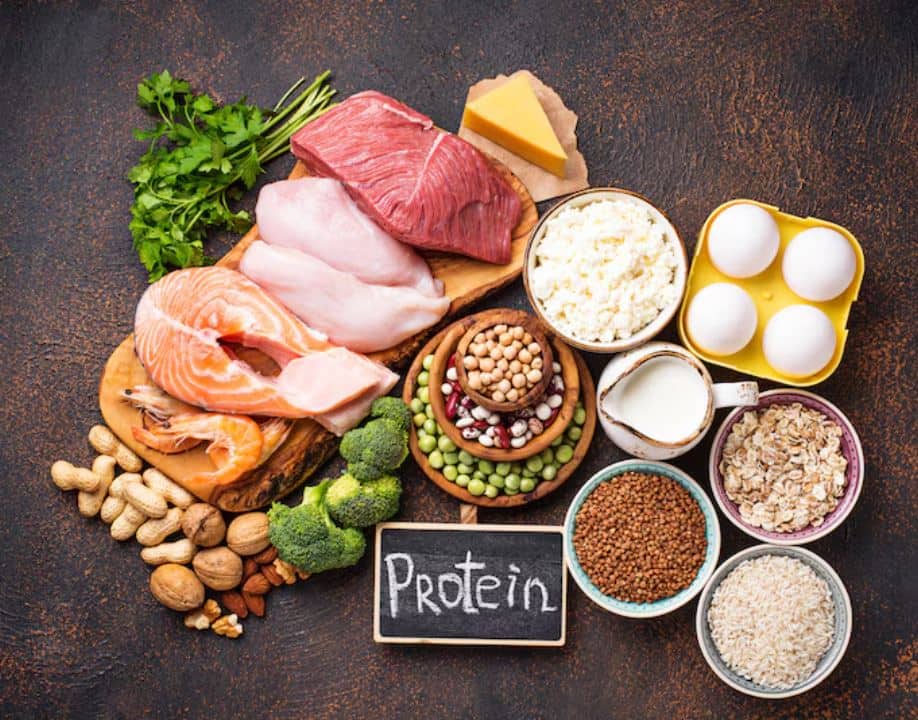
Healthy snacks like Greek yogurt, cottage cheese, boiled eggs, roasted chickpeas, paneer cubes, sprouts, or homemade protein smoothies can help women meet their daily targets without feeling overwhelmed.
Mix Plant & Animal Proteins for Complete Nutrition
Combining sources, such as lentils and dairy, nuts and legumes, or eggs and vegetables, ensures all essential amino acids are met. This is especially important for vegetarian women.
Add Protein Boosters to Everyday Meals
Small additions can make a big difference. Mix flax, chia, hemp, sunflower, or pumpkin seeds into smoothies, salads, soups, dals, rotis, or curd. These boosts improve protein quality and provide healthy fats, fiber, and micronutrients.
(This article is meant for informational purposes only and must not be considered a substitute for advice provided by qualified medical professionals. Always seek the advice of your doctor with any questions about a medical condition.)