
Your GP probably told you to “watch and wait.” That’s standard advice for small hernias, but here’s what they don’t mention—every time you cough, lift something, or strain on the toilet, you’re making that weak spot bigger. The tissue doesn’t regenerate. The gap only widens. Most Brisbane surgeons wish they saw patients earlier, before the hernia grows from the size of a grape to a tennis ball. Getting hernia surgery in Brisbane early isn’t about rushing into an operation. It’s about fixing it while it’s still straightforward.
The Sneaky Problem With Watchful Waiting
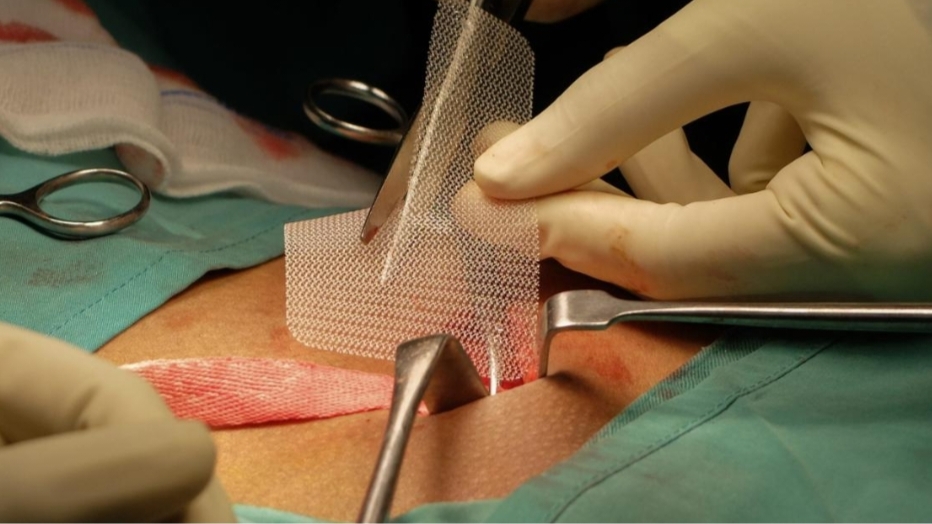
Doctors use “watchful waiting” for good reason—not every hernia needs immediate surgery. But patients misunderstand this as “it might get better.” It won’t. What actually happens is your abdominal muscles stretch and thin around the defect. Scar tissue forms. The contents of your abdomen get comfortable sitting in that bulge. When you finally get surgery, the repair becomes technically harder because there’s less healthy tissue to work with. Surgeons end up using larger mesh pieces and sometimes can’t close the muscle layers properly.
Why Mesh Type Actually Matters
Walk into any Brisbane surgical centre and they’ll tell you they use “the latest mesh.” What they don’t explain is there are massive differences between brands and materials. Heavyweight polypropylene mesh causes more inflammation and stiffness. Lightweight polyester mesh integrates better but costs more, so not every hospital stocks it. Some surgeons prefer partially absorbable mesh that leaves less foreign material long-term. Then there’s biological mesh made from pig or cow tissue—essential if you’ve got an infection or contamination during surgery. Your surgeon should be discussing these options, not just saying “we’ll use mesh.”
What Laparoscopic Really Means For Your Body
Everyone talks about smaller scars with keyhole surgery. That’s the least interesting part. The real advantage is that laparoscopic repairs let surgeons see your entire abdominal wall from inside. They’re checking for weak spots you don’t know about yet. They can see if you’ve got a lipoma (fatty lump) that might turn into a hernia later. The mesh gets placed behind your muscle layer where it can’t migrate or fold. Traditional open surgery puts mesh in front, where it sits between your muscle and skin. That positioning difference is why laparoscopic repairs have lower recurrence rates in certain hernia types.
The Recovery Timeline Nobody Explains Properly
Here’s what actually happens. Days one and two, you’re sore but manage with basic painkillers. Day three through five, you feel worse because that’s when inflammation peaks. Around day seven, you’ll attempt something ordinary like reaching into a high cupboard and get a sharp reminder that you’re not healed. Week two brings frustration—you feel well enough to do things but tire instantly. Week four, most people try to resume normal activities and discover their core strength is shot. Simple tasks like getting out of a low chair require strategy. Full core strength takes months to rebuild, not weeks.
How To Actually Choose A Surgeon
Check the Australian Hernia Society website. See if your surgeon is a member. Most general surgeons do some hernia repairs, but fellowship-trained hernia specialists exist who only do abdominal wall reconstruction. They’re the ones who fix the repairs that failed the first time. They know which patients need component separation techniques or biological mesh. They understand how to manage hernias in people who’ve had multiple previous surgeries. Ask your surgeon what percentage of their practice is hernias specifically. If they hesitate or give a vague answer, keep looking.
The Insurance Detail That Catches People
Private health funds have a thing called an “attestation period.” Even if you’ve held top hospital cover for years, some funds require you to sign a form saying you don’t have symptoms when you upgrade or switch. If you’ve already felt that bulge and then upgrade your cover, they can refuse to pay. The trap is people notice symptoms, delay getting it checked, upgrade their insurance, then try to claim. Funds investigate pre-existing conditions thoroughly. Better to maintain adequate cover before you need it or accept the public waiting list honestly.
Conclusion
Getting hernia surgery in Brisbane means understanding what you’re actually signing up for. The procedure itself is routine, but outcomes depend heavily on surgical skill, mesh selection, and your own health factors. Hernias enlarge over time and become more complex to repair. Brisbane offers surgeons with genuine subspecialty expertise, not just general surgeons who occasionally do repairs. The difference between an adequate result and an excellent one often comes down to those details nobody bothers explaining upfront.