
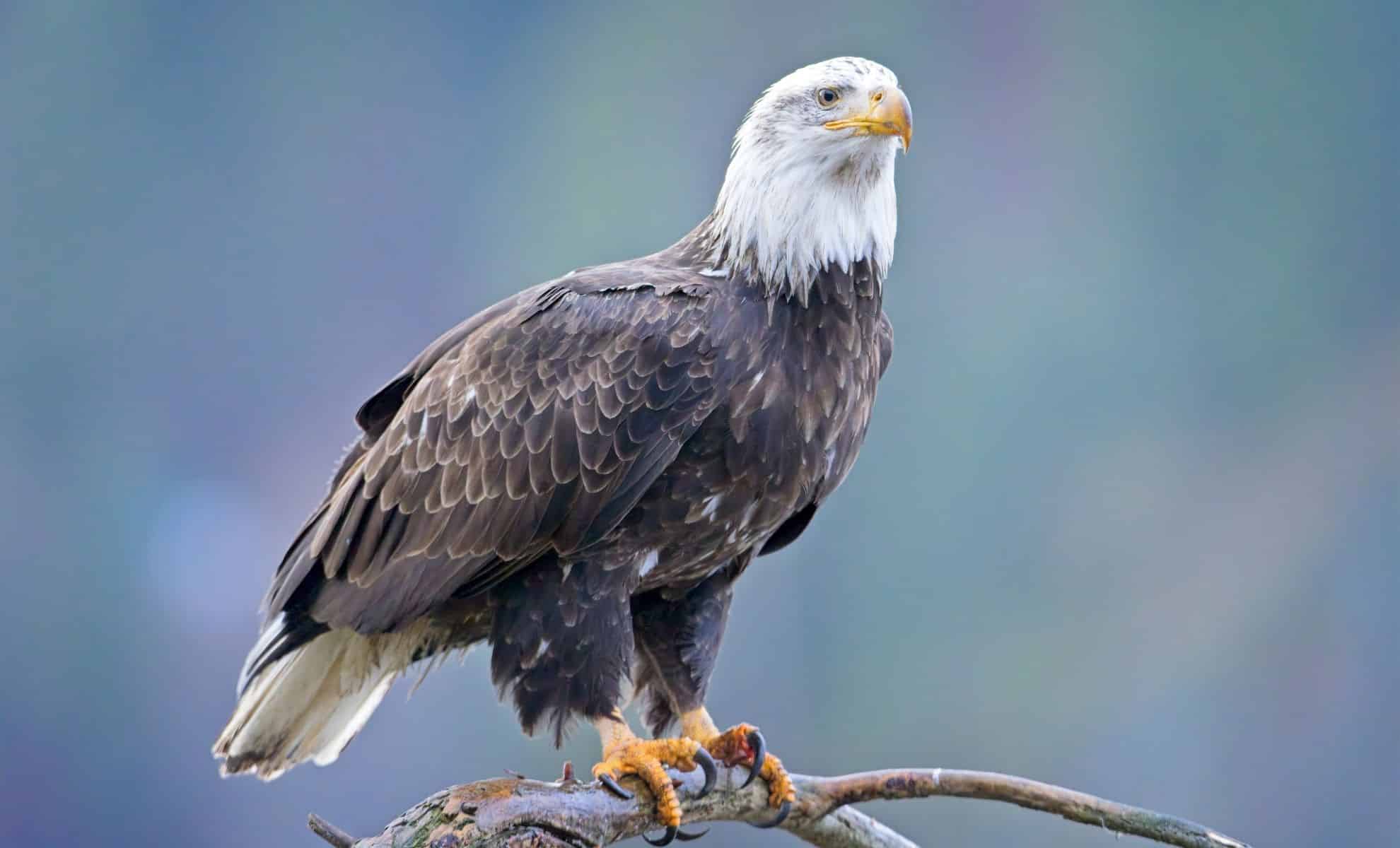
For years, researchers have been fascinated by the mysterious migration patterns of Bald Eagles, particularly those that don’t breed. A recent study, published in the Journal of Raptor Research, has shed new light on this enigmatic behavior, offering fresh insights into how nonbreeding Bald Eagles navigate their journeys. By tracking 24 young eagles and two nonbreeding adults over a period of six years, scientists have discovered new migratory routes and stopover locations, raising intriguing questions about the environmental forces influencing these movements and the potential risks these majestic birds encounter during their travels.
A New Look at Migration Patterns
Traditionally, migratory birds, including most raptors, are known for traveling southward to warmer climates during the nonbreeding season. But Arizona’s Bald Eagles take a different route. Instead of heading south, they migrate north after the breeding season, during spring and summer, returning south just before the breeding season starts in the fall. This northward migration brings them to regions like southern Canada and the northern U.S., with some birds traveling to California.
According to the study published in the Journal of Raptor Research, these eagles rely on two primary migration paths. One route passes through Utah and Idaho, while the other cuts through Nevada and western Idaho. The unusual direction of travel could be tied to seasonal food sources such as salmon, nesting waterfowl, and scavenged carcasses, which are more abundant in the northern parts of the continent.

Stopovers: Essential Resting Points
One of the study’s key findings is the critical role of stopover sites during the eagles’ migration. These eagles use several specific lakes and rivers as rest stops during their travels. The importance of these sites is not new, many of these same locations were identified in studies from the 1980s as vital for Bald Eagles. The research team found that these eagles, whether young or adult, frequently paused at the same places during their journey, reaffirming the value of these habitats for their survival.
For young eagles, migrating north provides access to abundant food sources that support their growth. As the eagles mature, their migration routes become more refined, but their dependence on these critical stopover areas remains. The use of these well-established locations highlights the need for protecting these habitats, especially as human activities and climate change continue to alter the landscape.
Migration Risks: Dangers Beyond the Skies
While the northward migration allows Bald Eagles to access valuable food sources, it also exposes them to several dangers. One eagle in the study traveled through 10 states and four Canadian provinces before eventually settling in northern California, only to be killed by electrocution at the age of four. Electrocution from power lines is a known hazard for large birds of prey, and the study’s lead author, Dr. Caroline D. Cappello, pointed out that such risks are particularly significant for young eagles, who are still learning how to navigate long journeys.
Other threats faced by migrating Bald Eagles include poisoning from lead and rodenticides, collisions with wind turbines, and the loss of habitat along migration routes. The study highlights the importance of reducing these risks through infrastructure modifications and conservation efforts, especially in areas where Bald Eagles are known to travel and stop over.
The Need for Targeted Conservation
The research suggests that understanding and protecting the migratory paths of Arizona’s Bald Eagles is essential for their long-term survival. Dr. Javan M. Bauder, coauthor of the study, emphasized the importance of tracking the movements of eagles at every life stage, including juveniles, to develop more targeted conservation strategies. Identifying key stopover locations and migration corridors could help guide efforts to protect these birds and ensure they have safe passage.
As more data is gathered, it is expected that conservation efforts will increasingly focus on protecting critical habitats and reducing the risks these eagles face during migration. The study also hints at a potential future trend: as Arizona’s Bald Eagle population continues to grow, more eagles may move outside of the state, further emphasizing the need for broad, coordinated conservation efforts across the U.S. and Canada.