
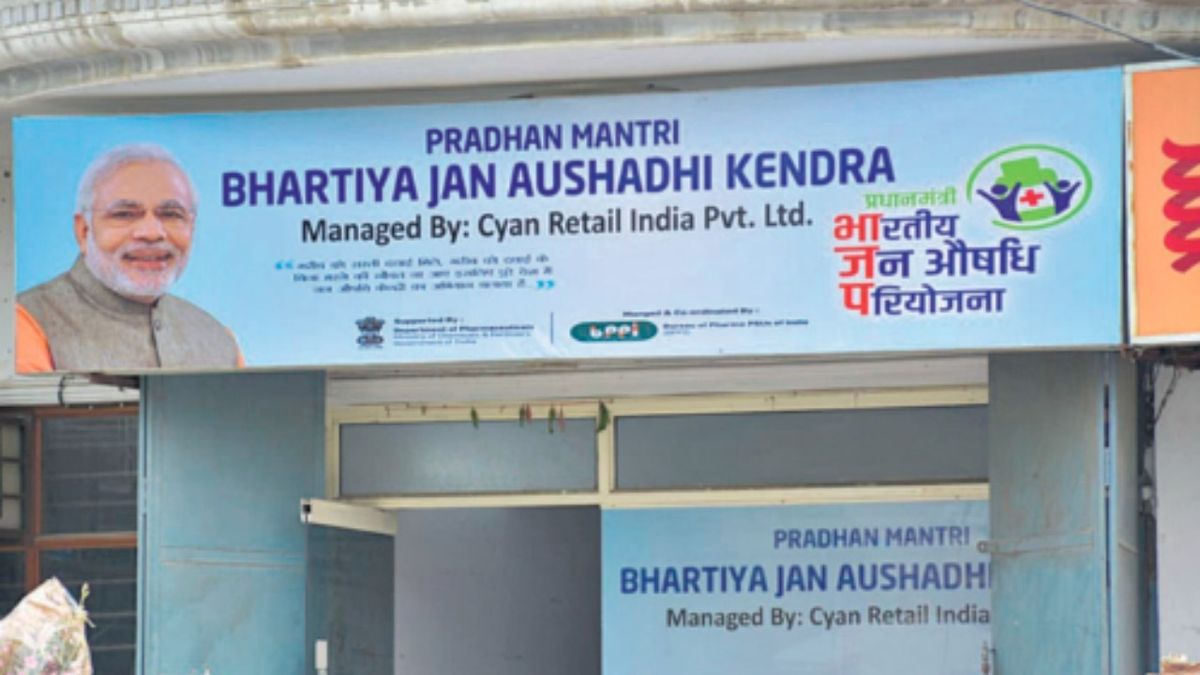
State govt to close Jan Aushadhi dispensaries in hospitals citing policy; patients fear losing 50% discounted medicines vital for middle-class families
The state government is weighing a controversial decision to shut down public dispensaries operating within government hospital premises, raising concerns among patients and citizens. These dispensaries, often run as Jan Aushadhi Kendras, have been providing medicines at nearly 50 percent discount, offering significant relief to middle-class families and those struggling with high healthcare costs.
Officials argue that the closure aligns with government policy, which prohibits doctors in state-run hospitals from prescribing branded medicines or directing patients to purchase drugs from outside sources. The policy aims to ensure that prescriptions are limited to medicines available within government facilities, thereby avoiding conflicts of interest and ensuring uniformity in treatment. In this context, the presence of Jan Aushadhi Kendras inside hospital campuses is seen as contradictory to the government’s stance.
While the move is intended to reinforce discipline in public healthcare, it has sparked criticism from patients who rely on these outlets for affordable medicines. Many point out that government hospitals typically provide only basic tablets, forcing patients to seek additional drugs elsewhere. For families unable to afford branded medicines costing thousands of rupees, the dispensaries have been a lifeline.
Also Read:Bengaluru ORR Revamp Gets Cabinet Approval: ₹307-Crore Upgrade Planned
Citizens argue that closing these centers will make it harder to access affordable medication, especially for chronic illnesses requiring long-term treatment. The dispensaries have been praised for easing financial burdens and ensuring wider access to essential drugs.
The debate has also fueled speculation about whether vested interests or a so-called ‘medical mafia’ may be influencing the decision. However, the government maintains that the closure is purely policy-driven and intended to protect patients from external prescriptions.
As discussions continue, the public remains divided — some supporting strict adherence to policy, while others call for preserving dispensaries that have proven beneficial to thousands.
Also Read: QR codes to simplify highway information for Bengaluru travelers