
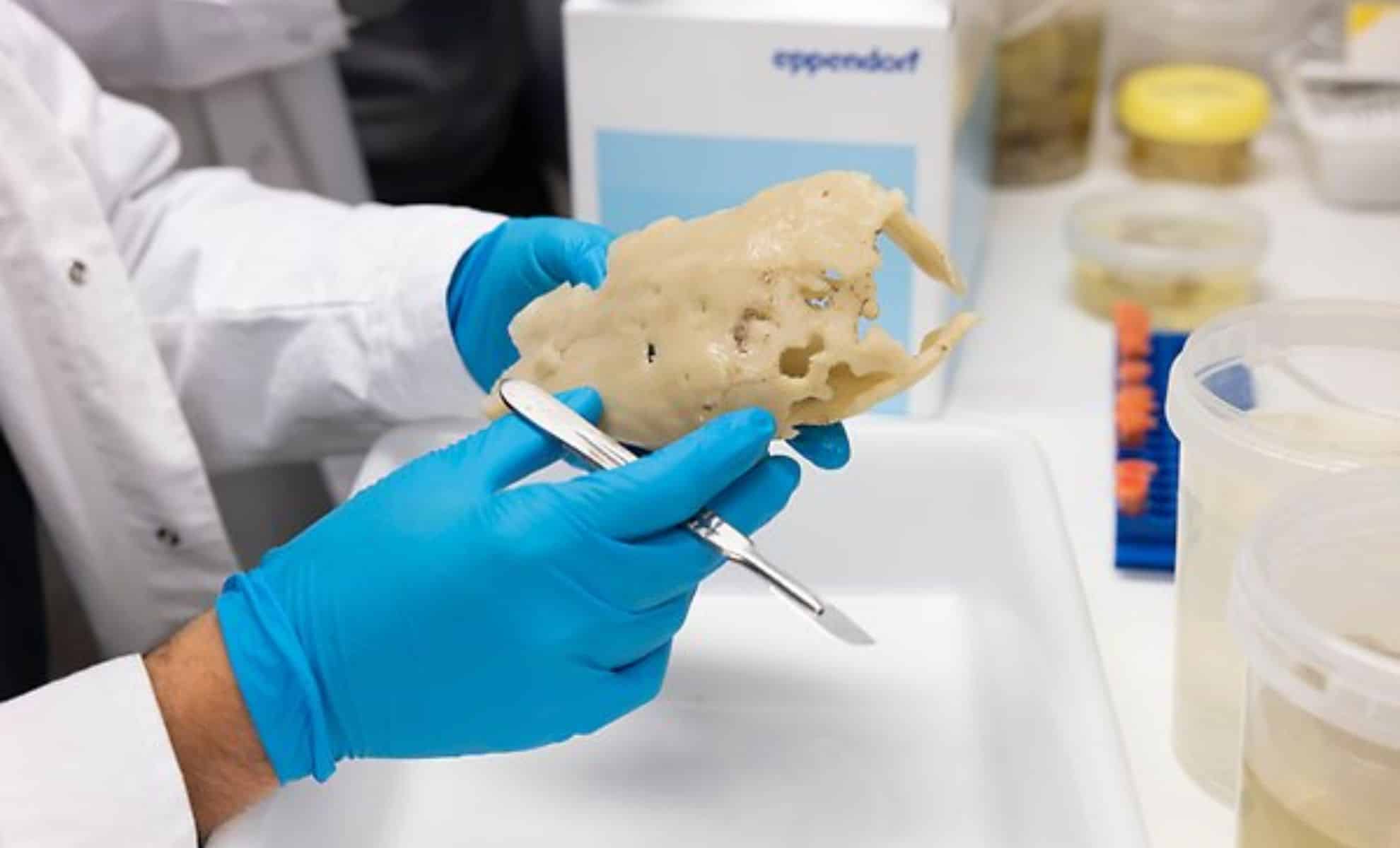
The new order of sponges, Vilesida, was uncovered after careful research into sponges from diverse marine environments. For decades, sponges have confounded biologists with their deceptive simplicity, and many species have lacked formal classification. In their latest study, published in the Zoological Journal of the Linnean Society, researchers present a unified view of sponges, using new molecular data to link several groups previously thought unrelated. The discovery offers a fresh perspective on sponge evolution and could also shed light on early animal life on Earth.
The Vilesida Discovery
Vilesida sponges were found in diverse ocean zones, ranging from Caribbean reefs to deep-sea habitats in the Mediterranean and Atlantic. Researchers, led by Julio Díaz at Uppsala University, used genetic markers and chemical profiling to distinguish these sponges from all other known groups. According to the study published in the Zoological Journal of the Linnean Society, these sponges exhibit unique features that indicate they diverged from other sponge groups over 150 million years ago, during the Mesozoic era. This timing pushes back the emergence of sponges, and, by extension, animals, by around 100 million years compared to previous estimates.
The sponges’ external appearance is not vastly different from their relatives, but their molecular characteristics reveal a different evolutionary path. “These lineages diverged in the Mesozoic – over 150 million years ago – fundamentally reshaping our understanding of sponge evolution and early animal history.” said Julio Díaz, the study’s lead author.

Unusual Sterols and Early Animal Life
What sets Vilesida apart is the unique sterols they produce. Sterols, compounds that help maintain cell membrane structure, are common in animals, but Vilesida sponges produce a rare form known as 24-isopropylcholesterols. These sterols were previously identified as ancient biomarkers in fossil records, specifically in rocks from the Ediacaran period, which date back over 600 million years.
According to Paco Cárdenas, a senior author of the study, this discovery further supports the hypothesis that sponges, and animals in general, emerged much earlier than originally believed. The sterols produced by Vilesida could push the emergence of animal life back by as much as 100 million years, challenging conventional timelines in evolutionary biology.
This new understanding of sterol chemistry in sponges adds to the growing body of evidence that ancient animal life may have appeared earlier than scientists had assumed, significantly altering our view of Earth’s early biological history.

Ecological Role and Potential for Pharmaceutical Research
Vilesida sponges are not only significant in terms of evolution but also in their ecological impact and potential for drug development. These sponges, like many others, play crucial roles in marine ecosystems by providing habitats for other marine species. Some of them grow into large, fan-like structures that provide shelter and support to surrounding reef life. Beyond their ecological importance, the sterols found in Vilesida sponges have garnered attention for their pharmaceutical potential. Previous studies have highlighted the antimicrobial, anticancer, and antiviral properties of these compounds.
Now that the Vilesida sponges have been formally classified and mapped, researchers expect that pharmaceutical companies will be able to more easily source these valuable compounds. “Our discovery can help chemists and pharmacists find these valuable substances more easily,” Cárdenas noted. While marine drug discovery continues to advance, Vilesida could become a vital source of new bioactive substances with medical applications.