
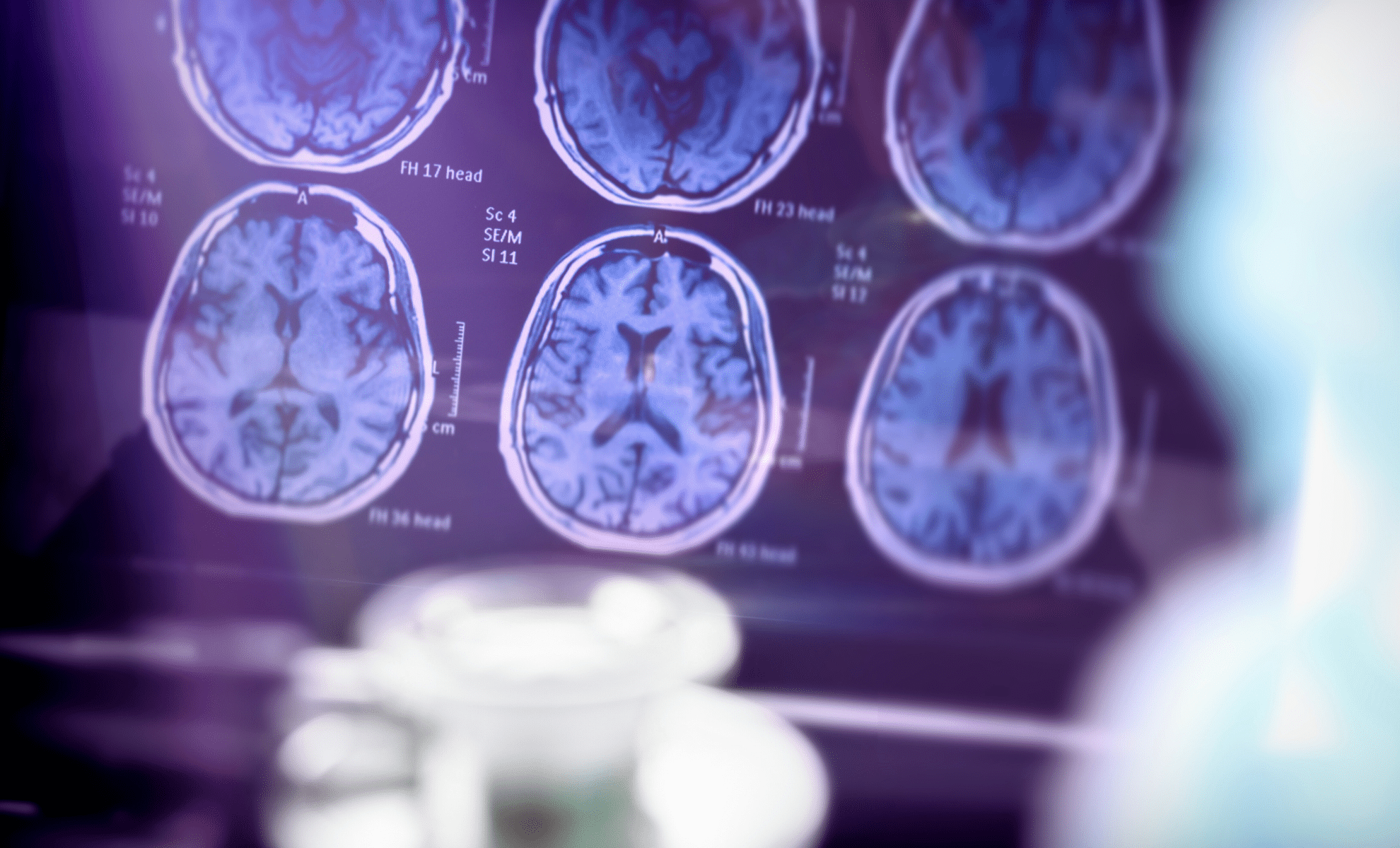
A new study has sparked hope in the fight against Alzheimer’s disease by demonstrating that the disease can be reversed, at least in mice. For years, Alzheimer’s has been viewed as a relentless and irreversible condition, but recent findings from researchers challenge this belief.
Restoring NAD+ Balance Could Change Alzheimer’s Treatment
Alzheimer’s disease has long been considered irreversible, with most research efforts focused on slowing its progression rather than reversing its effects. However, a team of scientists from University Hospitals, Case Western Reserve University, and the Louis Stokes Cleveland VA Medical Center, led by Dr. Andrew A. Pieper, has discovered that the key to fighting Alzheimer’s could lie in the brain’s energy balance. Central to this balance is NAD+ (nicotinamide adenine dinucleotide), a molecule critical for cellular energy and function.
As people age, NAD+ levels naturally decline, which impairs cellular function, especially in the brain. In the case of Alzheimer’s, this decline is even more pronounced.

Reversing Alzheimer’s: A Feasible Strategy or Hopeful Fantasy?
For decades, Alzheimer’s was believed to be an irreversible condition once it reached a certain point. The prevailing view in the scientific community held that once cognitive decline began, recovery was impossible. This new study, however, has upended that assumption. Using animal models with both amyloid and tau-related mutations, which mirror human Alzheimer’s pathology, the researchers showed that by restoring NAD+ balance, they could repair extensive brain damage and fully restore cognitive function.
“We were very excited and encouraged by our results,” said Dr. Pieper, the senior author of the study. “Restoring the brain’s energy balance achieved pathological and functional recovery in both lines of mice with advanced Alzheimer’s. Seeing this effect in two very different animal models, each driven by different genetic causes, strengthens the idea that restoring the brain’s NAD+ balance might help patients recover from Alzheimer’s.”
This discovery offers a new perspective, suggesting that Alzheimer’s therapy may not only be about slowing the disease’s progress but also potentially recovering lost brain function. If this strategy proves successful in humans, it could lead to a paradigm shift in Alzheimer’s treatment.
The Mechanism Behind Alzheimer’s Reversal: NAD+ and Brain Health
The study’s findings, published in Cell Reports Medicine, revolve around a critical molecule in the body: NAD+. This molecule plays an essential role in maintaining cellular function, particularly in the brain. NAD+ is involved in cellular metabolism, DNA repair, and overall cellular health. As we age, NAD+ levels decline, and this process accelerates in those with Alzheimer’s. The researchers found that the inability of the brain to maintain proper NAD+ levels is a major factor driving Alzheimer’s disease.
The study’s authors used a pharmacological compound, P7C3-A20, to restore NAD+ balance in the brains of Alzheimer’s mice. This compound did not just slow the disease’s progression; it reversed existing damage and restored cognitive abilities.
Beyond Alzheimer’s: What This Could Mean for Other Neurodegenerative Diseases
The implications of this discovery extend far beyond Alzheimer’s disease. Other age-related neurodegenerative diseases, such as Parkinson’s and Huntington’s, also involve a decline in brain function and cellular energy balance. The findings from this study suggest that restoring NAD+ balance could have a broader application for treating chronic, age-related neurodegenerative diseases.
Dr. Pieper emphasized the need for further research to explore this approach in other conditions. “This new therapeutic approach to recovery needs to be moved into carefully designed human clinical trials to determine whether the efficacy seen in animal models translates to human patients,” he explained. “Additional next steps for the laboratory research include pinpointing which aspects of brain energy balance are most important for recovery, identifying and evaluating complementary approaches to Alzheimer’s reversal, and investigating whether this recovery approach is also effective in other forms of chronic, age-related neurodegenerative disease.”
A Breakthrough for Alzheimer’s: Clinical Trials Are the Next Step
The promising results from this research have sparked a renewed sense of optimism in the fight against Alzheimer’s. However, Dr. Pieper and his colleagues caution that while these results are promising, they must be confirmed in human clinical trials before any potential treatments can be widely recommended. The team is actively working toward moving their findings from animal models to human trials.
The hope is that this research will lead to new therapies that not only slow Alzheimer’s progression but also offer a genuine chance of recovery.
“This is important when considering patient care, and clinicians should consider the possibility that therapeutic strategies aimed at restoring brain energy balance might offer a path to disease recovery,” said Dr. Pieper.
As this research progresses, it opens new avenues for Alzheimer’s treatment, offering fresh hope to patients and their families.