
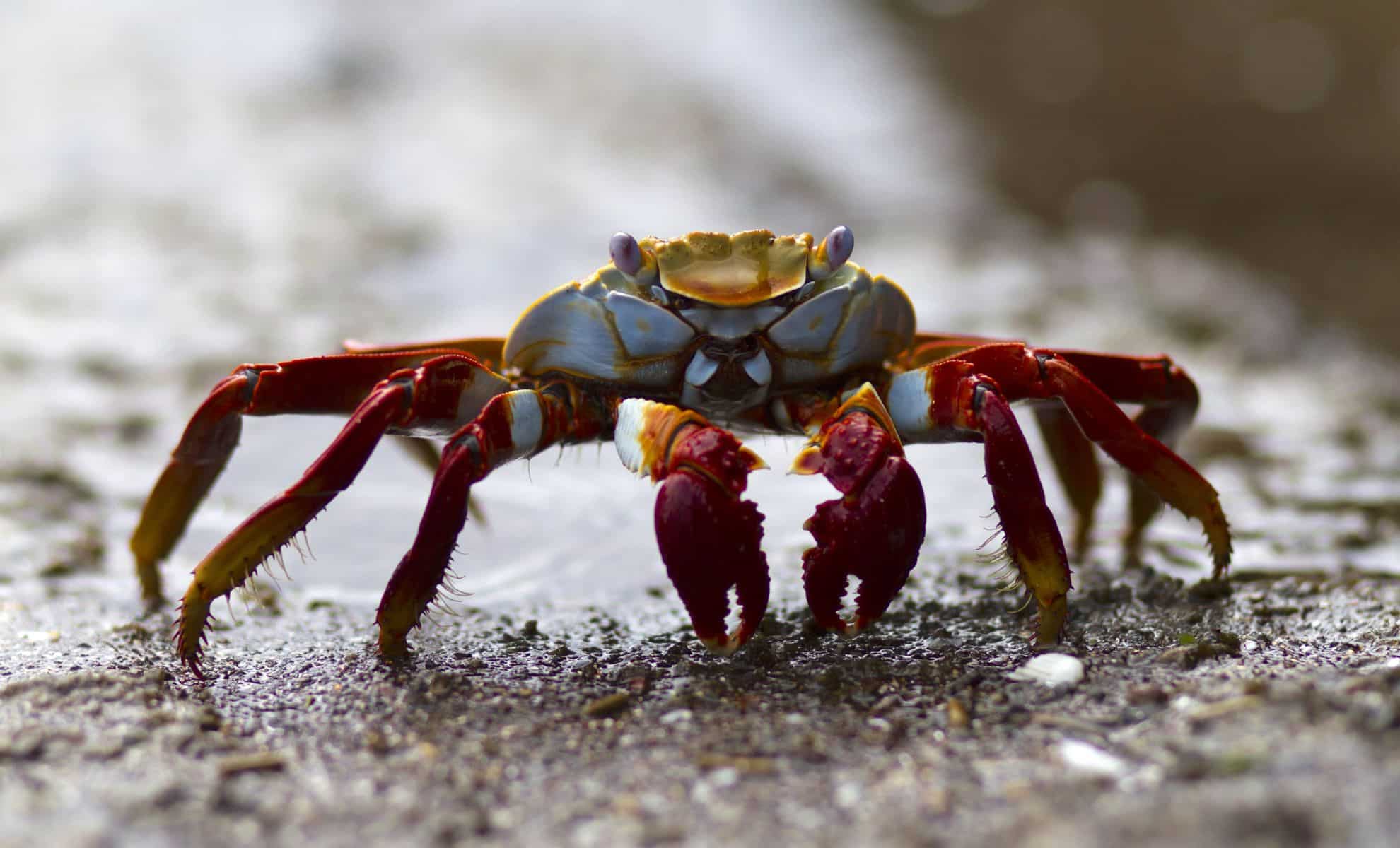
The concept of carcinization is part of a broader evolutionary process called convergent evolution, where unrelated species evolve similar traits independently. Crabs are perhaps the most famous example of this phenomenon, as their body structure has emerged repeatedly in different crustacean lineages. But while the shape may be familiar, the reasons behind this evolutionary quirk remain unclear.
The Process of Carcinization
Carcinization refers to the repeated, independent evolution of a crab-like body form in different groups of crustaceans. This process has happened at least five times in decapods, the group that includes crabs, lobsters, and shrimp. Despite these creatures looking remarkably similar, they belong to distinct evolutionary branches. The concept was first coined by English zoologist Lancelot Alexander Borradaile in 1916, who noted how crustaceans like hermit crabs and squat lobsters had evolved a body form resembling that of true crabs, even though they are not closely related.
According to a 2021 study published in BioEssays, researchers point out that while these animals are widely diverse, they have all adopted a common body plan: a flattened, rounded shell, and a tail tucked beneath the body. This body structure, which enables quick sideways movement, seems particularly successful in various environments, from rocky coasts to the deep sea.

Evolutionary Advantages of a Crab-Like Form
One of the reasons for carcinization may be that the crab-like body is particularly advantageous. According to evolutionary biologists, a flattened body with a tucked tail might offer significant defensive benefits. With less of the vulnerable flesh exposed, these creatures may be better at evading predators. The compact, rounded shape also aids in mobility. Crabs can scuttle sideways more efficiently than other crustaceans, allowing them to navigate crevices and avoid threats more effectively.
However, experts also acknowledge that there isn’t a single explanation for why crabs, in particular, are so successful. Evolution is full of surprises, and the crab body plan might not be the most efficient in every case, but it appears to offer a combination of traits that make it useful in many different habitats. As Joanna Wolfe, a research associate in organismic and evolutionary biology at Harvard University, suggests, the crab body plan might be flexible enough to allow for further adaptation, providing a blueprint for various specialized features. For example, crabs have developed legs specialized for digging or swimming, adaptations that have allowed them to thrive in diverse environments.

Evolution’s Flexibility and the Return to the Crab Shape
Carcinization showcases how evolution can be remarkably flexible. The crab-like form, despite being a relatively simple body plan, is adaptable enough to allow crustaceans to occupy various ecological niches. “Crabs are versatile,” says Javier Luque, a senior research associate at the University of Cambridge. This versatility allows crabs to move into areas that other crustaceans cannot, such as burrowing under sediment or paddling through water.
It’s also important to note that the crab shape is not always an evolutionary “win” for all crustaceans. In fact, the crab body plan has been lost several times over the course of evolutionary history, a process known as decarcinization. Some species, like the hermit crab, have diverged away from the crab-like form to adapt to specific lifestyles. Yet, the fact that so many crustaceans keep returning to a similar crab-like shape underlines its evolutionary potential.
Ultimately, the repeated appearance of crab-like creatures across different species suggests that evolution is highly dynamic and opportunistic, constantly finding new solutions to survival challenges. Whether through defensive advantages, improved mobility, or a combination of traits, the crab form has proven to be a resilient and successful model across the animal kingdom.
The repetitive evolution of the crab-like body plan in various crustacean species offers a fascinating glimpse into the adaptability of life. Carcinization is a prime example of convergent evolution, where different species independently develop similar traits to thrive in their environments. While scientists continue to unravel the exact reasons behind this, it’s clear that crabs, with their versatile and adaptive form, are evolutionary champions in their own right.