
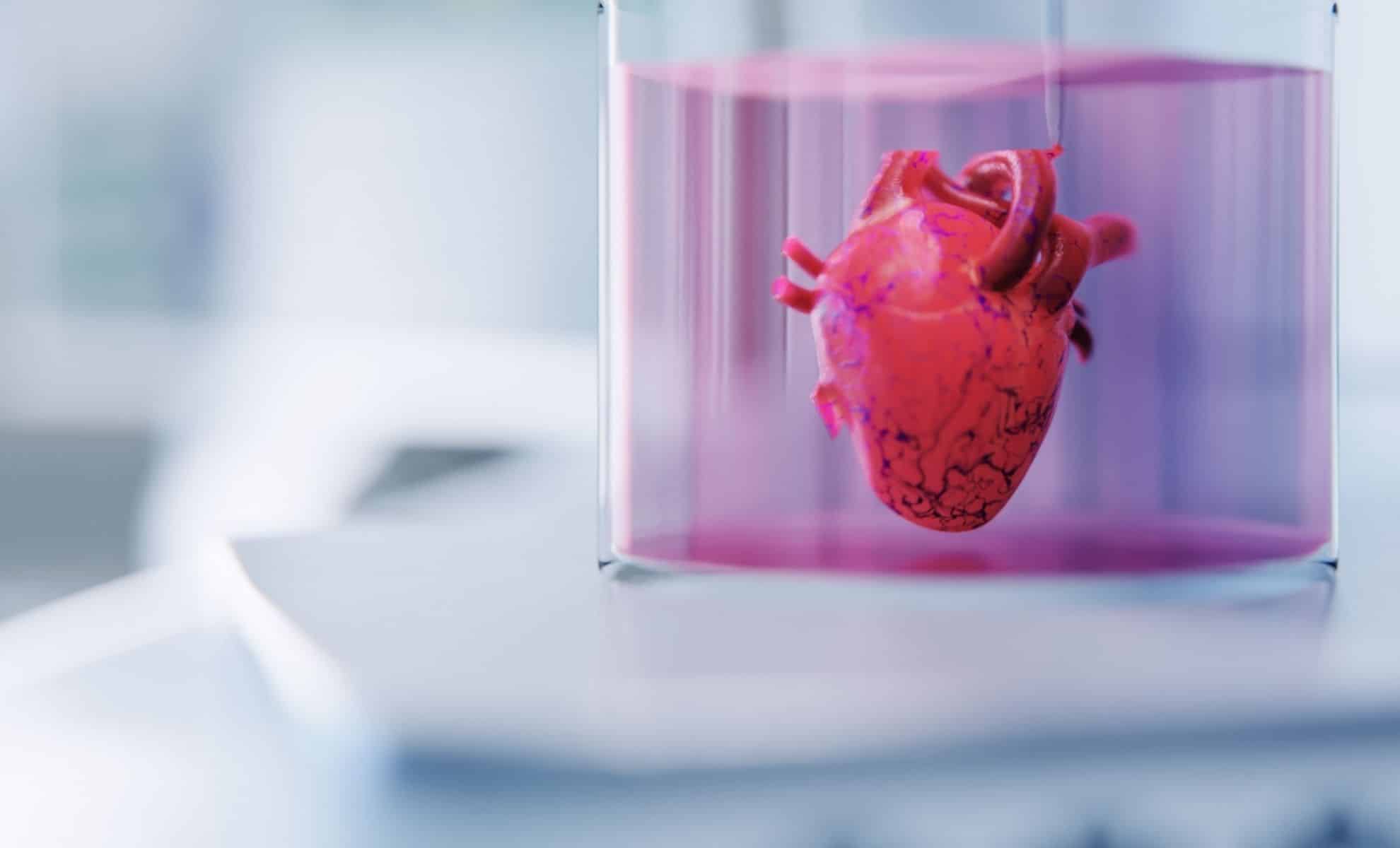
The U.S. alone has over 100,000 people waiting for organ transplants, a demand that continues to outstrip supply. To address this shortage, scientists have turned to animal-human chimeras, specifically the creation of genetically modified animals that can grow human organs.
Recent studies have made progress by bypassing immune system barriers in animals, paving the way for this revolutionary technique to become a viable solution. As these experiments advance, however, they spark ongoing debates about the ethics of creating creatures with mixed species cells.
The Rise of Animal-Human Chimeras
Creating chimeras is not entirely new. The term “chimera” originally referred to mythological creatures, but in modern science, it describes organisms that contain cells from different species. In the case of human-animal chimeras, scientists have been exploring ways to grow human-compatible organs inside animals, like pigs or mice. The goal is to use these animals as “bioreactors” to produce organs for transplant into humans.
According to a study published in the journal Cell, the key challenge in these experiments has been overcoming the animal’s immune system, which can reject human cells. To address this, a team of researchers from UT Southwestern in Texas has identified a specific protein in mouse cells, named MAVS, which plays a central role in immune rejection.
By disabling this protein, they have found a way to suppress the immune system’s defenses, allowing human cells to survive and integrate more effectively into the developing chimera, reports Popular Mechanics.

The Ethical Debate
As the science behind animal-human chimeras advances, so too do concerns over ethics. Many animal rights groups and bioethicists argue that creating genetically modified animals with human cells raises significant moral issues. In particular, they question whether it’s acceptable to alter the genetic makeup of an animal in such a profound way and whether these animals might develop human-like traits.
Despite these concerns, research into xenotransplantation—the practice of transplanting genetically modified animal organs into humans—has already begun to yield results. In March 2024, Massachusetts General Hospital successfully transplanted a genetically edited pig kidney into a human, marking a historic moment in medical science.
This xenotransplantation is part of an effort to alleviate the shortage of donor organs. With more clinical trials underway, it’s clear that the use of animal organs could become a key part of future organ transplant strategies, even as debates over animal welfare continue to intensify.
A New Approach to Organ Shortages
The global shortage of organs for transplant is a growing crisis, with over 100,000 people currently on the transplant list in the U.S. alone. Scientists are racing to find solutions, and animal-human chimeras may offer a breakthrough. By growing human-compatible organs inside animals, researchers hope to meet the demand for organs, saving countless lives. However, these advances must be weighed against the ethical implications of such technology.
While animal-human chimeras may provide a way to grow human organs more efficiently, the process is still fraught with technical challenges. Research continues to refine methods for overcoming immune system barriers and ensuring the safety and efficacy of xenotransplantation. But with the stakes so high—hundreds of thousands of people on waiting lists and limited donor organs—the search for alternatives is intensifying.