
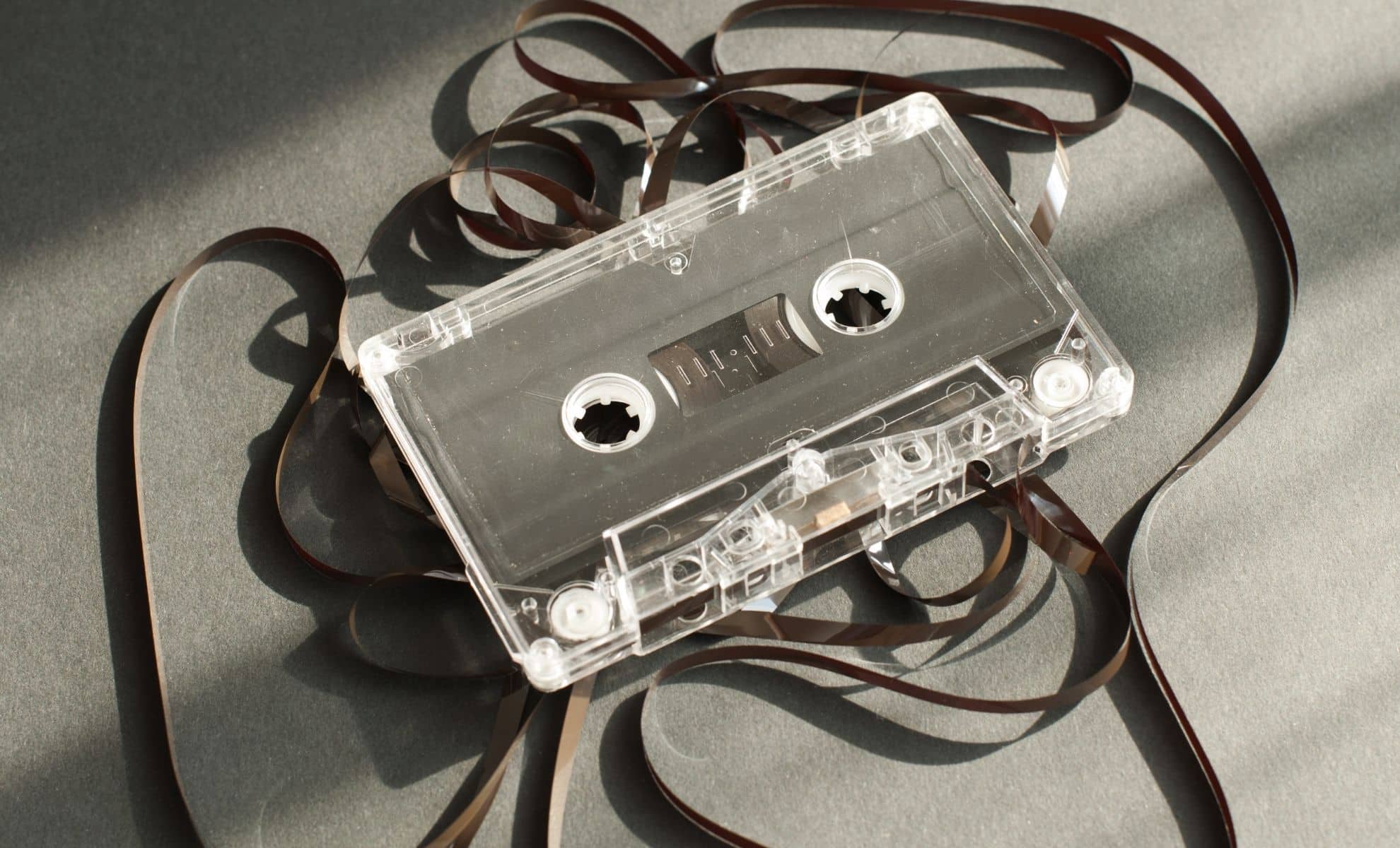
This “DNA cassette” holds an astonishing 36 petabytes of information, enough to contain more than three billion songs. Researchers see this innovation as a potential game-changer in the world of digital archiving, where the growth of data has become a pressing concern.
The project, led by Xingyu Jiang at the Southern University of Science and Technology in Shenzhen (SUST), represents a significant leap in the field of molecular storage. The DNA cassette, made of flexible plastic film coated with synthetic DNA, can store data in a way that mirrors how computers typically use binary code. By converting digital information into DNA sequences—represented by the four genetic bases, A, T, C, and G—the system essentially turns biological molecules into high-density storage units.
A Leap in Data Storage Technology
As the world generates more data than ever, the need for efficient, long-lasting storage solutions is intensifying. According to Earth.com, global digital data usage continues to skyrocket as more people engage in activities like online streaming and cloud storage.
By 2025, the total volume of stored data is projected to reach 175 trillion gigabytes. Current methods of data storage, primarily through large data centers, consume vast amounts of electricity—about 4.4% of all energy in the United States. This new DNA-based cassette, however, offers a potential solution to the problem of data overload.

What makes this DNA cassette so promising is the incredible density of data that DNA can theoretically store. A single gram of DNA can hold up to 455 exabytes—roughly a billion gigabytes. This means that a small, practically invisible amount of DNA could contain more data than all of the world’s current data storage systems combined. The DNA tape could provide an ultra-compact, energy-efficient way to preserve and archive vast amounts of information for centuries.
The Mechanics Behind the DNA Tape
The DNA cassette works by encoding digital files into short synthetic DNA strands, which are then printed onto a flexible plastic film. These strands replace the typical binary code used by computers. The film is rolled into a tape that can move smoothly between reels, with each section of the tape containing small blocks of DNA. Optical scanners read the tape, selecting the right DNA sequence to retrieve data. According to the research team, the system can locate around 1,570 files per second along the moving tape.

Each file is stored in a separate partition along the tape, and a chemical base solution allows DNA strands to be read and rewritten. This system even has the ability to erase and replace data using enzymes. In tests, the researchers were able to retrieve the same file multiple times without any loss of information, showing the durability and reliability of the DNA storage method.
Preserving Data for Centuries
One of the most intriguing aspects of DNA-based storage is its long-lasting nature. Research suggests that DNA can survive for centuries without significant degradation, especially when preserved under the right conditions.

The scientists working on the DNA cassette coated the partitions with a crystal shell made from a metal-organic framework, which protects the DNA from moisture and enzymes. Tests showed that the DNA could remain readable for over 300 years at room temperature, and in cooler environments, it could last for tens of thousands of years.
This ability to preserve data for such extended periods makes DNA an ideal material for archival purposes. For example, historical records, sensitive digital files, and other forms of data could be stored safely in DNA, ensuring that even in the distant future, future generations could access this information. The potential of DNA storage to outlast traditional digital media is one of the reasons researchers are excited about its future applications.
Challenges and Future Prospects
Despite the promising potential of DNA storage, the technology still faces significant challenges. As of now, the process is far slower than traditional digital storage. Writing data to the tape and reading it back can take several minutes for relatively small files. Additionally, the costs associated with synthesizing and sequencing DNA remain high, making large-scale use of this technology impractical at the moment.
However, the researchers believe that as biotechnology advances, the costs of producing DNA strands will drop, and new methods will speed up the data retrieval process. The DNA cassette is still a laboratory prototype, but it paves the way for a future where molecular storage could become a standard method for archiving digital data.