
New DelhiDecember 10, 2025 09:12 PM IST
First published on: Dec 10, 2025 at 09:12 PM IST
The meetings of the three-member selection committees headed by Prime Minister Narendra Modi to choose the next Chief Information Commissioner (CIC) and Information Commissioners (ICs), and a Vigilance Commissioner saw Leader of Opposition Rahul Gandhi on Wednesday flag the lack of names in the shortlists from the Scheduled Caste, Scheduled Tribe (ST), Other Backward Classes (OBCs), Extremely Backward Classes (EBCs), and minority communities. Gandhi, the lone Opposition nominee in both panels, registered his dissent.
Sources said that after Gandhi pointed to a “systematic pattern” of “exclusion” of the backward and minority communities in appointments to Constitutional and autonomous institutions, Modi and Shah agreed to consider a few appointments from the limited applicant pool.


It is learnt that several weeks ago, Gandhi had asked the government to provide him with the caste composition of the applicants, but the details were provided to him only on Wednesday. Sources said only 7% of the applicants and one shortlisted candidate were from the backward communities. Gandhi flagged this at the meetings and submitted detailed dissent notes.
The LoP, it is learnt, argued that the government was weakening the Right to Information (RTI) Act, claiming that some of the shortlisted candidates had a record of not being transparent in their previous roles.
The PM-headed selection panel for picking the CIC and ICs has as members the Lok Sabha LoP and a Union Cabinet Minister whom the PM nominates; in this case, Union Home Minister Amit Shah. The meetings were held to pick the CIC, eight ICs, and a Vigilance Commissioner.
Story continues below this ad
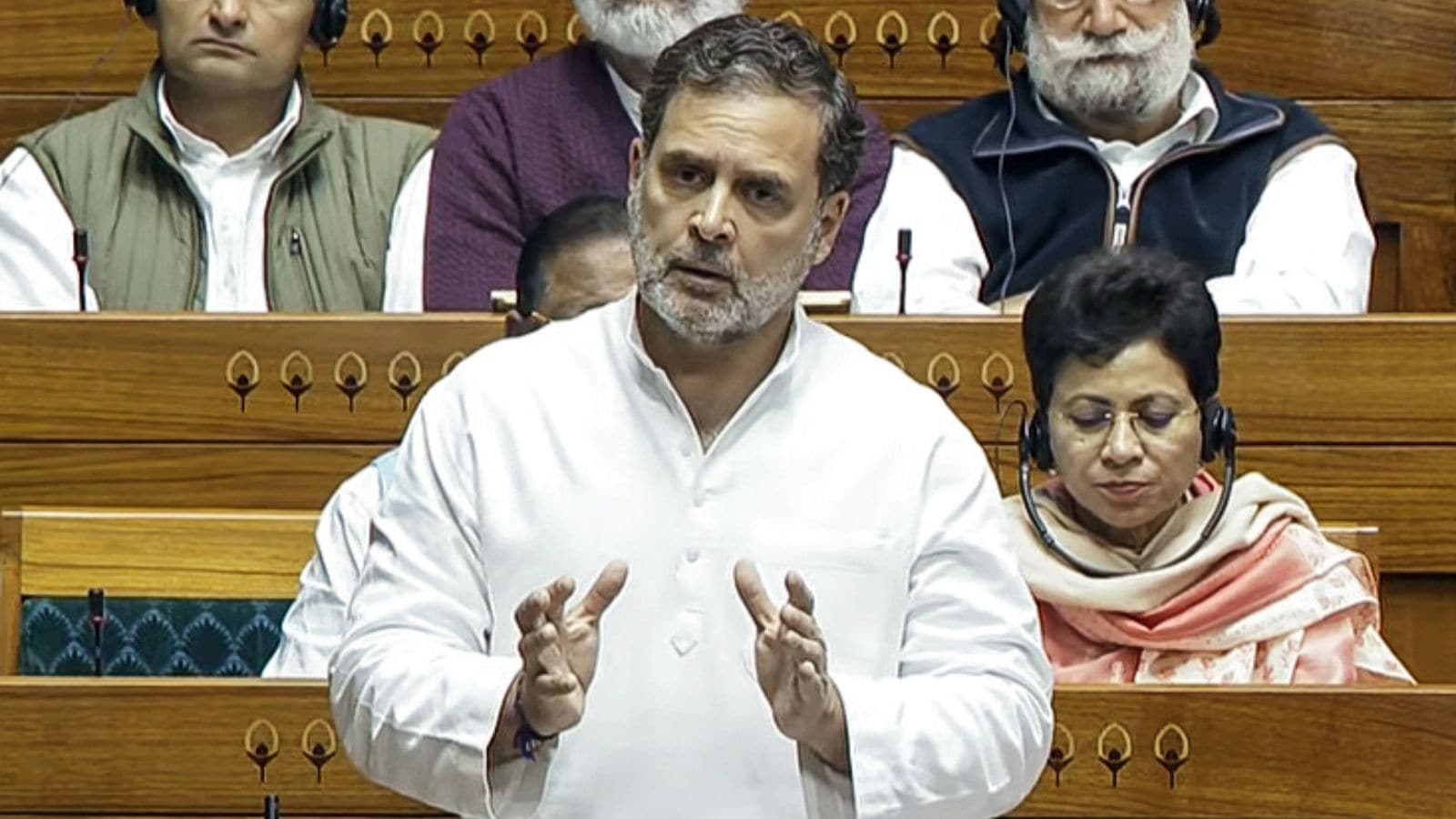
The meetings came a day after Gandhi told the Lok Sabha that he, as the Opposition nominee, had “no voice” in meetings of such panels. He was talking in the context of the selection of the Chief Election Commissioner and Election Commissioners, which, like the CIC and CVC selection panels, has the PM, the LoP in the Lok Sabha, and a Union Cabinet minister nominated by the PM as members.
“I sit in that room. It is a so-called democratic decision. On one side, PM Modi and Amit Shah and on the other side, the LoP. I have no voice in that room. What they decide is what happens,” Gandhi told the Lower House Tuesday.
The post of CIC has been lying vacant since September 13, when incumbent Heerala Samariya, a Dalit, demitted office after turning 65. The eight IC posts, too, have been lying vacant for some years. The Commission, which can have up to 10 ICs, now has only two.

This is not the first time the Opposition has disagreed with the government on the appointment of the CIC. The appointment of Samariya in 2023 had triggered a row with Adhir Ranjan Chowdhury, the Opposition member in the PM-headed high-powered selection committee at the time, claiming that the government neither consulted nor informed him about his selection.
In 2020, Chowdhury had, in the meeting of the selection panel, opposed the appointment of former IFS officer and Information Commissioner Yashvardhan Kumar Sinha as the CIC and journalist Uday Mahurkar as an IC. Sinha and Mahurkar were appointed despite objections by Chowdhury in a dissent note he had given.