
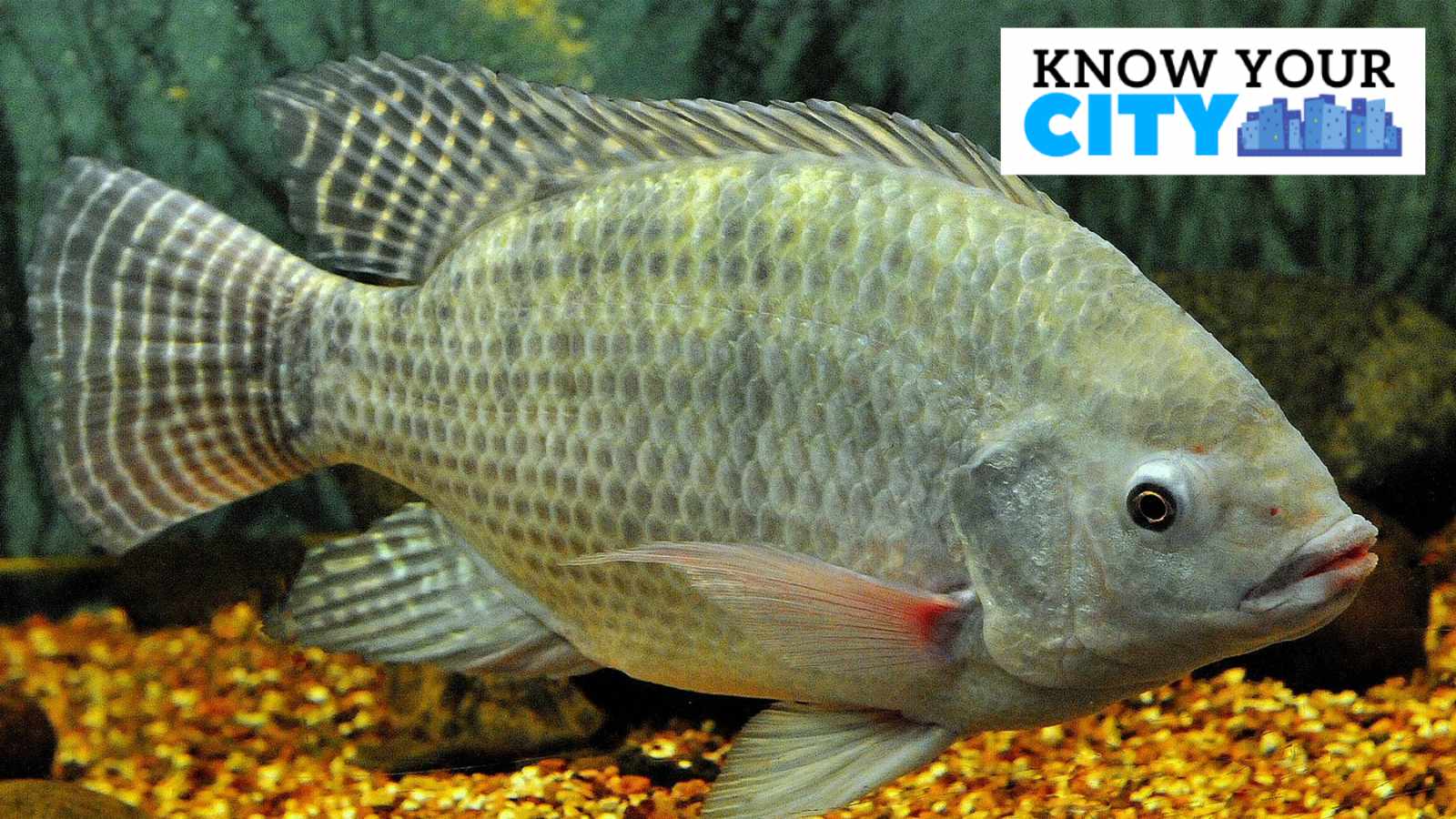
In yet another alarming incident, hundreds of fish and many birds died recently following suspected water contamination in Bengaluru’s Doddagubbi Lake. This raises important questions: which creatures are most affected by these ecological threats? Are the same species that lived there 50 years ago still present, or are invasive species now taking hold in these lakes?
According to Dr S Subramanya, a retired professor from the University of Agricultural Sciences, GKVK, Bengaluru, the lakes of the city, once a hub of unique ecosystems, were man-made water-harvesting structures created centuries ago by villagers.

The local residents built a raised bund across low-lying areas or natural streams to retain monsoon runoff. These lakes featured sloping lakebeds, with the deepest areas near the bund. Different aquatic plants grew in various depths, which, in turn, attracted different species of birds that preferred specific zones of the lake, creating a space for diverse ecosystems.
Story continues below this ad
Dr Subramanya notes, “Before the 1990s, these lakes used to get inundated during monsoon and go dry by the middle of summer. This built an ecology very specific to these lakes”.
In this context, he raises concerns that dredging lakes to a uniform depth—creating a “soup-bowl” shape—and continuously filling them with wastewater has damaged the biodiversity these water bodies once supported. Such interventions permanently alter the lakes’ natural structure and ecology. He also points out that the rise of commercial fishing has led to the introduction of commercially valuable fish species instead of native ones, further disrupting the lake ecosystem. The commercial species, like tilapia, also outcompete the native species, which have not evolved with such competition or predation in their native habitat.
Story continues below this ad
Aquatic vegetation that once thrived in lakes
Historically, four types of aquatic vegetation thrived in these lakes: submerged, emergent, free-floating, and anchored-floating. Some floating plants included Eichhornia, Ludwigia, Marsilia, Salvinia, Azolla, and duckweed, while the emergent vegetation featured species such as Typha, Scirpus, Cyperus, Polygonum, and Ipomoea. These plants once provided shelter for breeding waterbirds when they formed dense patches. Among the anchored-floating plants were species from the lotus and lily families, while other plants were found along the shores. However, in many of these once-diverse plant ecosystems, water hyacinth has taken over, displacing the traditional aquatic vegetation in the lakes. Water hyacinth, an invasive species, thrives on the high nutrients released into the water from sources such as sewage. It covers the surface of water bodies, preventing sunlight from penetrating the water, and interferes with oxygen exchange, affecting aquatic life.
Invasive species in Bengaluru lakes
A 2022 study by the Indian Institute of Science (IISC) revealed a range of invasive species—including tilapia, which has long been invasive across the country due to its ease of rearing in aquaculture — and African catfish in the city’s waterbodies. The catfish variety is often more resilient to poor water conditions than local species, and is also highly predatory.
To complicate matters, species such as the walking catfish, known for its high survival and reproductive ability, is widely seen in Bengaluru lakes. Walking catfish, known to consume the food supplies of native fish and prey on their young, can also wiggle from one lake to another without human intervention.
Story continues below this ad
The mosquitofish has also been found in these waters. While they are commonly introduced to control mosquito larvae, mosquitofish reproduce rapidly in water bodies as they are relatives of guppies, further competing with native species.
Conservationist and biologist Naren Sreenivasan highlights that the problem of invasive species around Bengaluru is not limited to the lakes. For instance, tilapia, a highly resilient and pollution-tolerant cichlid fish, is a major invader in the Cauvery and other waterways, hampering the native biodiversity. For example, important species such as the humpback mahseer are becoming increasingly endangered in Karnataka’s rivers owing to multiple reasons.
While some Indian fish species, like snakeheads (fish in the genus Channa), have adaptations that allow them to tolerate low-oxygen water, Sreenivasan notes another threat. He says these species, found in Bengaluru lakes, are targeted during breeding. The parental care exhibited by these fish makes it easy for fishermen to catch the parents of a brood of juveniles.
Story continues below this ad
However, experts say these ecosystems may simply cease to exist if ongoing pollution and development continue to threaten Bengaluru’s water bodies.