
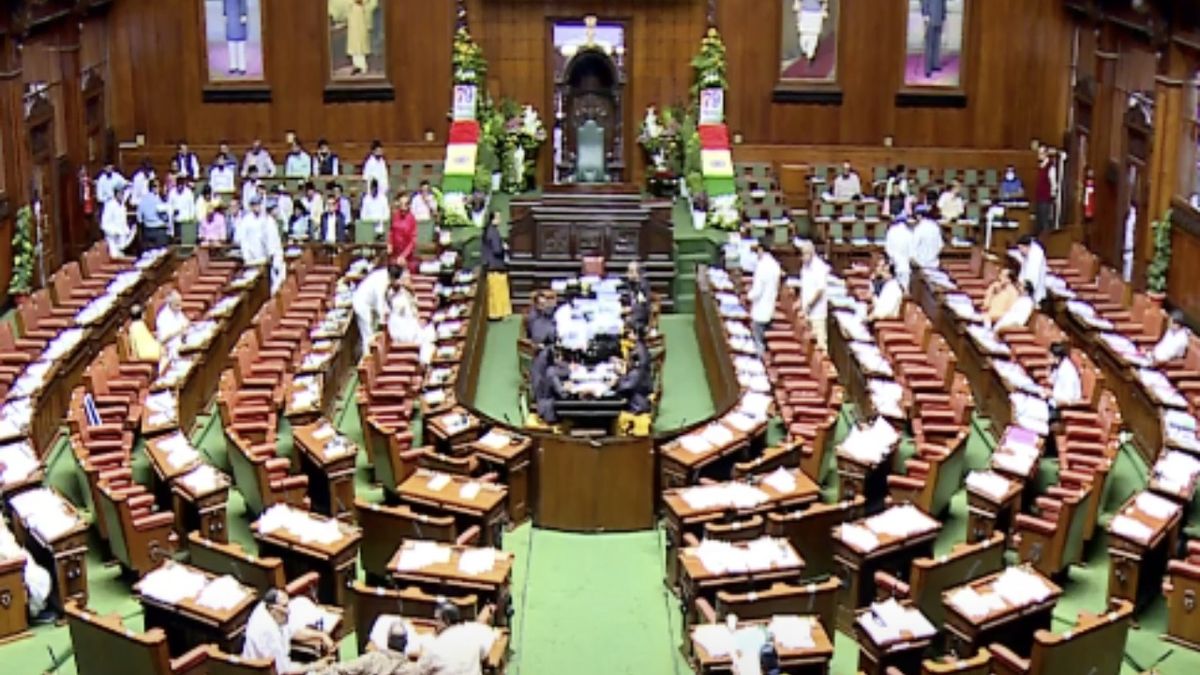
Karnataka Assembly passed a Bill criminalising social boycott, enabling suo motu police action with up to 3 years’ jail and ₹1 lakh fine for offenders
The Karnataka Assembly has unanimously passed the Karnataka Social Boycott (Prevention, Prohibition and Redressal) Bill, making ostracization a criminal offence. The legislation empowers police to register cases suo motu against instances of social boycott, while also holding officials accountable if they fail to act on complaints, treating such inaction as dereliction of duty.
The Bill was piloted by Social Welfare Minister Dr. H.C. Mahadevappa, who highlighted the historical impact of social exclusion, noting that even Constitution architect B.R. Ambedkar had faced discrimination during his school years. He emphasised that social boycotts undermine constitutional principles and basic human rights.
Lawmakers across party lines supported the measure. Senior BJP member S. Suresh Kumar observed that while Karnataka does not have Khap Panchayats like Haryana, social boycotts stem from entrenched mindsets that laws alone may not fully address. Former Home Minister Araga Jnanendra also welcomed the move, stressing that such legislation should have been introduced much earlier.
Also Read: Curtain call for Urvashi Theatre: Bengaluru loses one of its last single-screen icons
Congress leader T.B. Jayachandra suggested incorporating a provision allowing police to initiate cases without waiting for formal complaints. This recommendation was accepted, and the Bill was amended accordingly before passage.
The legislation prescribes penalties of up to three years’ imprisonment and fines reaching ₹1 lakh for individuals who impose or facilitate social boycotts. It identifies 19 forms of boycott, including refusal to conduct business, denial of opportunities, obstruction from participating in social or cultural events, blocking access to public facilities, and severing social ties.
The passage of the Bill marks a significant step in safeguarding individual rights and ensuring equal participation in social and economic life across Karnataka.
Also Read: No more stopping at toll plazas: MLFF system to go live nationwide by end of 2026