
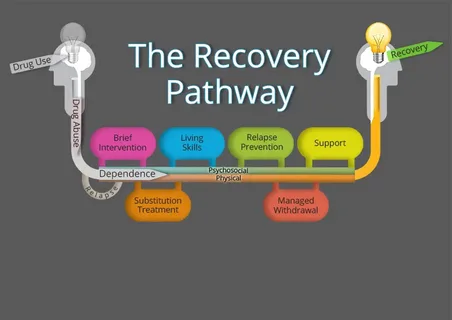
Survivors of abuse often face numerous barriers when seeking timely and professional support. Many are hesitant to reach out due to fear, stigma, or limited access to in-person services. Fortunately, modern solutions such as Online Abuse Recovery Programs provide a safe, confidential, and accessible path to healing. These programs combine professional therapy, trauma-informed care, and practical guidance to help survivors navigate recovery from the privacy and safety of their own homes.
Online abuse recovery programs offer structured interventions that empower individuals to regain control over their lives. By integrating licensed clinicians with secure virtual platforms, these programs ensure that survivors can receive effective, personalized support while maintaining safety and confidentiality. The accessibility of online recovery programs is particularly critical for individuals in remote areas or those with mobility or scheduling limitations.
Understanding Online Abuse Recovery Programs
Online abuse recovery programs are designed to address the complex emotional, psychological, and behavioral impacts of abuse. Licensed therapists provide trauma-informed counseling, coping strategies, and guidance for rebuilding self-esteem and autonomy. These programs often include one-on-one therapy, virtual support groups, and safety planning tailored to individual circumstances.
This form of care allows survivors to engage in therapy without fear of being monitored by an abuser or exposing their situation publicly. The digital environment provides comfort and control, helping individuals engage more openly and effectively in their recovery journey.
Benefits of Online Abuse Recovery Programs
Engaging in online abuse recovery programs provides numerous advantages for survivors:
- Accessibility: Support is available regardless of geographic location, making therapy feasible for individuals in rural or underserved areas.
- Confidentiality: Sessions are conducted securely, ensuring privacy and reducing fear of exposure.
- Flexibility: Virtual programs allow survivors to schedule appointments around personal commitments and safety considerations.
- Immediate Support: Many programs provide timely access to crisis interventions and guidance for urgent situations.
- Consistency: Online delivery ensures ongoing support, helping survivors maintain progress despite life changes or relocation.
Evidence-Based Approaches in Online Abuse Recovery Programs
Licensed clinicians utilize evidence-based therapeutic techniques to address the emotional and psychological effects of abuse. These methods are tailored to each survivor’s unique experiences, promoting healing, resilience, and empowerment.
Trauma-Informed Counseling
Trauma-informed counseling creates a safe and supportive environment where survivors can process their experiences without judgment. Therapists help clients develop coping strategies, manage triggers, and work through trauma-related anxiety and depression. Techniques such as grounding exercises, mindfulness, and psychoeducation are commonly integrated into these programs.
Cognitive Behavioral Therapy (CBT)
CBT helps survivors identify and challenge negative thought patterns stemming from abuse. By addressing maladaptive beliefs and behaviors, clients develop healthier coping strategies, improve emotional regulation, and build confidence in their ability to manage stress and interpersonal challenges.
Safety Planning and Empowerment
A central component of online abuse recovery programs involves safety planning and personal empowerment. Clinicians work with survivors to develop individualized safety strategies, connect with essential resources, and make informed decisions about their wellbeing. Empowerment-focused approaches foster autonomy, resilience, and confidence, allowing individuals to regain control over their lives.
Addressing Emotional and Psychological Impacts
Abuse often results in long-term psychological effects, including anxiety, depression, PTSD, and low self-esteem. Online recovery programs provide structured support to help survivors navigate these challenges. Through consistent therapy, clients gain tools to manage stress, regulate emotions, and develop practical strategies for daily life, facilitating long-term healing and stability.
Enhancing Support Networks
Strong support networks are vital for recovery. Online abuse recovery programs often connect survivors with virtual peer support groups, educational resources, and guidance for involving trusted friends or family. These connections enhance emotional support, reduce isolation, and provide additional layers of safety and encouragement throughout the recovery process.
Privacy and Accessibility Considerations
Many survivors hesitate to seek help due to fear of discovery or retaliation. Online abuse recovery programs prioritize privacy through secure platforms, encrypted communication, and confidential access. This level of protection allows survivors to engage in therapy confidently, ensuring safety and comfort during each session.
Long-Term Benefits of Online Abuse Recovery Programs
Participating in online recovery programs yields long-term benefits, including improved emotional regulation, resilience, self-confidence, and interpersonal skills. Survivors gain the tools necessary to rebuild relationships, establish healthy boundaries, and maintain emotional balance. Consistent engagement fosters sustainable growth, enabling individuals to navigate life with greater stability and empowerment.
Professional Guidance and Support
Licensed clinicians deliver structured, evidence-based, and personalized care through online abuse recovery programs. Their guidance ensures that survivors receive professional support tailored to their needs. Ongoing therapeutic relationships provide accountability, validation, and encouragement, which are crucial for fostering trust, safety, and meaningful progress in recovery.
Conclusion
Online abuse recovery programs offer survivors accessible, confidential, and evidence-based support to navigate the complex challenges of abuse and trauma. By combining virtual therapy, trauma-informed counseling, and practical resources, these programs empower individuals to regain control over their lives and achieve lasting emotional wellness. Treat Mental Health Tennessee provides experienced clinicians and comprehensive programs dedicated to helping survivors access Online Abuse Recovery Programs, fostering safety, resilience, and long-term mental health recovery.