
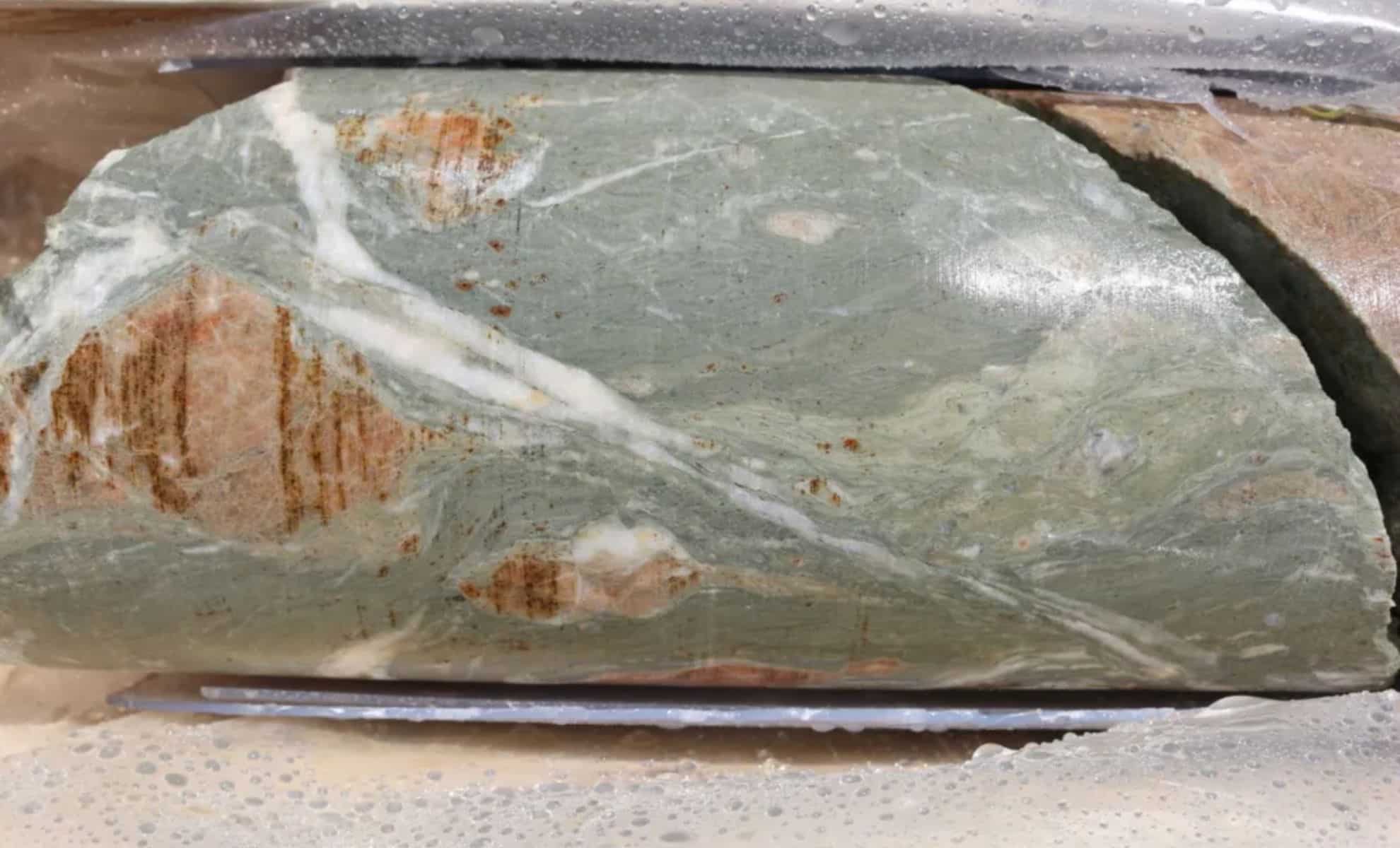
The Great Glen Fault, stretching from Ireland through Scotland to Norway, is a key feature of the UK’s geological landscape. Formed over 400 million years ago during the Caledonian Orogeny, the fault zone plays a crucial role in understanding both the history of Scotland and broader tectonic processes. However, due to the fault’s remote location and challenging terrain, it’s been difficult for scientists to obtain detailed core samples. But with the recent drilling for SSE Renewables‘ Coire Glas hydro-storage project, they’ve gained rare access to rock cores from depths of up to 650 meters. These samples provide invaluable insights into not only Scotland’s geological history but also the behavior of fault zones on a global scale.
A Geological Window into Scotland’s Past
The Great Glen Fault is a geological scar that cuts across Scotland, stretching over 1,000 kilometers. It’s the largest fault structure in the UK, reaching depths of up to 40 kilometers, and it has played a crucial role in shaping the region’s landscape. According to the British Geological Survey (BGS), this fault was formed during a massive tectonic event known as the Caledonian Orogeny, which occurred around 400 million years ago when the ancient plates of Laurentia and Baltica collided. The fault itself remains largely concealed beneath the waters of Loch Ness and other bodies of water, with only occasional earthquakes detected in the region.
The recent drilling project, aimed at assessing the feasibility of a pumped hydro storage scheme at Loch Lochy, provided an exceptional opportunity for scientists. Over 1,500 meters of core were retrieved, offering a cross-section of the Great Glen Fault zone. Dr. Romesh Palamakumbura, a geologist at BGS, described the access to these samples as a “once-in-a-lifetime” experience, noting how unique and spectacular it was to study rocks from such a critical geological feature.
Unveiling the Inner Workings of Fault Zones
The core samples retrieved from the Great Glen Fault have already yielded important new insights into the processes that govern major fault zones. Scientists are particularly interested in how hot fluids, likely originating deep within the Earth’s crust, interact with and alter the rock formations in fault zones. These fluids can significantly change the mechanical properties of the rocks, making them weaker and more susceptible to deformation. According to Palamakumbura, initial analyses of one sample have shown that these fluids have played a major role in the formation of the fault rocks.
The samples are not only shedding light on the specific behavior of the Great Glen Fault but also helping to refine understanding of how similar fault systems work worldwide. This includes other well-known fault zones like the San Andreas Fault in the United States and the Anatolian Fault in Turkey, which are notorious for their seismic activity. The insights gained could prove crucial for understanding the long-term behavior of fault zones and for better predicting seismic risks in other regions.
The Future of Fault Zone Research
The Coire Glas core samples are expected to have a lasting impact on the scientific community. Following the initial analysis, the core will be stored at the BGS National Geological Repository, a facility dedicated to preserving geological samples for future research. This will allow scientists to continue studying the core for years to come, using increasingly advanced techniques to unlock more secrets about the Earth’s deep interior.
In addition to advancing fundamental geological research, the core samples will have practical applications, particularly in energy projects. Understanding the properties of fault rocks and the role of fluids in fault zones is crucial for assessing the viability of geothermal energy, energy storage, and other renewable energy infrastructure. As BGS’s Palamakumbura notes, this research is vital for managing ground risks and informing major infrastructure projects like the Coire Glas pumped hydro storage scheme.
By preserving and sharing these unique core samples, the BGS is not only advancing our understanding of Scotland’s geological history but also contributing to global geological research. As the study of the Great Glen Fault progresses, the samples will provide new opportunities to investigate fundamental questions about the Earth’s crust and tectonic processes, offering a lasting legacy for future generations of scientists.