
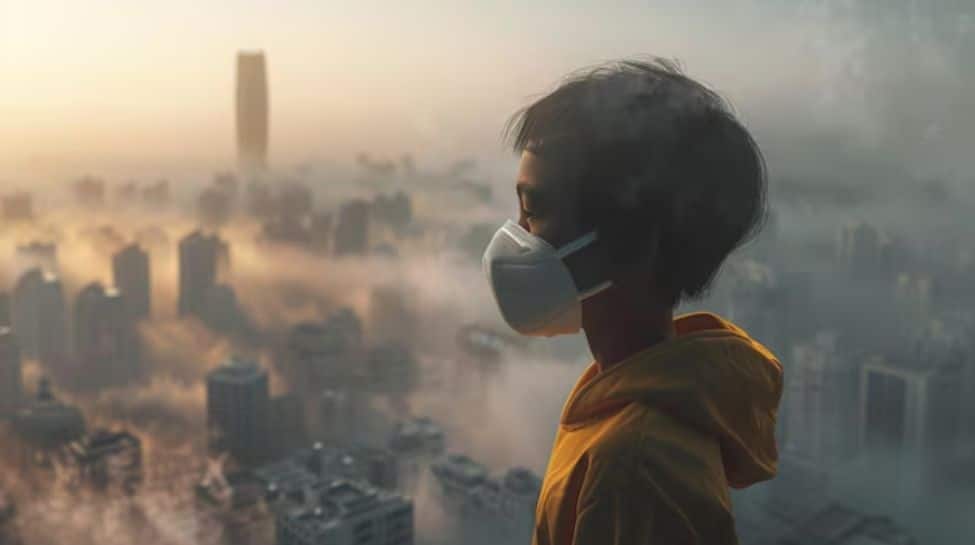
As India faces another wave of hazardous air, the invisible threat is especially concerning for children. The State of Global Air 2024 report highlights air pollution as the second leading cause of death in 2021, especially among children under five . With developing lungs, faster breathing rates, and more time spent outdoors, kids inhale more pollutants relative to their body size. Their young immune systems are still forming, making them especially vulnerable to breathing issues and infections . Studies also show that exposure to PM2.5 or NO₂ is linked to reduced lung growth, increased asthma risk, and frequent respiratory illnesses in children.
Recent findings from Policy bazaar highlight the serious impact of pollution on children. Nearly 43% of all pollution-linked health insurance claims come from the 0–10 age group, showing children are five times more affected than any other age group. Pollution-linked illnesses now account for 8% of all hospitalisations, underscoring the growing challenge families face in protecting their children’s health.
Dr. Sufla Saxena, HOD – Paediatrics and Paediatric Gastroenterology and Hepatology, Manipal Hospital Dwarka, New Delhi shares “During high-pollution months, many children experience harmful effects such as coughing, throat irritation, burning eyes, headaches and even fatigue. Kids suffering from asthma or allergies frequently experience an increase in their symptoms and require inhalers or extra help more often. Parents can also observe that their kids feel a pressure in their chests after playing outside and are usually tired without any reason. In the long term, continuous contact with the polluted air can affect a child’s lung development, lowering the lung capacity as they grow older. It can also increase the risk of chronic respiratory diseases, allergies, and even heart issues later in life. It is also seen that longer exposure with pollution may also affect learning and concentration. This is why it’s important to limit outdoor activities during poor air quality days, use air purifiers indoors and ensure proper nutrition to make the immune system stronger.”
Although we can’t control outdoor air, small, consistent steps can protect children both indoors and outside. Alex Hudson, Dyson Engineer shares practical tips parents can follow to reduce exposure and help their kids breathe cleaner air:
Monitor air quality before stepping outside
Always review the Air Quality Index (AQI) before letting children outside. Limit outdoor play when pollution peaks and keep windows closed during early mornings and late evenings, when pollution tends to peak.
Invest in Cleaner Air for Your Child’s Space
During the colder months, when pollution levels peak, children spend even more time indoors, making indoor air quality critically important. Use a high-efficiency air purifier inside your house where your child spends the most time, whether sleeping, playing, or studying. Choose a purifier with a fully sealed HEPA and activated carbon filter, sized appropriately for the space.
Reduce Indoor Pollutants
Daily household activities like cooking, lighting candles, smoking, or using strong cleaning products release volatile organic compounds (VOCs), nitrogen oxides (NOx), and fine particles that are invisible threats to the indoor air quality. To minimise exposure, cook with exhaust fans, choose low-VOC paints and cleaners, and avoid incense or mosquito coils that release harmful gases.
Maintain Clean Surfaces
Carpets, rugs, sofas, and other fabric surfaces act like sponges for dust, pollen, pet dander, and other allergens. Regular cleaning and vacuuming with HEPA-equipped vacuums, can help maintain a cleaner, healthier home. It washes and cleans hard floors, and effectively vacuums carpets and upholstery, tackling dust and allergens throughout your living space.
Build Pollution-Safe Habits
Encourage kids to wash up and change clothes after being outdoors, stay hydrated, and ventilate rooms when air quality improves. Adding indoor plants can enhance well-being and complement air purifiers.
Dr. Sufla Saxena also shares, “Air pollution disturbs not just the lungs, but the gut as well. Pollutants from the air can be swallowed after being cleared from the lungs and airways. They can also be ingested directly through contaminated food and water. Once in the gut, these particles can alter the gut bacteria. These pollutants can affect the balance of gut microbiota which are the healthy bacteria present in the gut. When this balance is disturbed, it can lead to problems like poor digestion, inflammation and a weaker immune response and may also make children more likely to suffer from allergies, obesity and metabolic disease later in their life. Therefore, it is recommended to have a diet rich in protein, fibre, fruits and probiotics to restore the gut balance.”
(This article is meant for informational purposes only and must not be considered a substitute for advice provided by qualified medical professionals. Always seek the advice of your doctor with any questions about a medical condition.)