
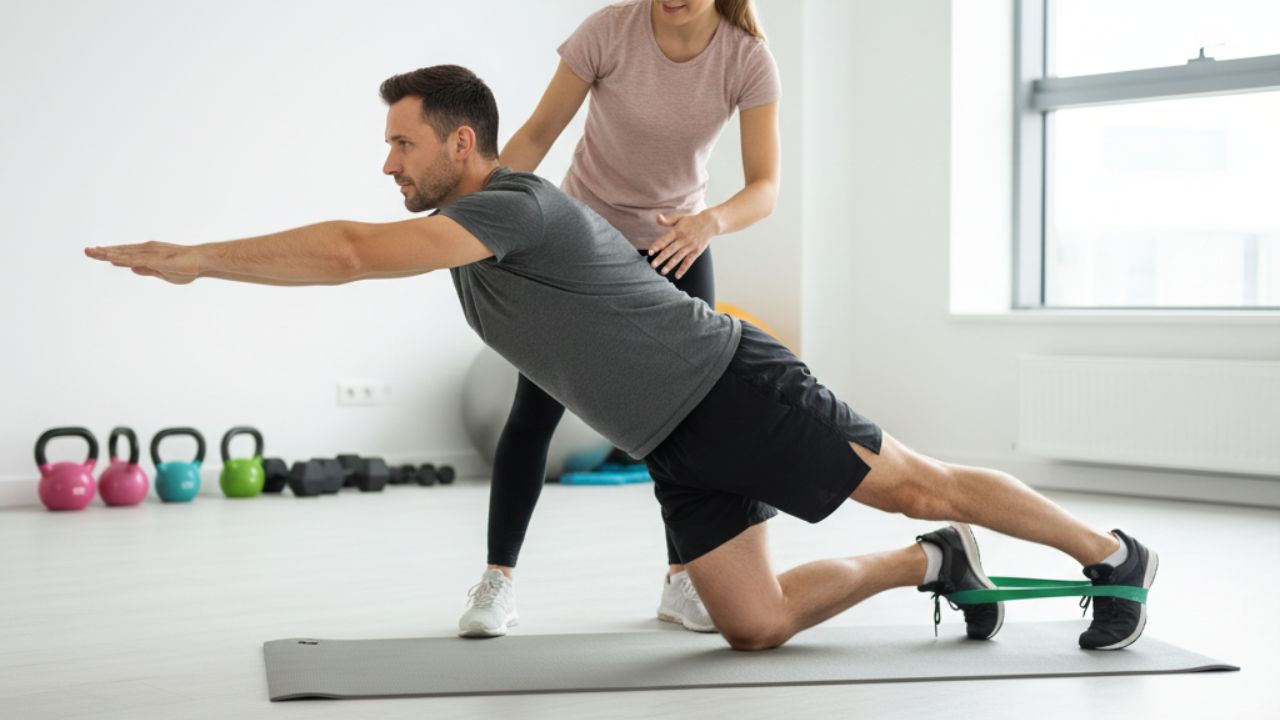
When most people hear “core strength,” they immediately picture a chiseled six-pack or endless sit-ups. While defined abdominal muscles are aesthetically pleasing to some, true core strength is about function, stability, and health. Your core is the body’s powerhouse, acting as a central link that connects your upper and lower body. If you have been struggling with nagging back pain, poor posture, or a lack of balance, consulting a Physio in Adelaide could be the turning point in your fitness journey.
It is easy to overlook the importance of these muscles until something goes wrong. A strong core underpins almost every movement you make, from picking up a bag of groceries to running a marathon.
Understanding the Core Muscles
To strengthen the core, we first need to understand what it actually is. It is not just the rectus abdominis. Think of your core as a sturdy cylinder that wraps around your torso, protecting your spine and organs.
A comprehensive view of the core includes:
- Transverse Abdominis: The deepest layer that acts like a corset, stabilizing the spine and pelvis.
- Internal and External Obliques: The side muscles responsible for rotation and lateral bending.
- Multifidus: Small muscles running along the spine that provide stability.
- Pelvic Floor: The muscles at the base of the pelvis that support organs.
- Diaphragm: The primary muscle used for breathing, which sits at the top of the core cylinder.
When these muscles work together in harmony, your body moves efficiently and safely. When they are weak or unbalanced, other muscles have to compensate, leading to strain and injury.
The Role of Physiotherapy in Building Core Strength
Building a strong core isn’t as simple as doing a hundred crunches a day. In fact, performing abdominal exercises incorrectly can often do more harm than good, exacerbating neck or back pain. This is where professional guidance becomes essential.
Physiotherapy provides a targeted approach. A physiotherapist can assess exactly which muscles are firing correctly and which are dormant. At Wakefield Sports, the focus is on creating a personalized plan that addresses your specific structural needs. Rather than guessing which exercises might work, you receive an evidence-based program designed to activate the deep stabilizing muscles first.
Common Core Weakness Issues Addressed by Physio in Adelaide
A weak core can manifest in surprising ways. It is not always just “weak abs.” Patients visiting a Physio in Adelaide often present with a variety of symptoms that trace back to core instability.
Lower Back Pain: This is the most common complaint. Without a strong core to support the spine, the lower back muscles take on an excessive load, leading to chronic pain and stiffness.
Poor Posture: If you sit at a desk all day, you might notice your shoulders rounding or your lower back arching excessively. A strong core helps hold you upright with less effort.
Balance and Coordination: If you feel unsteady on your feet or clumsy during sports, it often signals a disconnect between your upper and lower body due to core weakness.
By addressing the root cause, a Physio in Adelaide helps patients find long-term relief rather than just treating the symptoms.
Exercises and Techniques at Wakefield Sports
Once an assessment is complete, the real work begins. The exercises prescribed are often subtle but challenging. At Wakefield Sports, practitioners utilize a variety of techniques to ensure patients engage the correct muscles.
Clinical Pilates: This is a cornerstone of core rehabilitation. Unlike a general gym class, clinical Pilates focuses on controlled, precise movements that target the deep core stabilizers.
Functional Retraining: This involves teaching the body how to engage the core during everyday activities, such as lifting, squatting, or reaching.
Breath Work: Learning to breathe correctly is vital. The diaphragm is a key part of the core, and proper breathing mechanics can instantly increase trunk stability.
The team at Wakefield Sports emphasizes quality over quantity. Five repetitions done with perfect form are far more valuable than fifty done poorly.
Benefits of a Strong Core
Investing time in your core offers high returns for your overall health.
- Injury Prevention: A stable spine is less likely to be injured during sudden movements or heavy lifting.
- Improved Athletic Performance: Whether you are a golfer needing rotational power or a runner needing stability, all power is generated from the core.
- Better Posture: Standing tall becomes natural and effortless.
- Pain Reduction: Strengthening the support system around your spine is one of the most effective ways to manage and prevent back pain.
Conclusion
Building core strength is one of the best investments you can make for your long-term mobility and health. It requires patience, precision, and the right guidance. Whether you are recovering from an injury or simply want to improve your physical performance, you don’t have to do it alone.