
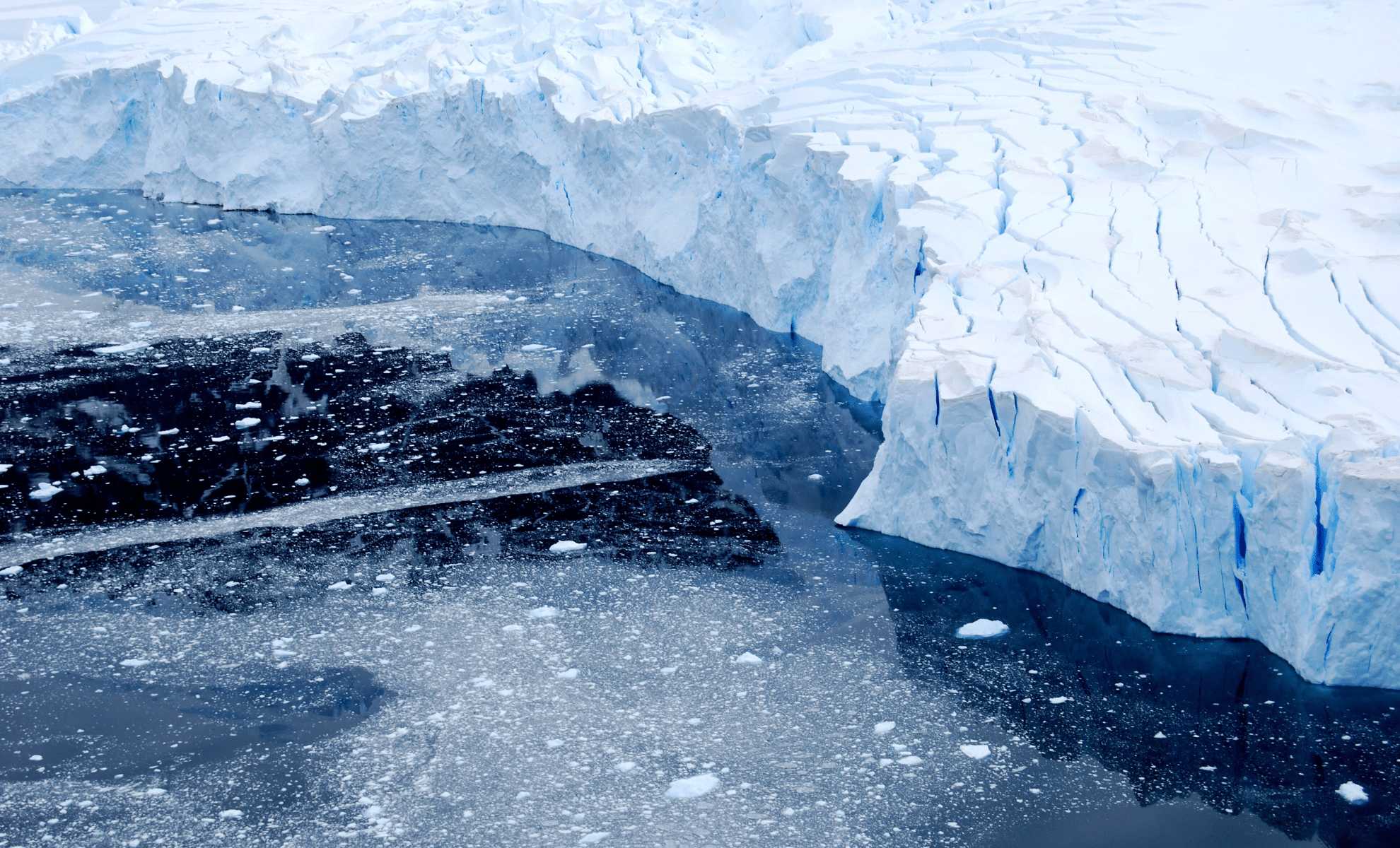
West Antarctica is undergoing profound changes as its vast ice sheet continues to melt at an alarming rate. These shifts are not just contributing to rising sea levels but are also triggering catastrophic geological events. As the ice thins, the continent is experiencing earthquakes, volcanic eruptions, and massive rock avalanches—phenomena that signal a future of dramatic upheavals. Evidence from past ice sheet retreats reveals a pattern of sudden, earth-shaking changes, offering a stark preview of what’s to come for Antarctica’s rapidly transforming landscape.
A Frozen Land in Constant Flux
Antarctica is often perceived as a massive, frozen landmass, seemingly impervious to change. However, beneath this frozen surface, dynamic processes are constantly at work. The West Antarctic Ice Sheet, for example, has been retreating rapidly due to the warming atmosphere and oceans. This retreat, far from being a slow and steady process, has been marked by sudden, dramatic shifts in the ice sheet, as evidenced by new research. The study, published in the Proceedings of the National Academy of Sciences, explored sediment cores taken from the ocean floor near West Antarctica, revealing a history of rapid deglaciation and its catastrophic consequences.
The ice sheet’s movements are not simply a matter of ice melting into the sea. Over millions of years, as the ice retreated, it caused massive shifts in the land beneath. One of the study’s key findings was that the retreat of the ice sheet allowed the land to rebound, creating conditions for volcanic activity and earthquakes. These geological events were not isolated but were instead part of a cycle of rapid shifts that took place when the ice sheet retreated, followed by periods of re-growth.

Sedimentary Evidence of Past Catastrophes
In 2019, a team of researchers embarked on a groundbreaking expedition to drill into the seabed off West Antarctica. The International Ocean Discovery Program Expedition 379 brought up sediment cores that contained layers of material deposited over millions of years. These cores provided crucial evidence of the ice sheet’s past behavior, offering a glimpse into what may happen as the ice continues to melt.
The sediments, which included rock fragments and microfossils, revealed a striking pattern of ice sheet retreat followed by rapid geological upheaval. Researchers found signs of intense geological activity—such as volcanic eruptions and landslides—that occurred as the ice melted and the land rebounded. The most surprising discovery was the presence of a rare sandstone pebble from the interior of Antarctica, suggesting that the ice sheet had once been far less extensive than it is today. This finding points to the possibility of open ocean passages where there was once solid ice, offering insight into how Antarctica’s ice sheet has fluctuated over time.

Rebounding Land and Increased Volcanic Activity
As the ice sheet retreated in the past, it exerted pressure on the land below, causing the Earth’s crust to sink. When the ice melted, this pressure was released, and the land began to rise, a process known as isostatic rebound. This shifting of the land triggered geological events, including volcanic eruptions. The researchers found evidence of volcanic ash in the cores, dating back about three million years, linking the ice sheet’s melting to increased volcanic activity in the region.
This pattern of volcanic eruptions, earthquakes, and landslides is what scientists refer to as “catastrophic geology.” The dramatic changes in West Antarctica’s landscape were not gradual but occurred rapidly, with large-scale shifts in the environment occurring over just thousands to tens of thousands of years. This presents a troubling prediction for the future: as the ice sheet continues to melt, similar geological disruptions are likely to follow, affecting not only Antarctica but the surrounding regions.
The Return of “Catastrophic Geology”
The research conducted in the Amundsen Sea paints a picture of a future where West Antarctica experiences more frequent and intense geological upheavals. These events—earthquakes, volcanic eruptions, and landslides—are linked to the retreat of the ice sheet and its effects on the land beneath. As the ice continues to melt, the land will continue to rise, triggering these catastrophic events. The collapse of the ice sheet will cause the land to rebound, and this will lead to further geological disturbances, including volcanic activity.
The study found that the region’s past is not a linear story of ice loss and recovery. Instead, the ice sheet has fluctuated, retreating and advancing in cycles. These cycles of rapid ice sheet loss followed by land rebound are likely to continue, leading to a future where catastrophic geological events become more frequent and intense.