
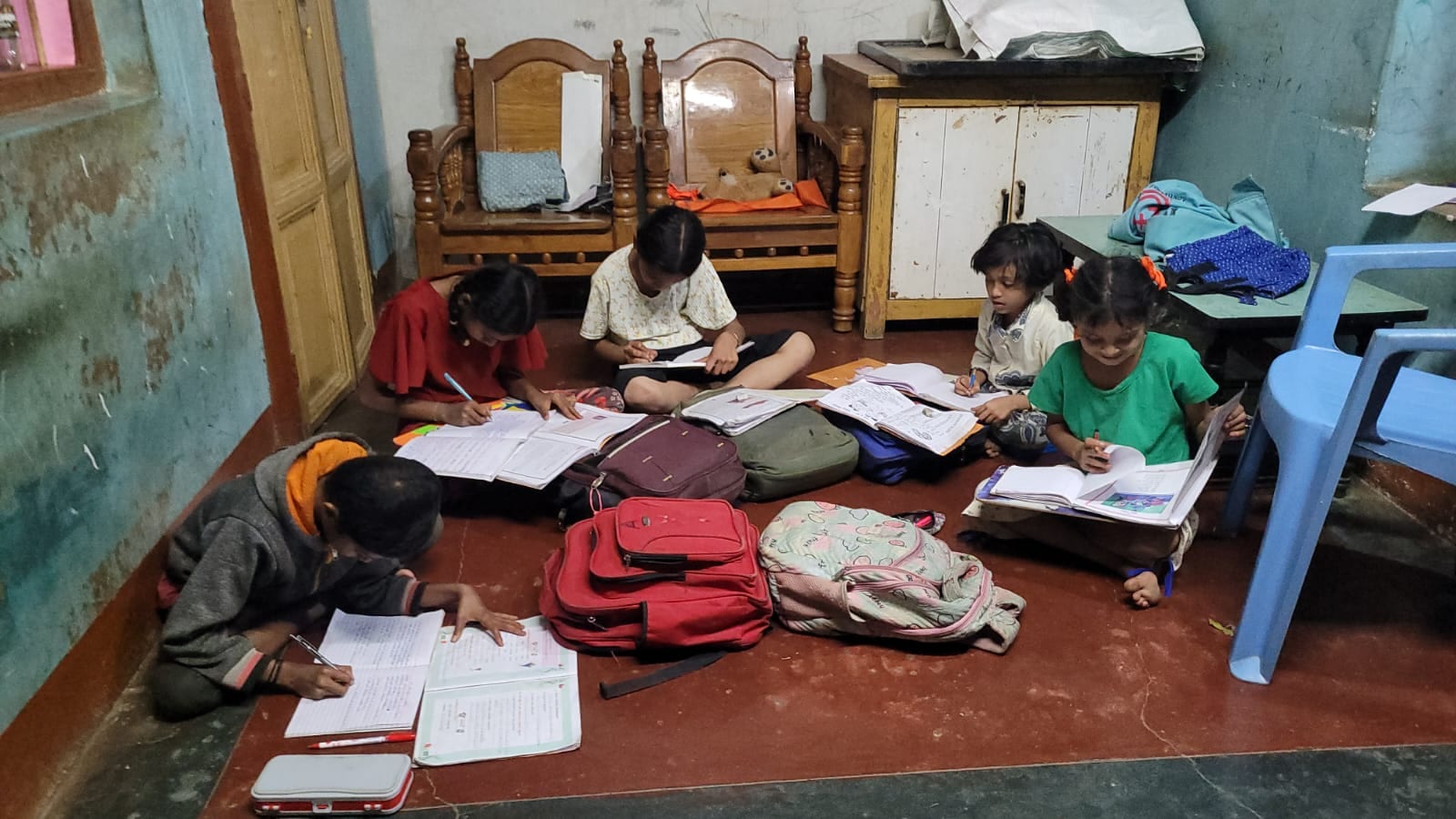
While digital addiction among children is turning out to be a serious concern across the country, a small village in Karnataka has started an initiative where parents and children refrain from using mobile phones and television sets from 7 pm to 9 pm every day.
Halaga, a small village housing a population of about 8,500 in Belagavi district, began implementing the digital detox from December 17. Located just 2 km from Suvarna Vidhana Soudha, where the Karnataka legislature’s Winter Session is held, Halaga has around 2,000 children, according to village panchayat officials. The inspiration for their move came from a similar effort taken up in Mohityanche Vadgaon, a village in Maharashtra.
As per the initiative, a siren goes off in Halaga village at 7 pm every day when all households must turn off their television sets and mobile phones. Members of the grama panchayat will patrol the area to monitor whether the directive is being complied with.
‘We want kids to study, parents to engage’
Speaking to The Indian Express, Lakshmi Raju Gajapati, president of Halaga grama panchayat, said the effort aimed to prevent children’s addiction to mobile phones. “All over the world, we have been hearing stories of how digital addiction is spoiling children. We decided to do it following the example of Mohityanche Vadgaon,” she added.
“We want all parents and children to stay away from gadgets, including mobile phones and televisions, from 7 pm to 9 pm. Our main aim is to make children study, and we want parents also to engage. If children don’t want to study, they can play with their friends at home or outside, but must strictly avoid digital gadgets. At 9 pm, another siren goes off, when the bar is lifted,” Gajapati said.
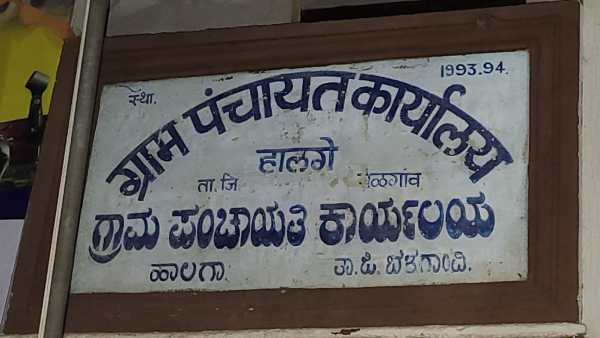 Members of the grama panchayat will patrol the area to monitor whether the directive is being complied with. (Express Photo)
As per a 2022 study by the National Commission for Protection of Child Rights on the ‘Effects (physical, behavioural and psycho-social) of using mobile phones and other devices with internet accessibility by children’ showed that 23.80 per cent of children use smartphones in bed before going to sleep, which increases with age. Besides, 37.15 per cent of children experience reduced levels of concentration due to smartphone use.
Bengaluru youths averaging ‘11 hours daily on devices’
Dr Manoj Kumar Sharma, who runs the Service for Healthy Use of Technology or SHUT Clinic at the National Institute of Mental Health and Neurosciences (Nimhans), says that in Bengaluru, many youths already average 11 hours per day on devices and even parents spend somewhere close to 8-9 hours on digital gadgets.
Story continues below this ad
Bhujang Narayan Salgude, former vice-president of Halaga grama panchayat, said they have decided not to impose any fine or punishment if someone decides to flout the rule. “We have convinced the parents already and if any adult has an emergency call to make, they should refrain from doing it in front of the children. Our aim is to prevent digital addiction among children and even adults,” he added.
‘Did not realise I was addicted to phone’
Swathi, a Class 9 student, said she did not realise that she was addicted to mobile phones till the grama panchayat started this initiative. “The first two days were tough, but now I am getting used to it. I either study or spend time with friends. This has really brought a change in me,” she says.
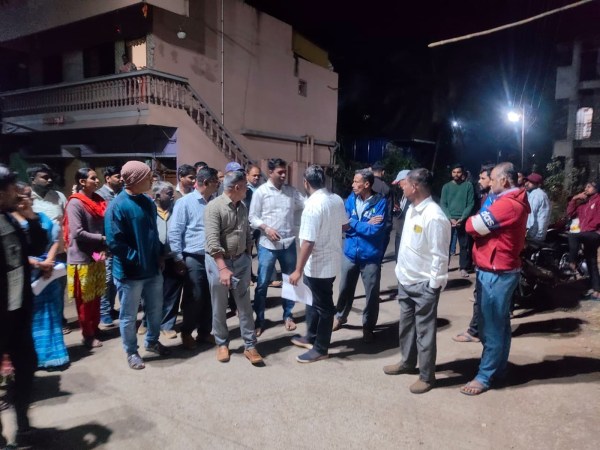 The inspiration for their move came from a similar effort taken up in Mohityanche Vadgaon, a village in Maharashtra. (Express Photo)
On Wednesday, Karnataka Women and Child Development Minister Laxmi Hebbalkar, who is also the MLA of the Belagavi Rural constituency under which Halaga falls, lauded the efforts of the grama panchayat. “In today’s technological age, children’s education and family values are deteriorating due to the onslaught of mobile phones and television. In such circumstances, the decision taken by Halaga village has become a model for the entire country,” she said.
Terming the initiative “a social revolution” to brighten the future of children, the minister said, “I extend my complete support to this revolutionary step. I hope that this model programme of Halaga village will inspire other villages as well.”