
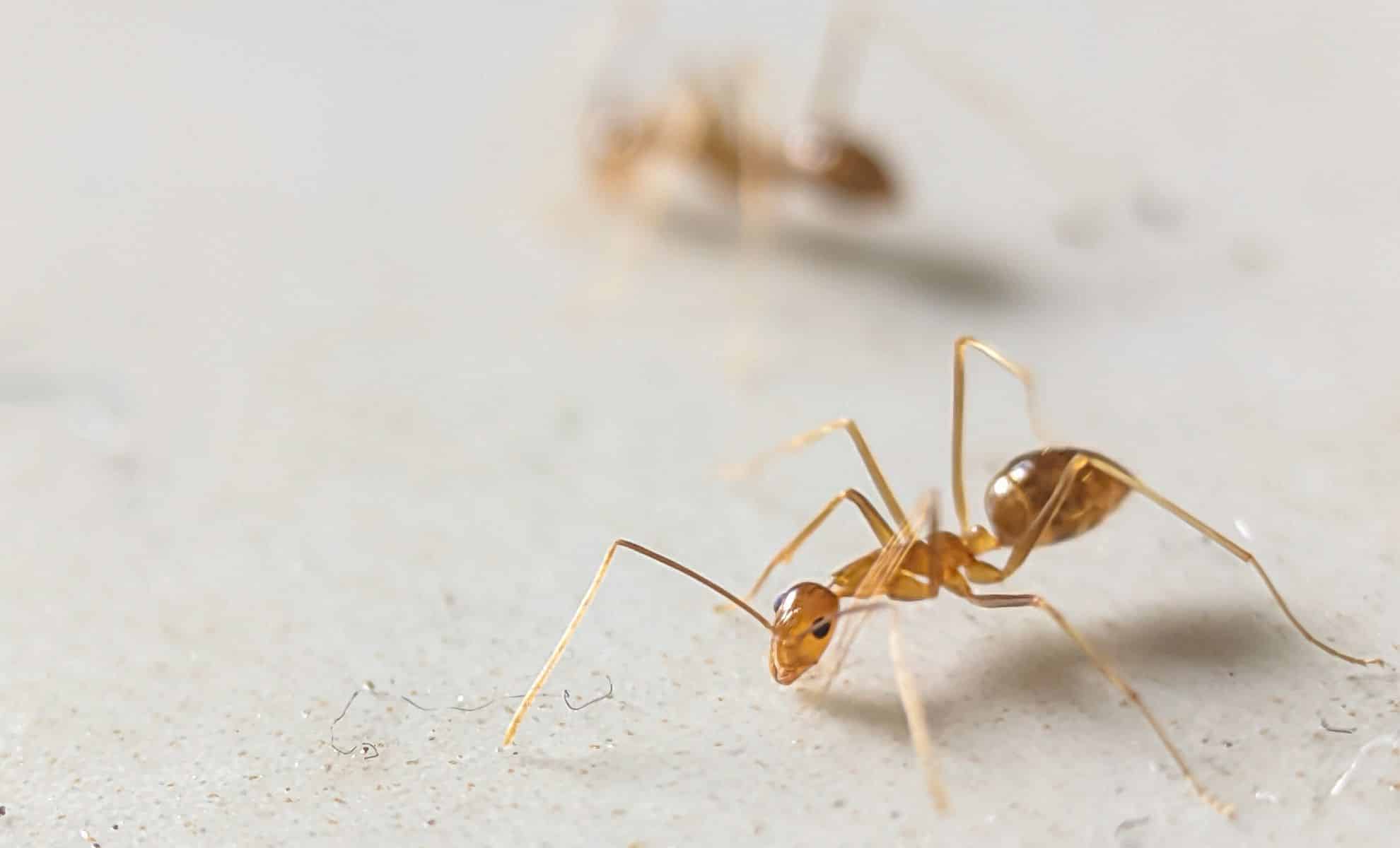
Pharaoh ants are not just a nuisance; they pose serious health risks, especially in medical environments. Their ability to hide in walls, electrical outlets, and plumbing systems makes them almost invisible to conventional pest control methods. As they continue to spread unchecked, health experts and pest control professionals are scrambling to find effective ways to deal with these persistent pests.
An Ant That’s Hard to See, Harder to Stop
Pharaoh ants, known scientifically as Monomorium pharaonis, are small, light-colored ants that have become a global pest. According to The Biology and Control of the Ant Pest Wasmannia auropunctata (Roger) (Hymenoptera: Formicidae), the little fire ant exhibits highly adaptive behavior that complicates eradication efforts. Native to Africa, they have spread to nearly every continent, where they thrive in warm, humid indoor environments. Their colonies can swell to tens of thousands, occupying tight, hidden spaces like wall voids or behind light fixtures, where they’re almost impossible to reach. According to entomologist J.C. Nickerson, Pharaoh ants are especially difficult to control because they nest in inaccessible areas, such as behind tiles or within electrical systems (Nickerson, Florida Department of Agriculture).
Their ability to “bud” or split into multiple colonies adds to their resilience. A single colony can fragment when a queen and a few workers relocate to a new area, starting fresh colonies. This habit allows them to persist even after pest control efforts disrupt their nests. Unlike other ant species, Pharaoh ants thrive in environments where food and moisture are plentiful, including kitchens and hospitals, making them a particular concern in sensitive locations.

Pharaoh Ants in Hospitals: A Health Hazard
The presence of Pharaoh ants in hospitals is one of the most concerning aspects of their spread. These ants have been documented to invade sterile medical environments, moving through gauze dressings, IV lines, and surgical supplies. In a survey of healthcare facilities in England, over 10 percent of hospitals reported infestations of Pharaoh ants. The risk is not just inconvenience; these ants carry dangerous pathogens, including Salmonella, Staphylococcus, and Streptococcus, which they can spread across hospital wards, potentially contaminating medical equipment and even patients.
In some instances, Pharaoh ants have been observed feeding on the wounds of burn victims or newborns in intensive care units. Their small size allows them to access areas that larger pests cannot, including areas that are critical to maintaining sterile environments. The combination of their rapid reproduction and ability to infiltrate hidden areas makes them a persistent and dangerous presence in hospitals.
The Challenges of Controlling Pharaoh Ants
Controlling Pharaoh ants requires patience and persistence. Conventional pest control methods, like surface sprays, are often ineffective and may even worsen the problem. When workers are killed by sprays, the colony can fragment, leading to more widespread infestations in new areas. Instead, pest control professionals now rely on bait-based strategies. These baits are designed to be carried back to the nest, where they are shared among the colony, ensuring that the entire network is exposed to the pesticide.
Research has shown that baits containing insect growth regulators (IGRs), such as pyriproxyfen, can disrupt the development of ants and effectively reduce populations over time. According to pest control studies, pyriproxyfen works by preventing the development of worker ants and sterilizing the queen, ultimately leading to the collapse of the colony. However, because these baits work slowly, they require a careful approach and often need to be used in combination with treatments across entire buildings to avoid reinfestation from adjacent areas.
Despite these strategies, Pharaoh ants remain a formidable pest due to their ability to relocate and adapt. To fully eliminate an infestation, pest control experts often need to treat not just one floor or room but the entire building, ensuring that no nest is left untouched. As Pharaoh ants continue to colonize cities and spread through medical and residential spaces, the battle to control them remains a significant challenge. The persistence of this tiny, but mighty, pest highlights the growing need for more effective, long-term pest management strategies.