
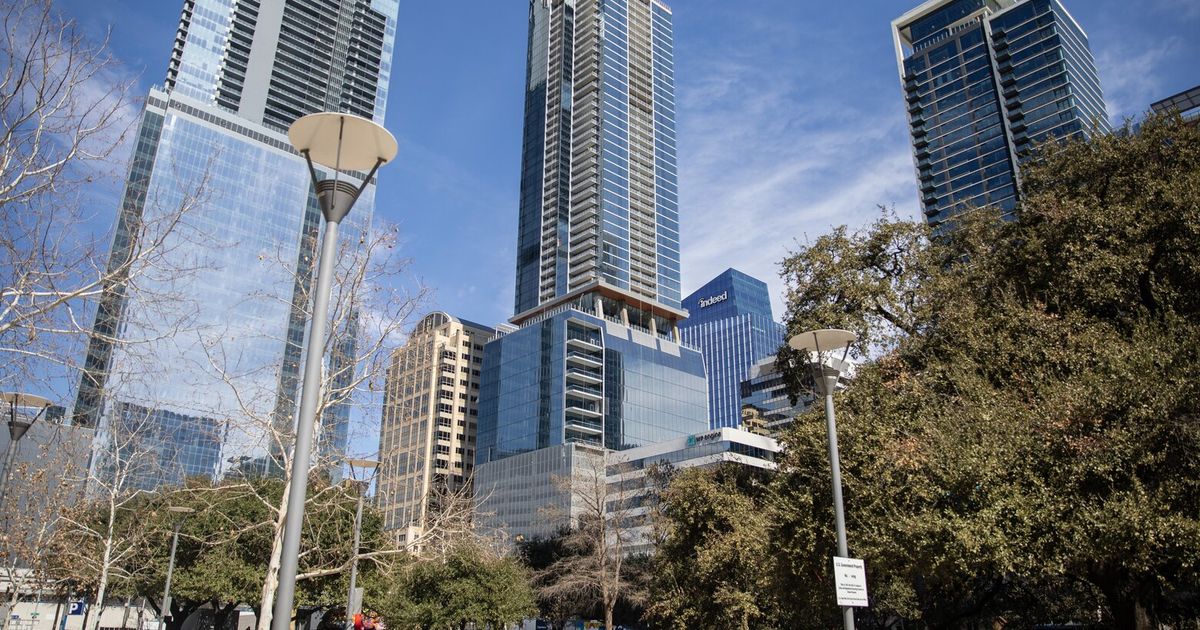
Rents got cheaper in several major cities this past year, thanks to an influx of luxury apartment buildings opening their doors and luring tenants to vacate their old homes.
But those looking for bargains will have to be quick, since the available apartments won’t last long, developers say.
The average rental rate in the U.S. fell 0.18% in November, the largest drop for that month in more than 15 years, according to real estate research firm CoStar. Driving that decline: lower rents in big cities like Austin, Denver and Phoenix, as well as vacation destinations like Naples, Fla.; Asheville, N.C.; and Myrtle Beach, S.C.
Seattle’s rents dropped 0.3% in November from October, according to CoStar data.
New building openings are bringing rents down as wealthy tenants trade up, forcing landlords to drop prices for older apartments. Rents for older units have fallen as much as 11%, and some are now on offer at rates as low as homes that are usually designated as “affordable” and come with restrictions including rent control and rent stabilization.
The changed dynamic in the rental market is challenging the idea that luxury housing doesn’t help the broader ecosystem.
“What it shows you is that housing supply reduces the cost of rent,” said Sharon Wilson Géno, president of the National Multifamily Housing Council, a trade group representing landlords, investors and developers.
The surprising decline in the midst of a historic housing crisis is another effect of the COVID-19 pandemic, when a freeze in economic activity prompted the Federal Reserve to lower rates just as remote work was causing a spike in home prices. As office workers fled to the likes of Miami and Nashville, developers sprang into action, starting new projects in cities they identified as the most desirable for this wave of migrants — most of which are in Sun Belt states.
By 2024, these cities were experiencing a peak in new luxury apartment openings. In Austin, more than 10,000 new apartments opened to renters in the three months ending September last year. Phoenix topped out at nearly 8,000 new units before the end of the year. Denver’s peak was slightly earlier, with more than 5,000 units opening up at the beginning of 2024.
The cities where older buildings’ rents fell the most saw new apartments built at a much higher rate than the national average. In the cities that added new apartments at lower rates — below the national average — rents barely budged.
The cause of the rent declines could not be clearer, analysts say.
“This is a generational development cycle,” said Grant Montgomery, the national director of multifamily analytics at CoStar. “We haven’t seen a peak like this since the mid-1980s.”
The supply of luxury buildings over the past couple of years has driven down rents and helped ease some of the affordability issues in those cities even though the development of affordable housing was comparatively slow, amounting to hundreds rather than thousands of new units built per quarter.
“More supply is the answer to housing affordability. I think people don’t believe that,” added Géno, of the NMHC.
To be sure, relying on luxury developments to address the housing crisis isn’t a long-term solution — with developers already pulling back on plans for new buildings in places where rents have fallen the most. The number of new apartments opening for rent across the country is expected to drop by half next year from its mid-2024 peak.
Camden Property Trust, which owns nearly 60,000 units, is among operators who have cited new supply as a key reason for lowering rents. Its focus was on “occupancy instead of rental increases,” Chairman Ric Campo told investors on a November conference call.
Still, Campo predicted that tighter supply will eventually allow developers to begin raising rents again.
“Apartments and our shares are on sale, but not for much longer,” he said.