
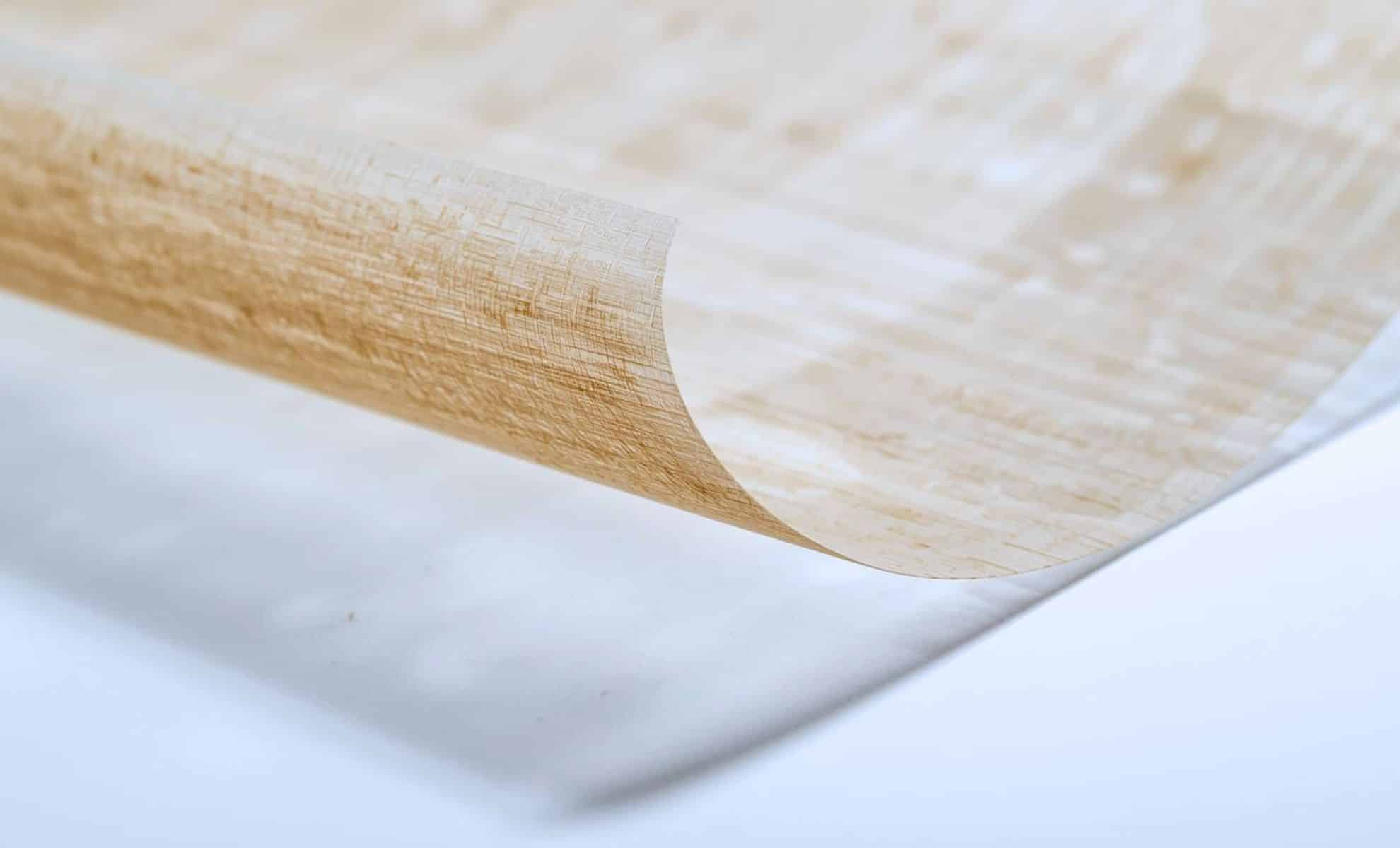
A new type of biodegradable plastic developed in Japan could provide an alternative to conventional synthetic polymers and help limit microplastic pollution. Researchers at the RIKEN Center for Emergent Matter Science have created a flexible, durable material using cellulose, a plant-based compound, and choline chloride, a naturally occurring salt. Both components are low-cost, widely available, and approved for human use.
The plastic is designed to perform like traditional petroleum-based materials in terms of strength and versatility. It can be engineered to stretch, resist pressure, or maintain a rigid structure. Most notably, it decomposes without generating microplastics and may be suitable for large-scale production using current industrial systems.

This development comes at a time when environmental and health concerns around plastics continue to grow. Microplastics, which form when plastics degrade into particles smaller than 5 millimetres, have been detected in marine ecosystems, soil, drinking water and even human blood. Scientists are increasingly focused on reducing plastic waste at its source by developing eco-friendly packaging and other sustainable materials.
Plastic That Mimics Traditional Performance Without Toxic Legacy
Synthetic polymers have long dominated industrial applications due to their low cost, scalability, and resilience. However, they typically contain additives that do not degrade naturally and can persist for centuries in the environment. In contrast, the new cellulose-based plastic avoids these additives and uses safe, biodegradable components.
Cellulose, the structural component of plant cell walls, is the most abundant organic material on Earth. On its own, it is too brittle for flexible applications. The RIKEN team addressed this by introducing choline chloride, a salt often used in food and animal feed. The salt interacts with the cellulose fibres, breaking down their stiffness and allowing the material to be moulded into thin sheets or elastic films.

Researchers found that the final product can be stretched up to 130 percent of its original length without breaking. It can also be compressed to a thickness of just 0.07 millimetres, enabling potential use in sustainable packaging or lightweight coatings. By adjusting the salt content and pressing conditions, the material’s physical properties can be fine-tuned for specific industrial needs.
The research article is accessible via the Journal of the American Chemical Society, offering a detailed description of the molecular interactions, production techniques, and material testing protocols.
Uses in Packaging, Manufacturing, and Consumer Products
Plastics derived from fossil fuels are still used in most consumer goods, particularly where low cost and mechanical performance are required. Biodegradable alternatives have been introduced, but many fail to match the toughness or flexibility of traditional polymers. Others degrade too slowly or under limited conditions, such as only in industrial composting facilities.
The new wood-based bioplastic appears to overcome several of these obstacles. Its raw materials are renewable and already integrated into global supply chains. Choline chloride is inexpensive and available at scale, and cellulose can be sourced from wood pulp, agricultural byproducts, or textile waste. The researchers note that the components are already regulated and approved for contact with food and skin, which could simplify adoption in consumer goods.
The ability to adjust the plastic’s properties also expands its potential use cases. Rigid forms could replace polystyrene or PET in packaging trays, while more elastic variants could serve in flexible films, wrappings, or electronics insulation. Its high tensile strength and minimal thickness could also reduce material usage per product.
These performance characteristics suggest the material could enter the market more easily than other experimental plastics, many of which face cost or process integration barriers.
Complementary Innovation in Marine Plastics
In a separate development, another research team has designed a polymer-based plastic that dissolves completely in seawater. This project, reported by Phys.org, focuses on plastic debris in marine environments, where conventional materials often accumulate for decades or more. The saltwater-soluble plastic degrades fully and does not release secondary pollutants like microplastics, making it potentially useful for fishing gear, coastal packaging, or other ocean-bound applications.
Together, these innovations reflect a broader scientific and industrial effort to reduce plastic’s environmental footprint. Biodegradable materials with strong mechanical performance and realistic production pathways are increasingly seen as a path forward for limiting single-use plastics and plastic waste.
The Organisation for Economic Co-operation and Development estimates that global plastic production could nearly triple by 2060 if current patterns continue. Less than 10 percent of this material is currently recycled, placing pressure on researchers and manufacturers to identify scalable alternatives that do not rely on petrochemical feedstocks.