
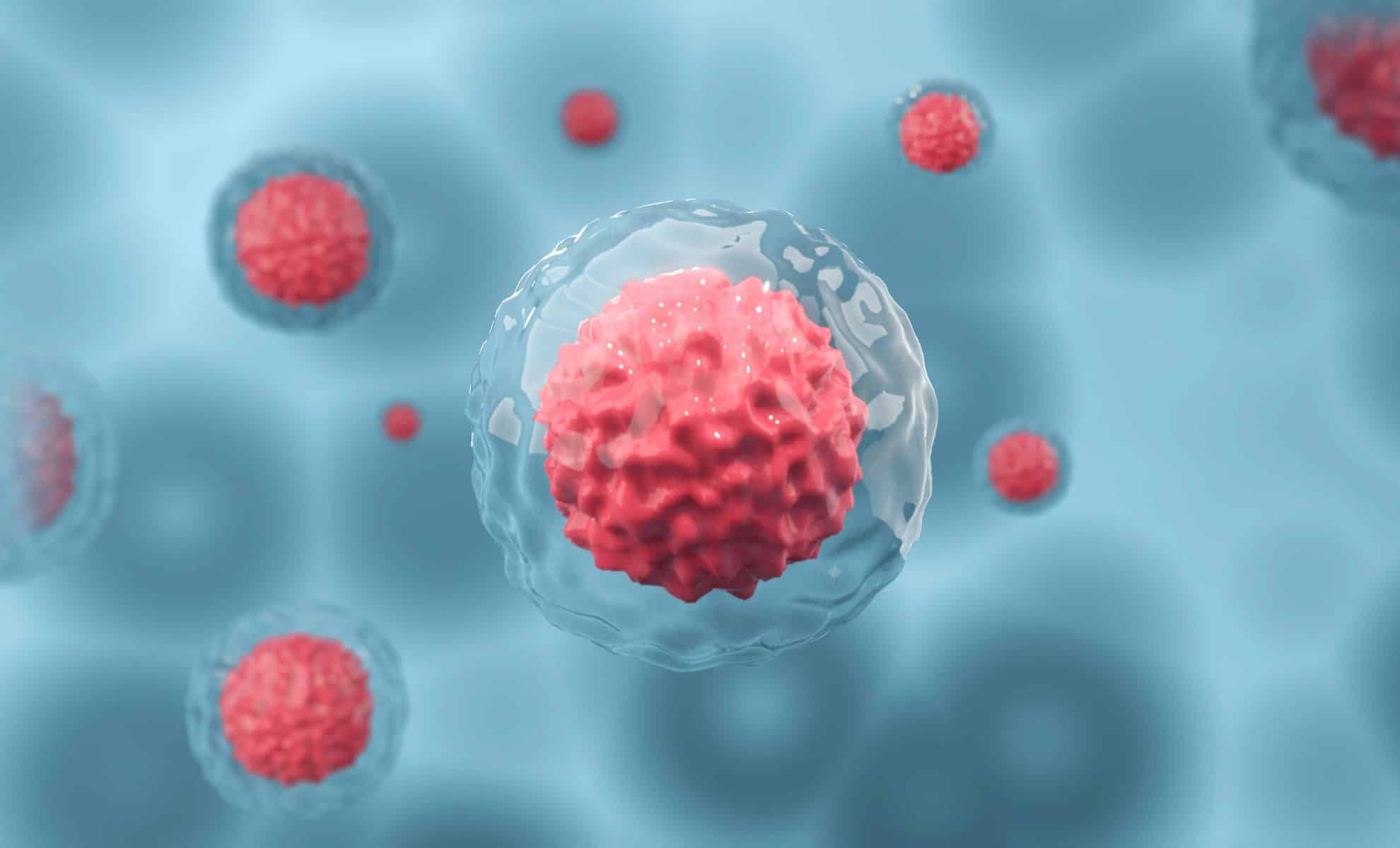
A recent study published in Genes & Development unpacks the molecular processes that allow mouse embryonic stem cells to stay pluripotent while in suspended animation. By identifying the genetic switches that hold development in check, scientists are uncovering how cells survive deep metabolic stress without losing their identity, a discovery that could reshape how we understand diseases like cancer.
Embryonic diapause is observed across more than 100 mammalian species, from rodents to marine mammals. After fertilization, the embryo stops developing at the blastocyst stage, a compact cluster of cells that would normally continue growing. In seals, for instance, this pause gives females the chance to wait for optimal seasonal and nutritional conditions before continuing gestation. Although humans don’t experience this process, the cellular mechanisms behind diapause may be present in many systems, including long-lived immune cells and dormant tumor cells.
A Universal Brake on Development
According to the Rockefeller University research team led by Alexander Tarakhovsky, the diapause state can be triggered in embryonic stem cells by multiple stressors, such as nutrient limitation or a lack of growth signals. Regardless of the trigger, cells responded by activating the same molecular program—one that represses the MAP kinase pathway, a critical driver of cell differentiation.
In their experiments, researchers used the mTOR inhibitor Torin1 and a BET protein inhibitor called I-BET151 to mimic conditions of metabolic and transcriptional stress. Both treatments induced a diapause-like state in mouse embryonic stem cells. The cells stopped proliferating, reduced their metabolism, and entered a dormant phase, yet retained the ability to become any cell type. Crucially, they remained in this state even when exposed to signals that would normally prompt differentiation.
The key to this suspended animation was a set of genes known as negative regulators of MAP kinase (NRMAPK), which include Dusp4, Dusp6, and members of the Sprouty family. These genes act as natural brakes, keeping the MAP kinase pathway in check and thereby preserving the cells’ pluripotency. According to the study, suppressing these brake genes caused the dormant cells to lose their undifferentiated state, underscoring their essential role.
Capicua, the Molecular Gatekeeper
Digging deeper into the mechanism, the researchers discovered that a protein called Capicua (CIC) plays a central role in regulating these brake genes. In unstressed cells, CIC binds to the promoters of NRMAPK genes, keeping them silent. When stressors like mTOR or BET inhibition are introduced, CIC is displaced from the DNA, allowing the brake genes to activate.

This displacement is selective. CIC was removed specifically from the promoters of the MAP kinase inhibitors, but remained bound to unrelated gene regions, indicating a targeted response. As explained in Genes & Development, this shift leads to a rapid and reversible repression of differentiation pathways. Once the stress is lifted, CIC rebinds and the cells exit diapause, ready to resume development.
The research team also showed that this mechanism is conserved across various stress-induced diapause-like states. For example, cells rendered dormant by Myc deficiency, a condition known to suppress transcriptional activity, also showed upregulation of NRMAPK genes and reduction in MAP kinase activity. This convergence of distinct stress signals on a shared molecular outcome suggests a robust, self-organizing network response rather than a single regulatory pathway.
Pluripotency Preserved Through Stress
One of the most remarkable aspects of this study is the observation that diapause-like embryonic stem cells maintain full pluripotency. Despite severe metabolic and transcriptional downregulation, these cells did not lose their ability to form all tissue types. In tests, even when exposed to strong differentiation signals like FGF4 or retinoic acid, diapause cells resisted commitment and remained in an undifferentiated state.
I-BET-resistant embryonic stem cells (I-BETR) continued expressing core pluripotency markers like Sox2, Stat3, and Lifr, while genes promoting differentiation, such as Gata6, Neurod1, and Otx2, were sharply repressed. Once the BET inhibitor was removed, the cells rapidly resumed growth and could contribute to chimeric embryos. According to the authors, this confirms the reversibility and developmental potential of the diapause-like state.
This preserved identity in the face of environmental adversity mirrors cellular behavior seen in other biological systems. Long-lived memory T cells, certain stem cell populations in adult tissues, and even dormant cancer cells may use similar transcriptional brakes to endure unfavorable conditions. While humans don’t undergo embryonic diapause, the molecular machinery that supports it may be a more general survival strategy embedded in our cells.
Diapause, once viewed as a curiosity of animal reproduction, is revealing itself as a broader biological principle. The mechanisms uncovered by Tarakhovsky’s team offer a window into how cells protect themselves against collapse, pausing without losing their purpose, and possibly shedding light on how to control or exploit dormancy in disease contexts.