
Within weeks of its launch, the BJP’s ambitious experiment in Madhya Pradesh to bridge the gap between state ministers and grassroots workers has laid bare an uncomfortable truth: that there is a widening chasm between the local party leaders and the bureaucracy. And this has led to questions about the impact of the initiative itself.
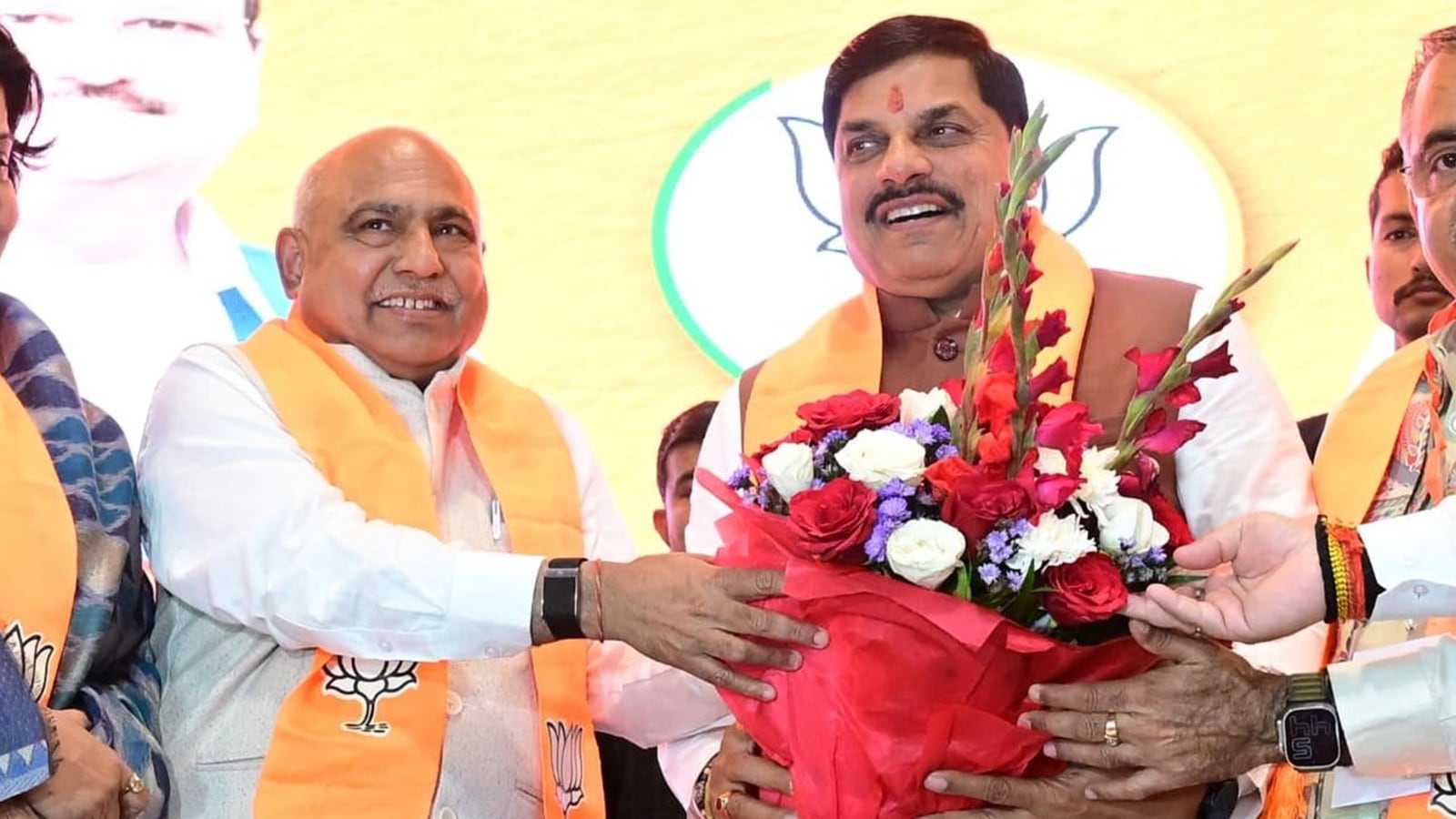
On December 1, state BJP president Hemant Khandelwal launched the “Samwad (dialogue)” initiative that requires ministers to spend two hours daily at the party’s state headquarters meeting workers. However, senior leaders and workers who have attended the meetings told The Indian Express that the initiative was falling short of its goals.
“The meetings are not resonating,” said a senior leader who has attended multiple meetings to date. “Workers come in hopes of solving issues of taking back police cases, asking for the transfer of local officials, or speeding up some development projects. But none of this happens as the ministers are unable to get the work done. So, the crowds have begun thinning.”
The problem, according to multiple leaders, is straightforward: the lower and mid-level bureaucrats in the districts do not listen to the local BJP functionaries.
“There is a feeling among local BJP workers that there is a tyranny of the administration. There’s a lot of anger because of this and there is a feeling that the senior ministers are not helping them out. After attending these meetings, now there is a feeling that the local administration is not listening to even these ministers,” said a leader.
State BJP secretary Rajneesh Aggarwal admitted there were problems between the local administration and party workers in several districts, “but we can’t say the bureaucracy doesn’t listen to our workers at all”.
Asked if crowds at the “Samwad” meetings had started thinning, Aggarwal claimed it was a positive sign. “If there was a huge crowd, it would have signalled a total breakdown of the local organisation.”
What happens at the meetings
Placed in charge of the state BJP unit in July, Khandelwal started “Samwad” after consultations with Chief Minister Mohan Yadav. He recognised that grassroots workers were getting increasingly frustrated about difficulties in reaching ministers who had become absorbed in government work. By mandating ministerial presence at party headquarters, rather than expecting workers to chase the ministers at government offices, Khandelwal hoped to reassert organisational primacy while addressing worker grievances, said party insiders.
State BJP vice-president Shailendra Baruah, who oversees the sessions, said the meetings are held every day from 1 pm to 3 pm. Ministers are informed in advance about the meetings, sent reminders the day before, and compliance is mandatory. Only exemptions are festivals such as Diwali and Christmas, according to Baruah. The coordination is handled by minister Rakesh Singh, who works with Baruah to determine which minister must attend when. The roster rotates to ensure coverage, though scheduling around ministerial duties and government obligations remains a logistical challenge, Baruah said.
Party workers have to register, with typically 30-50 workers in attendance in each session. The agenda for the meeting is compiled in advance and submitted in writing, then discussed with the minister, Baruah said.
“Now many of the leaders have realised that senior administrative officials, from the Collector to the Secretary sitting in Vallabh Bhavan, don’t even listen to them and only pay lip service,” said a senior leader.
Why solutions are difficult
A senior functionary said, “The most crucial departments are with the CM, such as law and order and the general administrative department. In the end, some minister, even a senior minister, is unable to convince the CM to shift out an SHO or an ACP who is proving to be difficult in their district. This is because the CM is also giving out a lot of powers and accountability to the local police and empowering them, and hence is unable to act.”
He noted that only some senior leaders such as Union Minister Jyotiraditya Scindia or state ministers Kailash Vijayvargiya and Rajendra Shukla “were able to get some sort of work done in their districts”.
The issues workers bring to these sessions span the entire administrative spectrum, making quick solutions nearly impossible, said another leader. “There are complaints, ranging from those against the patwari to those against the Chief Secretary. But the whole issue is how to troubleshoot them. Getting a solution for these problems would result in the engagement of several departments and make the administration more transparent and accommodating. This is not something that can be solved over a piece of dialogue. However, this is a starting process of communication. The solution may take a long time.”
One BJP functionary said when workers attend these meetings, they hope for police cases to be withdrawn, hostile officials transferred, or stalled projects expedited. “But this requires ministerial intervention in administrative processes. As the initiative has progressed, it has become clear that most ministers lack the authority or influence to deliver on such requests,” said a senior leader.
However, a senior leader defended the Samwad initiative, saying it had just started. “By creating regular forums for workers to raise issues and for ministers to at least understand the problems on the ground, perhaps longer-term solutions can emerge.”