
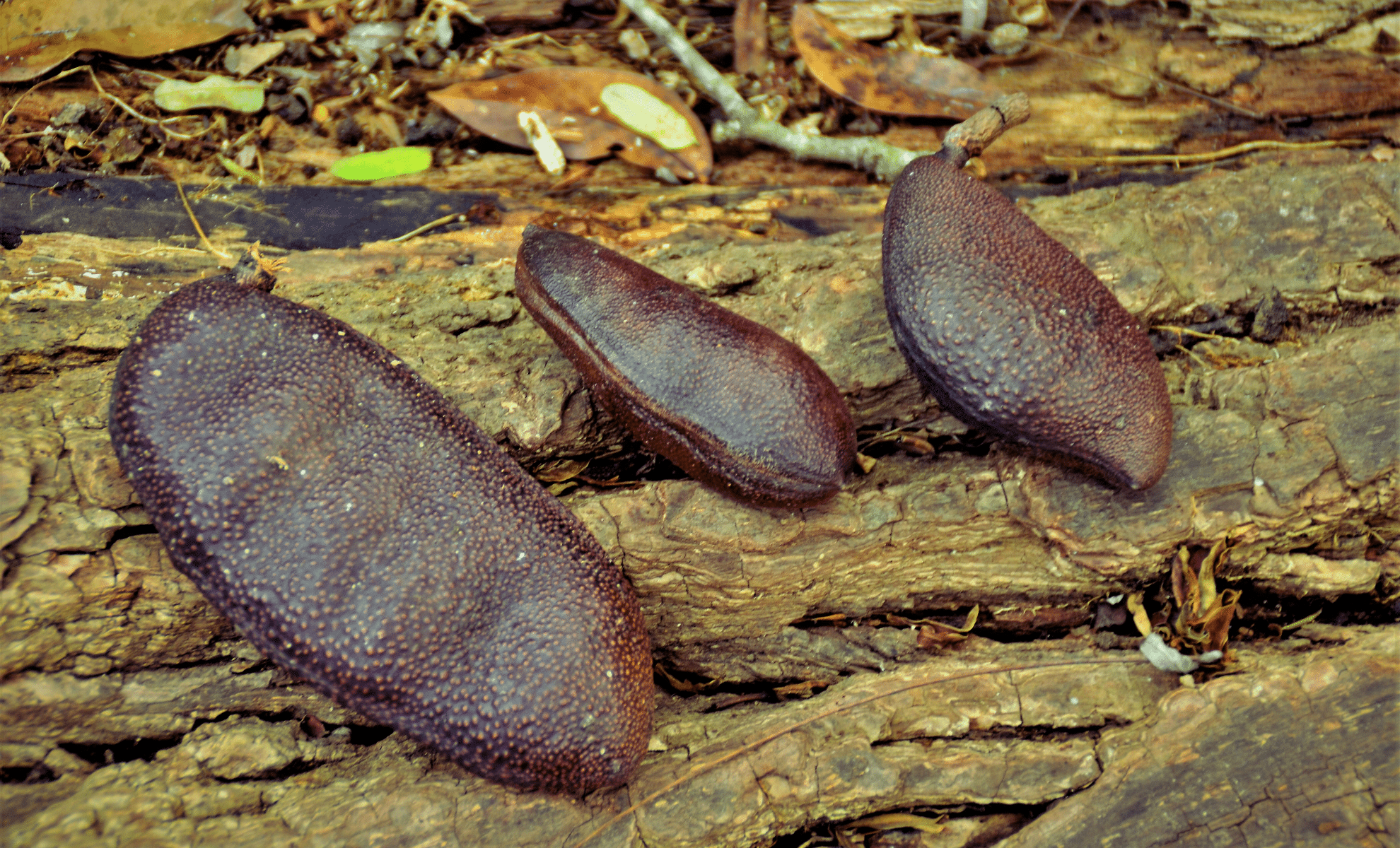
For centuries, Indigenous peoples of South America have turned to the jatobá plant (Hymenaea courbaril) for healing and resilience. Now, a new study published in Plants has unveiled the biochemical secrets behind this tree’s powerful medicinal properties, sparking fresh scientific and pharmaceutical interest in a species long revered in traditional medicine.
Rediscovering A Botanical Healer
Deep within the Amazon rainforest, the jatobá tree stands tall and enduring—a symbol of strength and adaptability. Indigenous communities have traditionally used its bark, fruit, and resin to treat respiratory issues, infections, and digestive disorders. Recent research is now validating these ancient practices, uncovering how the plant’s bioactive compounds interact with the human body.
According to researchers from Brazil’s Federal University of Rio Grande do Sul (UFRGS), the team analyzed the phytochemical composition of jatobá extracts using advanced chromatographic techniques. Their findings revealed a diverse spectrum of flavonoids, terpenes, and phenolic compounds, many of which are associated with anti-inflammatory, antimicrobial, and antioxidant effects.
“H. courbaril extract exhibited a low toxicity profile at the concentrations tested,” noted Larissa Lobo, a researcher at UFRGS. This discovery reinforces the safety of jatobá-derived products and their potential integration into modern pharmacology.

The Science Behind The Tree’s Medicinal Power
The study, published in Plants, detailed how jatobá’s bioactive compounds act at the cellular level. These molecules appear to modulate inflammatory pathways and neutralize reactive oxygen species, offering protection against oxidative stress—a key factor in aging and chronic diseases.
“Our results not only confirm the economic and bioactive potentials of the whole H. courbaril tree,” wrote Gabriela Lucca Del Angelo, a plant scientist based in Brazil, “but also highlight its promise as a sustainable source for natural medicines and biotechnological innovations.”
Such insights mark a critical step in bridging Indigenous knowledge with evidence-based science. The research suggests that jatobá’s compounds could serve as templates for new pharmaceuticals, potentially targeting ailments ranging from infections to metabolic disorders.

A Sustainable Future For Ancient Wisdom
Beyond pharmacology, the jatobá tree carries profound ecological and cultural significance. Its tough hardwood is prized in construction, while its sweet pods support local economies. Yet, the growing global interest in its bioactive extracts raises questions about sustainable harvesting and conservation.
Experts emphasize the importance of preserving the ecosystems where jatobá thrives, ensuring that traditional practices coexist with scientific exploration. By valuing Indigenous knowledge systems, modern researchers are recognizing the co-evolution of people and plants in one of Earth’s most biodiverse regions.
As the authors of the Plants study stress, the future of jatobá research lies in responsible development, balancing economic opportunities with ecological integrity. This plant, revered for generations, now stands as a bridge between ancestral medicine and cutting-edge biochemistry—an emblem of how ancient wisdom can illuminate the path forward for modern science.