
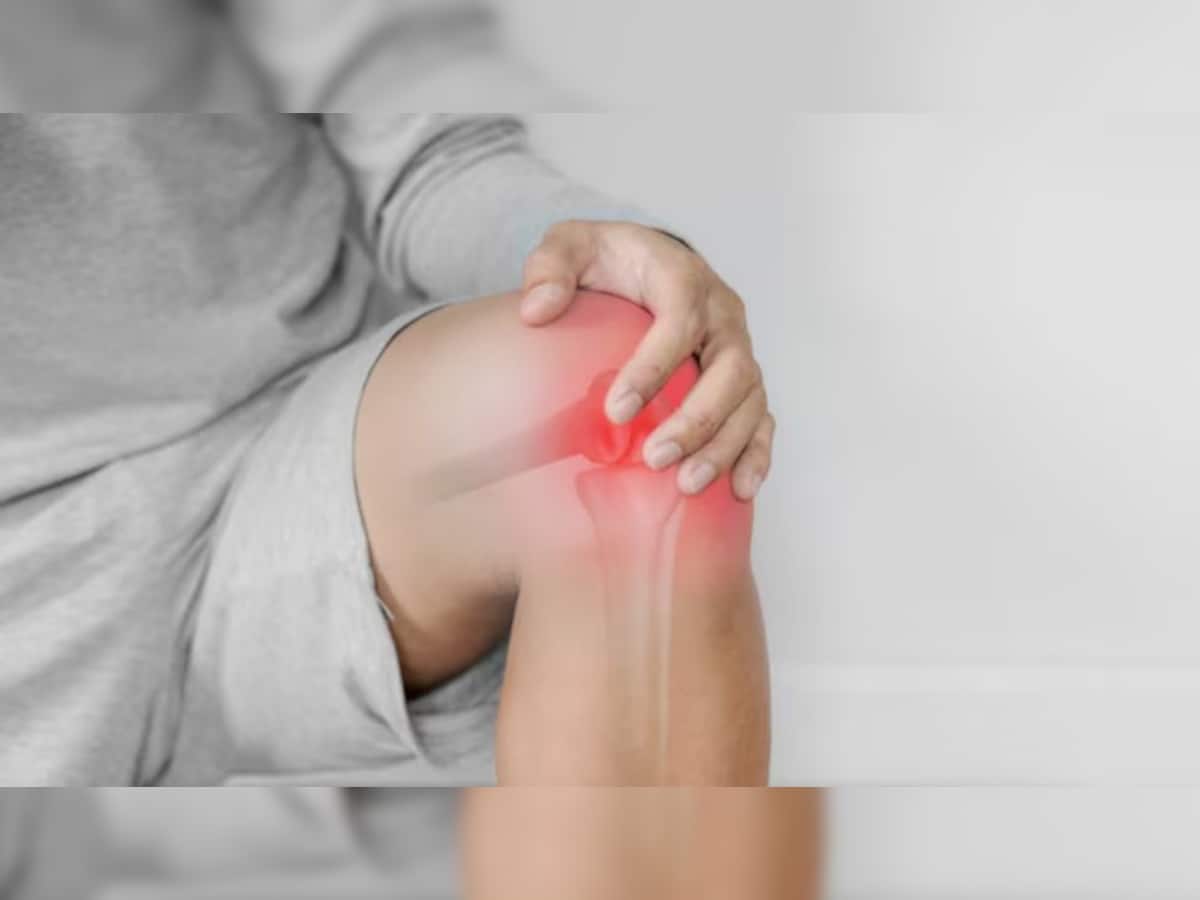
As the national capital enters its harsh winter phase with plunging temperatures and thickening smog, physicians are sounding the alarm on a dual threat to joint health. Over the past two months, consultations for joint pain among patients with chronic arthritis have risen, although specific data quantifying the overall increase in joint cases across Delhi remains unavailable.
A 2025 study published in the European Medical Journal found that long-term exposure to fine particulate matter (PM2.5) increases the risk of developing arthritis by 12–18%, reinforcing concerns that poor air quality and cold weather together can significantly worsen joint pain and inflammation, according to orthopaedic specialists across the Delhi–NCR region.
In many cases, the winter chill causes muscles around joints to tighten, blood flow to slow, and the tissues around the joint to contract. These factors are enough to worsen stiffness in patients with Osteoarthritis (OA) or Rheumatoid Arthritis (RA).
At the same time, air pollution is emerging as a hidden aggravator of these conditions. Studies have shown that prolonged exposure to PM2.5 particles can trigger systemic inflammation, elevate CRP levels, and accelerate joint degeneration. During this season, the combination of poor air quality and cold temperatures also discourages outdoor activity and exercise, leading many individuals to stay indoors and reduce physical movement. This inactivity further contributes to stiffness, swelling, and worsening pain in already vulnerable joints.
Dr. Arvind Mehra, Senior Director & head of Orthopaedics & trauma at Paras Health Gururgram, said, “Over the past several weeks, we’ve seen more arthritis issues, especially with older people and those who already have joint problems. Cold temperatures reduce blood supply around the joints, making them stiffer, while inhaled pollutants stimulate inflammatory pathways that can worsen pain and swelling. For patients with osteoarthritis or rheumatoid arthritis, this combination of cold and toxic air acts almost like a biological stress test on the body. We advise patients to keep themselves warm, handle flare-ups quickly, do light indoor workouts to keep joints moving, and see a doctor when needed. Timely intervention and consistent management are critical to prevent long-term deterioration.”
Dr. Simon Thomas, Director and Head, Robotic Joint Replacement & Reconstruction, Max Healthcare, added, “We have seen how environmental factors, and it is becoming clear that in the hazardous air and our surroundings, really impact joint health. Tiny air particles such as PM2.5 don’t just affect our lungs; they also get into our blood, which can cause body-wide swelling and speed up joint problems. We’ve seen over time that people living in heavily polluted areas tend to heal more slowly after joint surgery and have their joint pain return more often. So, dealing with arthritis in places like northern India means taking care of both medical issues and environmental dangers.”
Managing arthritis during Delhi’s winter now requires an integrated approach that combines medical care, environmental awareness, and lifestyle adjustments. Beyond medication, patients are advised to monitor air quality, stay physically active indoors, use air purifiers, and seek medical advice promptly if stiffness or swelling intensifies.