
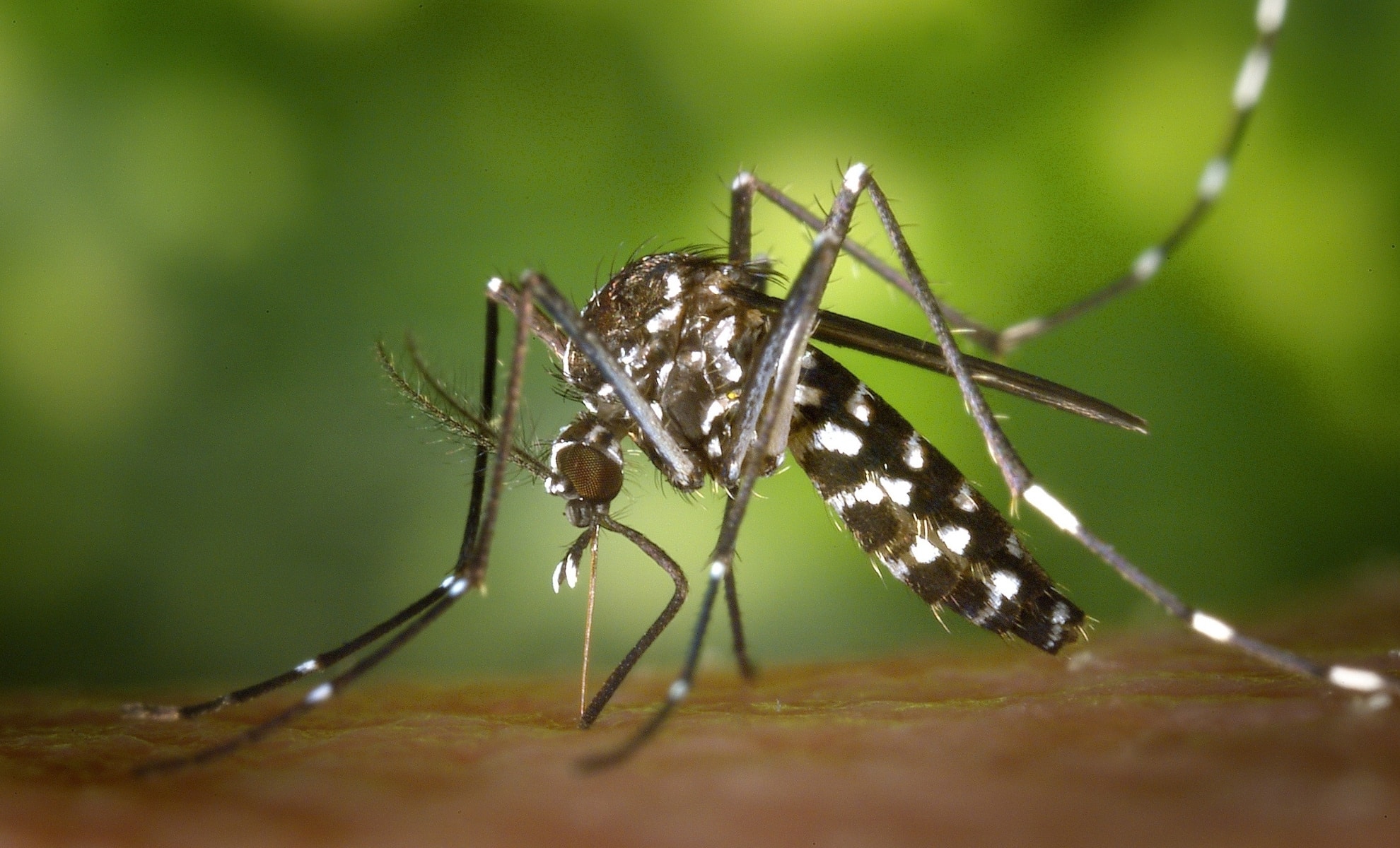
For years, scientists have known that mosquitoes are drawn to humans by factors like carbon dioxide and heat. However, this new research reveals that the real driving force behind mosquito attraction is the mix of chemicals we emit, which serve as a beacon guiding them to us.
The study conducted in Zambia highlights how mosquitoes use human odor to select their targets, with important implications for public health and disease prevention.
Human Scent Guides Mosquito Flight Paths
The research, led by Conor J. McMeniman at the Johns Hopkins Bloomberg School of Public Health (JHBSPH), found that mosquitoes follow human odor with remarkable precision. In a 35,000-cubic-foot outdoor flight cage, mosquitoes were exposed to human scent and tracked their movement. The findings revealed that mosquitoes are not flying randomly but are actively using odor to guide their flight paths. According to the study, the mix of airborne chemicals released from human bodies, rather than heat alone, is the most critical signal, reports Earth.com.
Interestingly, the study, published the journal Cell, in showed that the addition of carbon dioxide, when combined with heat, caused a sharp increase in mosquito landings on the targets. However, human odor, which includes volatile organic compounds like ammonia and lactic acid, produced far more landings than carbon dioxide on its own. These findings highlight the crucial role of scent in mosquito behavior, suggesting that mosquitoes are first attracted by odors from a distance, with temperature and carbon dioxide helping finalize their landing once they are close enough.

Why Some People Attract More Mosquitoes Than Others
Not everyone is equally attractive to mosquitoes, and the reasons for this lie in the chemical composition of their skin odors. The research found that certain individuals emitted higher levels of specific skin acids, such as carboxylic acids, which mosquitoes are particularly drawn to. These compounds, when combined with other body odors, form a distinctive chemical signature that mosquitoes can follow. According to the study, individuals who produced higher levels of these acids were consistently chosen by mosquitoes during repeated tests.
In contrast, those who emitted higher levels of other compounds, such as eucalyptol, were less likely to attract mosquitoes. This suggests that the mosquito preference for certain individuals is linked to the specific balance of chemicals they produce. These findings provide new insight into why some people tend to get bitten more often than others. Researchers have identified that skin acids play a central role in mosquito attraction, and this could lead to personalized strategies for mosquito prevention.
Potential Applications for Mosquito Control
The implications of this study go beyond understanding mosquito behavior; they could help improve mosquito control methods and reduce the spread of diseases like malaria. One of the potential applications of these findings is the development of mosquito lures that mimic the most attractive human odors. These lures could draw mosquitoes away from people and into traps, providing a more targeted approach to mosquito control.
Furthermore, altering human scent profiles to make people less attractive to mosquitoes could become a new method of protection. The study suggests that diet and other factors might influence the specific chemicals humans emit, making it possible to reduce one’s appeal to mosquitoes. Additionally, the research points to the possibility of creating repellents that block the mosquito’s ability to detect the specific odors that guide them to human hosts.
These new insights could lead to innovative approaches for controlling mosquito populations and preventing the transmission of diseases. Public health initiatives could use this information to focus resources where they are needed most, such as in areas with high rates of malaria transmission. By combining this knowledge with existing methods like bed nets and indoor spraying, communities can better protect themselves from mosquito-borne diseases.