
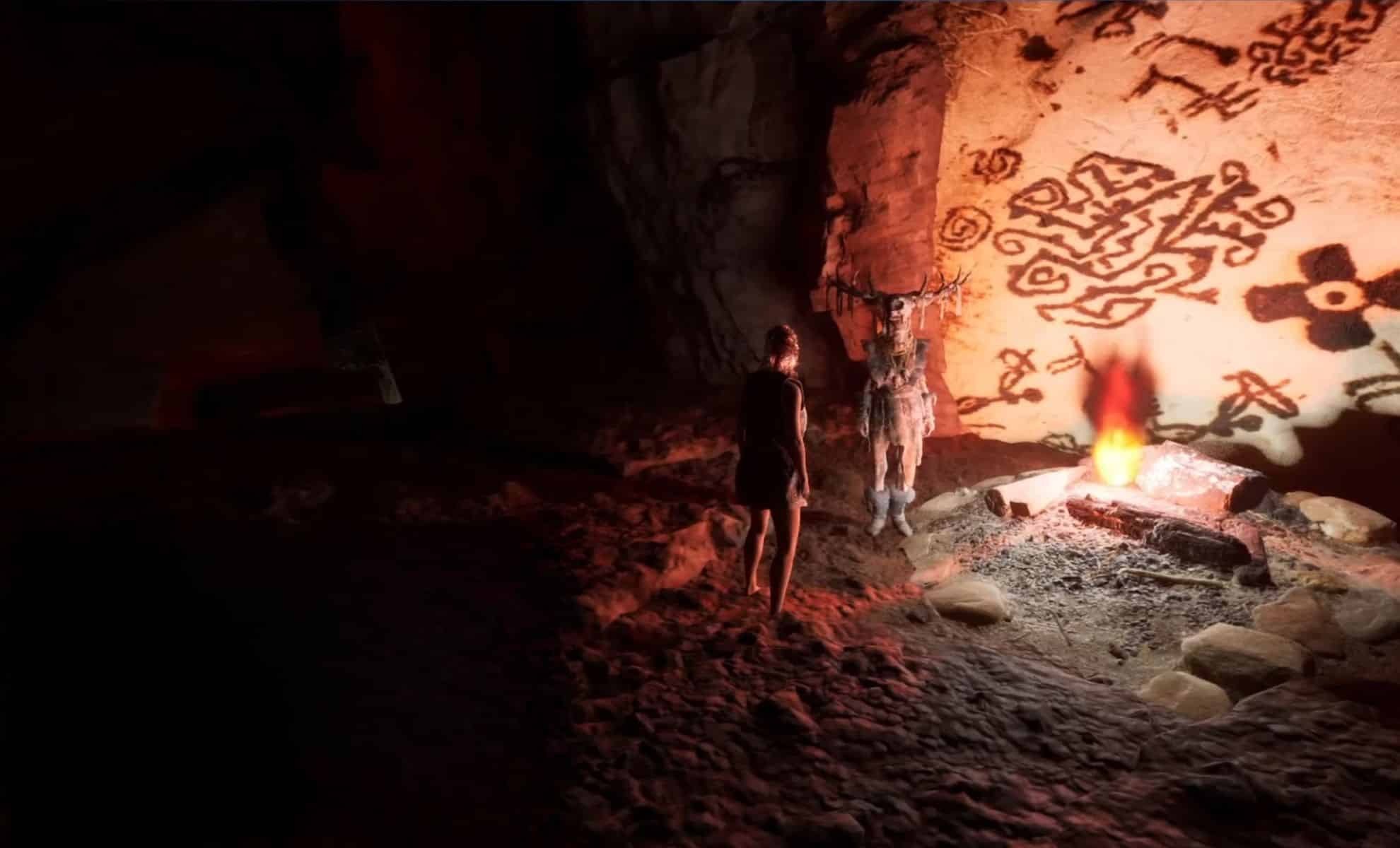
For years, museums and heritage institutions have been experimenting with digital tools to showcase cultural history. However, until now, creating immersive, educational content about the past required significant financial investment and specialized labor. This new initiative challenges that norm, demonstrating how AI-driven game development can make historical storytelling more accessible to smaller institutions and individual researchers.
Building a New Kind of Archaeological Game
The game developed by the researchers is based on the “Deep Histories of Migration” project, which explores the Neolithic period in Northern Europe. Players step into a 3D world where they can explore the reconstructed burial site of long dolmens, stone structures that were used for burials thousands of years ago. According to Mikkel Nørtoft, an archaeologist at the University of Copenhagen, the game was built using Unreal Engine, an open-source game development platform, along with Convai, a cloud-based service that powers AI-driven character interactions.
Unlike traditional games, which rely on static scripts, this game uses generative AI to create dynamic, unscripted conversations with the player. The characters, such as an archaeologist and a Stone Age woman, can respond in real-time based on prompts and the researchers’ accumulated knowledge. This method allows the game to feel both natural and responsive, offering players a unique way to interact with the past. Researchers can also update the characters’ backstories as new findings emerge, ensuring the content stays academically accurate and up-to-date.
Empowering Museums and Heritage Institutions
One of the key advantages of this project is its accessibility. By using tools like Unreal Engine and Convai, researchers and museums can create engaging, educational experiences without needing large budgets or specialized game developers. The game is built on are latively low-cost setup, with hardware requirements that are within reach for many institutions. According to Nørtoft, a standard gaming PC with an RTX 3060 or higher GPU and 32GB of RAM is sufficient to run the game, with the total estimated cost for such a setup being around $1,300–$1,500.

For those who want to develop their own digital experiences, the project shows that creating a simple game scenario can be learned quickly. With free tools like Blender for 3D modeling and Convai’s free plan offering 100 interactions per month, many institutions and individuals can start experimenting with game development on a small scale. Convai’s pricing model includes a free plan for limited use, with paid plans that offer more interactions and additional features like long-term memory and advanced voice capabilities.
A New Era for Digital Cultural Heritage
This project is part of a broader shift in how cultural heritage is communicated and preserved in the digital age. In the past, creating digital reconstructions of archaeological sites was a complex and expensive task, often limited to large institutions or commercial game studios. However, the researchers’ work demonstrates that it is now possible to create rich, interactive experiences on a much smaller budget. As AI technology improves, the possibilities for immersive digital storytelling in archaeology continue to grow.

The use of Convai in the game is particularly noteworthy. It provides AI-powered non-playable characters (NPCs) that can converse with players in a natural, unscripted manner. The characters’ backstories are stored in a “knowledge bank” and can be easily updated as new research emerges. This makes the game highly flexible, allowing researchers to refine the educational experience over time. Players can ask the characters questions about the Neolithic period and receive responses based on the researchers’ accumulated knowledge, providing an interactive way to learn about history.
As AI and game development tools become more accessible, the potential for creating educational games about the past is limitless. The use of generative AI for historical storytelling marks a new chapter in how we can engage with and learn about cultural heritage. It provides a glimpse into the future of archaeology and heritage dissemination, where the power to bring the past to life is no longer confined to large commercial studios but is accessible to everyone with the right tools.