
Sitamarhi in Bihar is grappling with one of its most alarming public health emergencies after official records confirmed that more than 7,400 people have tested HIV-positive, including over 400 children believed to have contracted the virus from infected parents. The ART Centre at the district hospital, already overwhelmed, is witnessing a massive rise in daily cases.
Doctors say that most infections involve families where one or both parents are HIV-positive, leading to transmission during childbirth. Despite years of awareness campaigns, experts admit that public understanding of HIV remains dangerously low.
“This is not a disease that spreads through coughing. It spreads through blood transfusion or reuse of needles,” said Dr J. Javed, Assistant Civil Surgeon and HIV Nodal Officer. He added that 250-300 patients visit daily for medication and care, with 6,707 currently under treatment at the centre.
Why Are HIV Cases Surging in Sitamarhi?
Health authorities highlight multiple social factors behind the rising infections:
1. Lack of pre-marital health screenings
2. Large-scale migration, increasing exposure risks
3. Low awareness about the dangers of HIV transmission
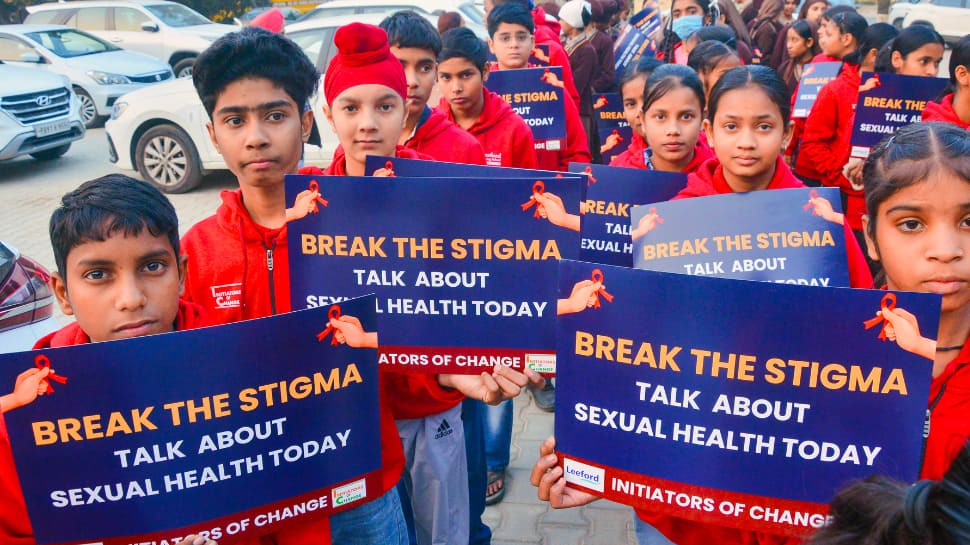
4. Fear and stigma prevent people from seeking testing
5. Unsafe sexual and medical practices are still prevalent in many communities
The administration has now launched intensive awareness drives to encourage early testing and safer practices.
What Is HIV?
HIV, or Human Immunodeficiency Virus, attacks and weakens the immune system by destroying CD4 (T-helper) cells, the body’s frontline defenders. If untreated, HIV progresses to AIDS, the most advanced and life-threatening stage.
Because HIV inserts its genetic code into human DNA, it is classified as a retrovirus.
How HIV Damages the Body?
HIV spreads silently inside the body:
1. It infects and destroys CD4 cells
2. The immune system weakens over time
3. Early symptoms often resemble the flu
4. The virus can stay hidden for years
When CD4 levels drop drastically, the body becomes vulnerable to severe infections, marking the onset of AIDS
Early Signs of HIV You Should Never Ignore
Don’t ignore these early warning signs of HIV:
1. Fever
2. Chills
3. Persistent fatigue
4. Sore throat
5. Muscle aches
6. Night sweats
7. Skin rash
8. Swollen lymph nodes
9. Mouth sores
These symptoms do not confirm HIV but demand immediate testing, especially if risk factors are present.
How HIV Spreads?
Doctors emphasise that HIV spreads through specific body fluids of an infected person:
1. Blood
2. Semen
3. Vaginal fluids
4. Breast milk
5. Rectal fluids
6. Transmission occurs via:
7. Unprotected sexual contact
8. Sharing needles or injection equipment
9. Contaminated blood transfusion
10. From mother to child during pregnancy, delivery, or breastfeeding
11. Contact with open wounds or broken skin
HIV cannot enter through intact skin or casual contact such as hugging, touching, or sharing utensils. Sitamarhi’s sudden spike in infections is a stark reminder that awareness, testing, and safe practices remain the strongest defence against HIV, a virus that is preventable, manageable, and treatable when caught early.