
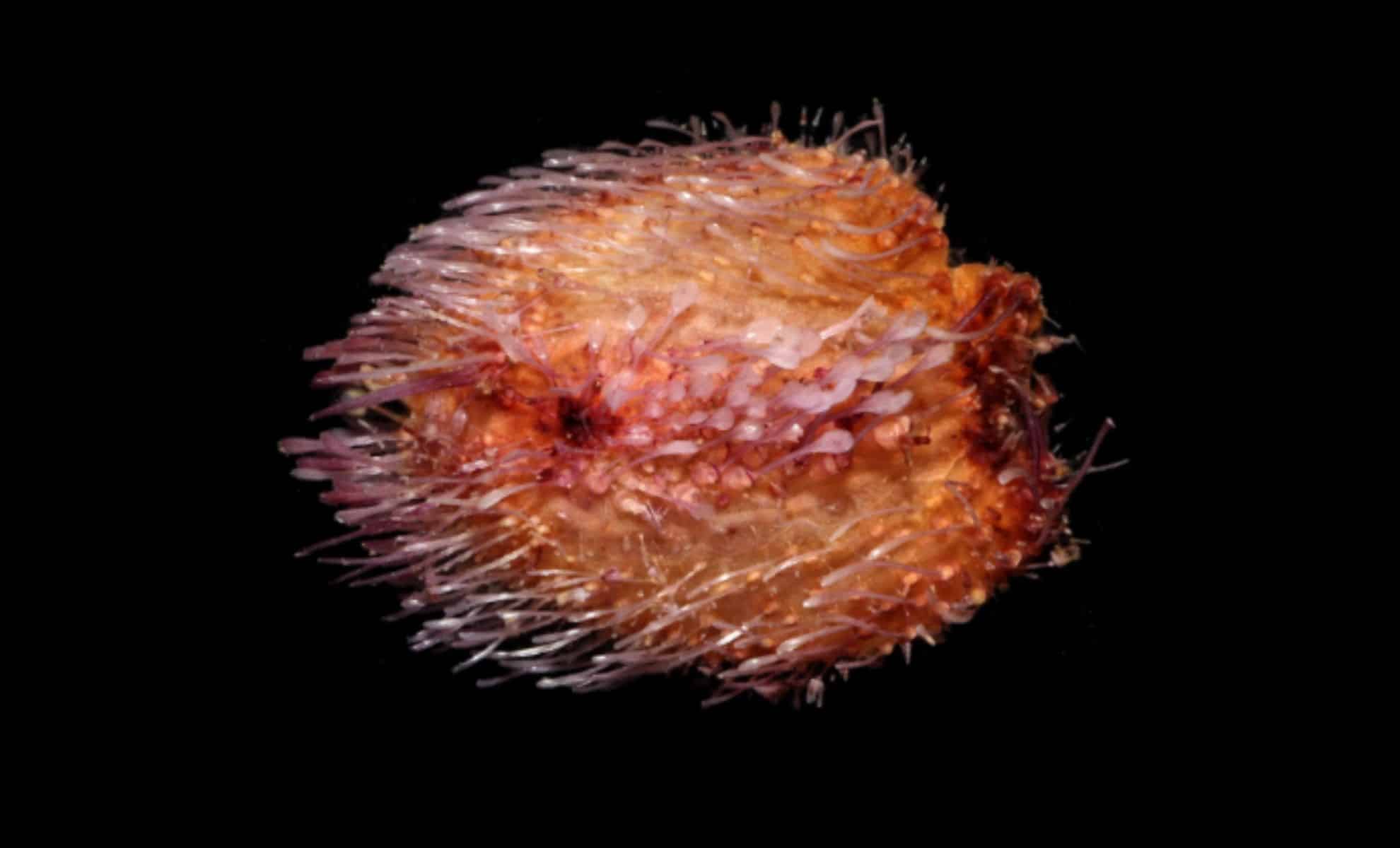
This international study, which aimed to map life in one of the least explored areas of Earth, shows both the richness of deep-sea ecosystems and the risks posed by mining operations. The research, conducted in the Clarion-Clipperton Zone (CCZ) between Mexico and Hawaii, is a crucial step in understanding how seabed mining might affect the delicate life forms that inhabit the ocean floor.
Mining and the race for critical metals
The global demand for metals like nickel, cobalt, and copper, key components in technologies such as electric vehicles and renewable energy systems, has spurred interest in deep-sea mining. The CCZ, which spans over six million square kilometers, is rich in polymetallic nodules containing these metals. Marine biologist Thomas Dahlgren from the University of Gothenburg explains that these metals are crucial for the green energy transition but are also in short supply, with large quantities found on the deep-sea floor.
However, mining these resources presents significant environmental risks, and until now, little has been known about the impact of such activities on marine life. For the past five years, scientists have been studying the biodiversity of the CCZ to assess the potential consequences of large-scale mining. Their findings revealed 788 previously unknown species, including marine bristle worms, mollusks, and crustaceans, but also a stark decline in species diversity in areas disturbed by mining.
Ecological disturbance from mining vehicles
The mining test involved a machine designed to collect polymetallic nodules from the ocean floor. The results were significant: the number of animals in the mining tracks was reduced by 37%, and species diversity dropped by 32%. The mining vehicle, which removes the top layers of sediment, directly affects the creatures living in these layers. Dr. Eva Stewart, a researcher at the Natural History Museum of London, emphasized that the loss of these animals is tied to the disturbance of their habitat, where most of the marine life resides.

Interestingly, areas affected by sediment plumes did not show a decrease in animal abundance, suggesting that the immediate impact of the mining vehicle was more severe than the effects of sediment displacement. Dr. Adrian Glover from the Natural History Museum noted that while the immediate disturbances were significant, the long-term effects, including potential recovery, are still unclear.
Surprising biodiversity in extreme conditions
Despite the harsh conditions at 4,000 meters depth, total darkness, extreme pressure, and nutrient scarcity, the researchers uncovered a rich diversity of life. Samples from this area contained fewer animals than similar samples from more productive regions like the North Sea, but the species identified in the study were remarkably diverse. The team cataloged 788 species, most of which had never been described before. This discovery challenges previous assumptions about deep-sea ecosystems, which were once believed to be barren.

The unexpected biodiversity highlights the need for further research into these underexplored ecosystems. According to the study, most of the species found in the area were new to science, underscoring the vast unknowns of the deep ocean. As researchers continue to explore these ecosystems, the need to understand the potential risks of mining becomes even more pressing.
A cautious path forward for deep-sea mining
As the global demand for deep-sea metals continues to rise, the environmental impacts of seabed mining must be carefully considered. This study, one of the most extensive of its kind, provides a baseline for understanding how mining operations affect the biodiversity of the ocean floor. While the immediate effects of the mining test were concerning, scientists caution that more research is needed to assess the long-term consequences.
The International Seabed Authority, which governs mining activities in international waters, has yet to approve large-scale mining. As Thomas Dahlgren points out, this study is just the beginning of the effort to understand the environmental risks associated with seabed mining. With additional research needed on the biodiversity of the protected zones in the CCZ, scientists stress the importance of continued monitoring to ensure that resource extraction does not come at the cost of irreplaceable marine life.