
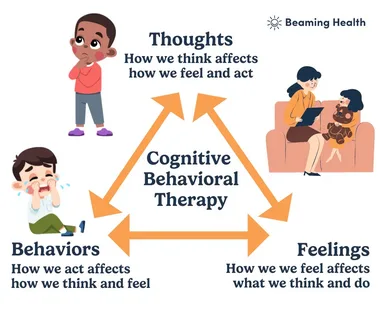
Starting the journey toward emotional well-being often involves understanding the power of behavioral therapy. This evidence-based approach focuses on identifying patterns in thoughts, emotions, and behaviors, offering practical strategies to replace unhelpful habits with healthier ones. For individuals struggling with anxiety, depression, stress, or other mental health concerns, behavioral therapy provides a structured and supportive pathway to lasting personal growth.
Behavioral therapy has evolved significantly over the years, allowing people to address a wide range of emotional and psychological concerns. Whether someone is dealing with anxiety, depression, trauma, stress, relationship difficulties, or unhealthy habits, behavioral therapy introduces practical tools to create meaningful change. Its structured, solution-focused format gives clients the ability to understand their challenges and develop healthier responses without getting lost in overwhelming emotion.
Understanding the Foundation of Behavioral Therapy
At its core, behavioral therapy focuses on the relationship between actions, emotions, and learned patterns. It operates on the principle that behaviors are learned over time, meaning they can also be unlearned or reshaped into healthier forms. This therapeutic style does not rely on vague interpretations or abstract theories; instead, it emphasizes strategies that can be applied immediately in daily life.
Modern behavioral therapy is influenced by decades of psychological research, incorporating insights from classical conditioning, cognitive psychology, and neuroscience. It teaches clients to identify triggers, break down emotional reactions, and replace negative habits with behaviors that support their goals. This practicality makes it a strong choice for people who want structured guidance and clear progress markers.
How Behavioral Therapy Creates Real Change
The strength of behavioral therapy lies in its ability to offer clarity. Many individuals enter therapy feeling overwhelmed by cycles of stress, negative thinking, or emotional turmoil. Behavioral therapy breaks these patterns down into understandable pieces, making change feel achievable instead of intimidating.
Therapists often begin by helping clients identify the situations that contribute to unwanted behaviors or emotional reactions. This can include thoughts, environments, relationships, or habits that reinforce challenges. Once these patterns are mapped out, individuals gain insight into how their mind responds to stressors and what can be done differently.
Over time, behavioral therapy helps people build emotional awareness while teaching them how to respond to triggers with greater confidence and self-control. This process strengthens resilience and creates long-term emotional stability.
Key Methods Used in Behavioral Therapy
Although behavioral therapy includes multiple tools and techniques, several commonly used methods stand out for their effectiveness. These methods are often adapted based on individual needs, ensuring therapy remains personalized and relevant.
Cognitive Restructuring
This technique focuses on identifying and reframing unhelpful thoughts. Many people experience automatic negative thinking without realizing how much it affects their mood and behavior. Cognitive restructuring teaches individuals to challenge distorted beliefs and replace them with balanced, realistic alternatives.
Exposure-Based Approaches
For people dealing with fear, anxiety, or avoidance, exposure methods provide gradual, controlled experiences that reduce emotional reactivity over time. This technique retrains the brain to feel safe in situations that once triggered overwhelming feelings.
Behavioral Activation
Often used in depression treatment, behavioral activation helps clients re-engage with meaningful activities, routines, and responsibilities. It encourages positive action even when motivation is low, helping break cycles of isolation and inactivity.
Skills Training
Therapists may incorporate communication skills, emotion regulation tools, relaxation strategies, or problem-solving techniques. These skills give individuals the confidence to navigate stressful situations with more stability.
Behavioral Therapy for Anxiety and Stress
Anxiety and chronic stress are some of the most common issues addressed through behavioral therapy. Many individuals carry persistent fears, worries, or tension that interfere with daily life. Behavioral therapy helps reduce these experiences by targeting the root causes of anxious reactions and teaching healthier coping mechanisms.
Through structured sessions, clients learn to recognize anxious thoughts, challenge them with evidence-based reasoning, and gradually face situations that once felt overwhelming. Over time, these skills help reduce physical symptoms of stress, such as restlessness, irritability, fatigue, and emotional sensitivity.
Behavioral Therapy for Depression and Low Motivation
Depression can make even the simplest tasks feel difficult. Behavioral therapy addresses this by focusing on action-driven change. Instead of waiting for motivation to return naturally, therapy encourages small, manageable steps that gradually rebuild energy and emotional resilience.
By reconnecting individuals with meaningful routines, social engagement, and personal goals, behavioral therapy supports steady improvement in mood and daily functioning.
Improving Relationships Through Behavioral Approaches
Relationships—whether with partners, family members, or coworkers—play a major role in emotional health. Behavioral therapy helps individuals understand how their communication patterns, reactions, and expectations contribute to relational stress. It introduces healthier ways to express needs, set boundaries, and respond during moments of conflict.
When applied regularly, these tools foster healthier, more supportive connections in personal and professional environments.
Behavioral Therapy and Habit Change
Many people struggle with habits that negatively impact their lives, such as procrastination, emotional eating, avoidance, or impulsive behaviors. Behavioral therapy provides structured techniques to modify these habits by identifying triggers, breaking old patterns, and reinforcing healthier actions.
These strategies help individuals regain control over their daily choices, leading to improved wellbeing, productivity, and self-discipline.
Building Long-Term Emotional Resilience
One of the most powerful benefits of behavioral therapy is its focus on long-term resilience. Instead of offering short-term relief, it equips individuals with tools they can use throughout their lives. Many clients report feeling more confident, self-aware, and capable of handling future stressors long after therapy concludes.
This lasting impact makes behavioral therapy an especially valuable choice for people seeking meaningful emotional change.
Why Professional Support Matters
While self-help strategies can be beneficial, working with a trained behavioral therapist ensures that treatment is personalized and effective. Professional clinicians understand how to guide clients through complex emotions, identify hidden patterns, and tailor techniques to individual needs.
A supportive therapeutic environment also helps clients stay accountable, motivated, and focused on long-term goals. With consistent guidance, individuals can progress through challenges more smoothly and with greater clarity.
Is Behavioral Therapy Right for You?
Behavioral therapy is suitable for a wide range of individuals, from those facing severe emotional difficulties to those seeking personal growth. If you are navigating stress, anxiety, depression, relationship struggles, unhealthy habits, or emotional instability, this approach may offer the clarity and skills you need.
Therapy is not about perfection—it is about progress. Behavioral therapy focuses on achievable steps that help individuals build a more stable, fulfilling life.
Final Thoughts: Moving Forward with Behavioral Therapy
Behavioral therapy continues to stand out as one of the most effective and accessible pathways to personal growth. Its structured, evidence-based methods give individuals the tools they need to understand their emotions, modify unwanted behaviors, and build a healthier future. With the right support, anyone can learn to navigate life with greater confidence and emotional balance.
For those seeking professional care, Treat Mental Health Washington offers comprehensive therapeutic services, experienced clinicians, and a compassionate environment designed to support meaningful healing. Their commitment to personalized care ensures that each client receives the guidance they need to move forward with strength and clarity.