
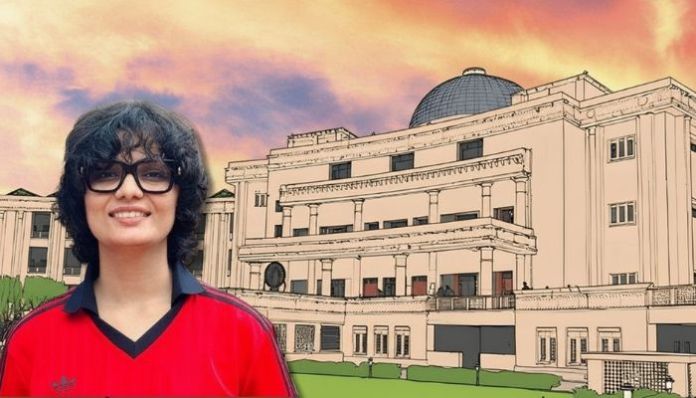
The Allahabad High Court has rejected the anticipatory bail application of Bhojpuri folk singer Neha Singh Rathore on 5th December in a case related to her social media posts about the Pahalgam terror attack and comments on Prime Minister Narendra Modi.
'X' Posts On Pahalgam Attack 'Against PM', His Name Used Disrespectfully: Allahabad HC Denies Anticipatory Bail To Singer Neha Rathore | @ISparshUpadhyay #AllahabadHighCourt #PrimeMinister #NarendraModi @nehafolksinger #PahalgamTerroristAttack https://t.co/3pgD9RkySj
— Live Law (@LiveLawIndia) December 5, 2025
Court rejects the bail request
A bench led by Justice Brij Raj Singh said that Neha Rathore’s posts on X tweets were directed against the Prime Minister and disrespectfully used his name. The court acknowledged the right to freedom of speech under Article 19 of the Constitution, but clarified that this freedom has reasonable limits to maintain public order and decency.
The judge pointed out that Rathore made these posts at a very sensitive time, just after the tragic Pahalgam attack on April 22, 2025, when national security was under threat. The court emphasised the importance of respecting the country’s unity and the dignity of its leaders during such times and hence declined her plea for anticipatory bail.
FIR filed following the Pahalgam terror attack
The case traces back to the terrorist attack in Pahalgam, Jammu and Kashmir, where 26 tourists were killed by a Pakistani terrorist. After the attack, Neha Singh Rathore shared posts and videos on her Twitter account criticising the government’s actions. She suggested that the Prime Minister’s visit to Bihar was more about gaining votes under the guise of nationalism rather than addressing real issues.
She also wrote that the ruling party was trying to push the country towards war instead of focusing on finding terrorists or admitting mistakes. These posts were seen by the authorities as harmful to national unity and were said to provoke religious and caste-based divisions.
Arguments from both sides
Rathore’s lawyer, Senior Advocate Purnendu Chakravarty, argued that her posts reflected dissent and criticism of the government, which is protected under freedom of expression. He cited a Supreme Court ruling to highlight that expressing views is a fundamental right necessary for a dignified life.
On the other hand, government lawyers said the Supreme Court had already refused to entertain her earlier plea and had asked her to deal with these issues at the stage of framing charges. They accused her of deliberately avoiding police investigations and claimedshe intended to create communal hatred and harm the Bharatiya Janta Party and the Prime Minister’s image.
The state also pointed out that her posts reached audiences in Pakistan, where they were used to push anti-India narratives.
Court highlights disrespect and security concerns
In its detailed 14-page order, the court examined the content of her tweets, noting they disrespected the Prime Minister and were made at a moment when the country’s security was at risk. The court also questioned the maintainability of her plea, stating she should have first approached the Sessions Court according to earlier legal precedents.