
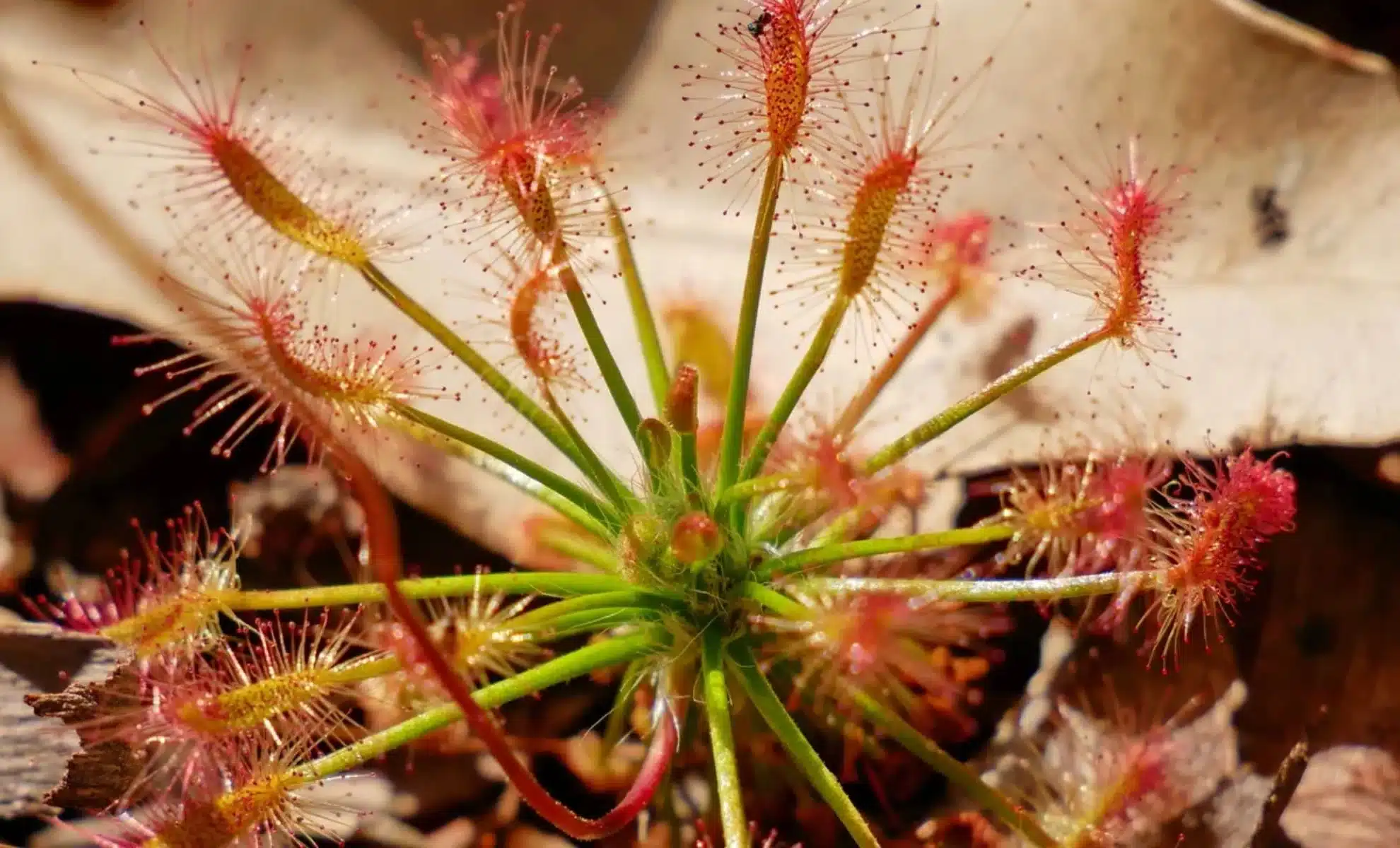
Drosera silvicola, a type of pygmy sundew, is known for its beautiful pink flowers and its method of capturing and digesting insects to obtain essential nutrients. Until now, the plant had only been confirmed in a few locations in Western Australia, where habitat loss and mining activities threatened its survival. But a recent expedition has brought a much-needed ray of hope for the rare species, showing that D. silvicola may not be as doomed as once feared.
The plant’s remarkable find comes at a time when experts are becoming increasingly concerned about the vulnerability of many unique Australian species. Conservationists are hopeful that this discovery could lead to more targeted efforts to protect other endangered species found in the area.
The Discovery: A Thrilling Moment in Conservation
The breakthrough moment came after a long, two-day search in the Paruna Wildlife Sanctuary, a protected area along the Avon River east of Perth. The team, which included researchers from Curtin University and the Australian Wildlife Conservancy (AWC), had nearly given up when they decided to take a detour, following instincts that led them to the right habitat.
“I was so excited when I first spotted the plant out of the car window, I jumped out of the door, fist pumping the air, and threw myself on the ground next to it,” said Thilo Krueger, a PhD student at Curtin University and an expert on carnivorous plants.

The team quickly realized they had stumbled upon thousands of these small yet distinctive plants, each with pink,glossy flowers and dark red centers. According to Krueger, the conditions of the area – ridges, slopes, and very little leaf litter – made it an ideal environment for D. silvicola, a plant that thrives in open spaces with nutrient-poor soils.
A Rare Find in a Protected Area
D. silvicola is listed as a Priority 1 species by the Western Australian Department of Biodiversity, Conservation, and Attractions (DBCA), which marks it as extremely rare and in need of urgent conservation action. Prior to this discovery, the species was only known from two other vulnerable populations, one located on a mining site and another in a mining tenement, making them highly susceptible to further damage. The healthy new population found in Paruna is especially important because it is within a protected conservation area, offering a safer environment for the species to thrive.
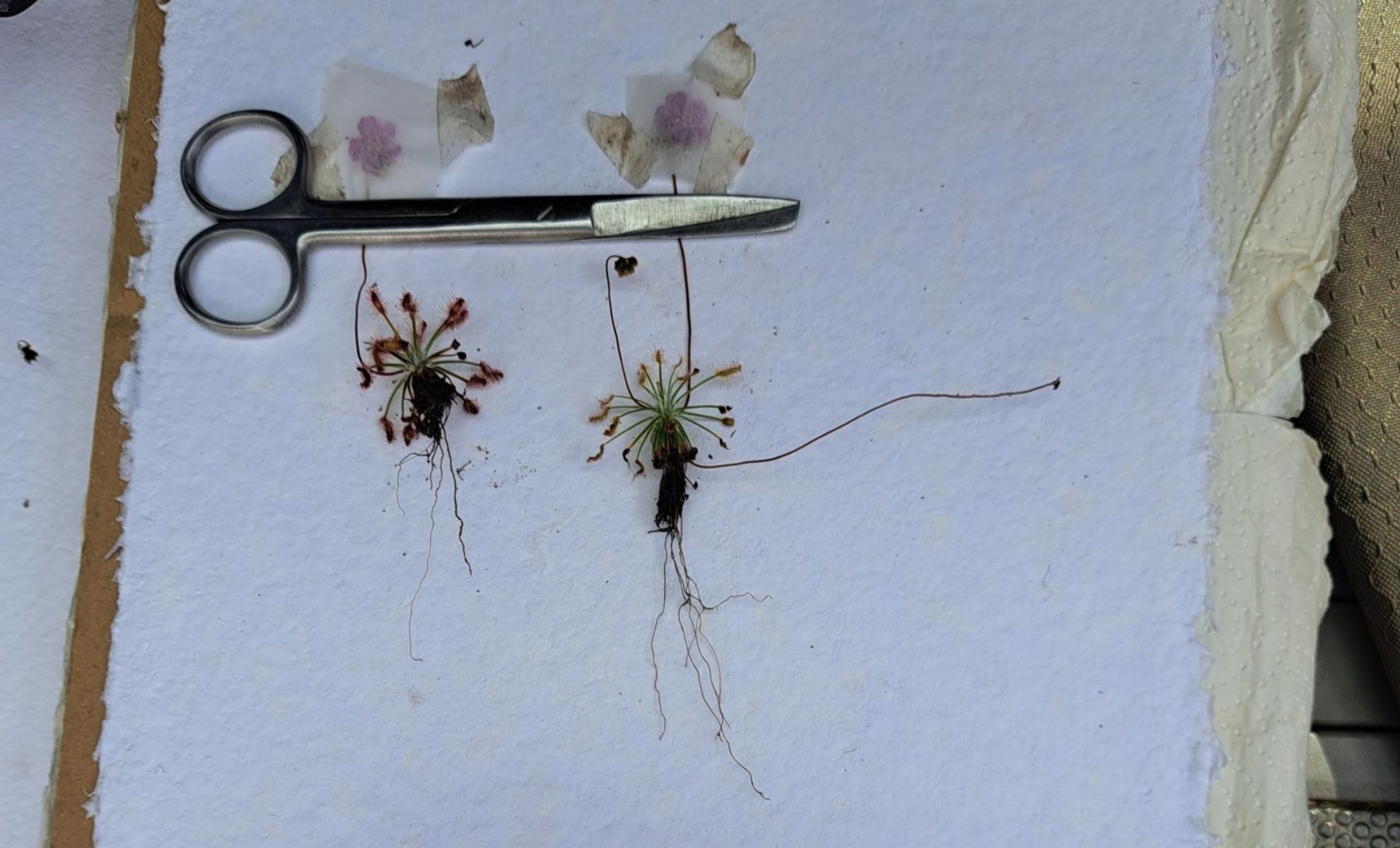
“The discovery highlights the importance of wildlife sanctuaries like Paruna in preserving Australia’s unique biodiversity.” said Dr. Amanda Bourne, regional ecologist with AWC. Experts agree that Paruna, with its diverse landscape, may hold many more rare plant species waiting to be discovered.
South West Australia’s Carnivorous Plant Haven
South Western Australia is a hotspot for carnivorous plants, with over 150 species recorded in the region. Many of these species, including D. silvicola, are confined to very small and fragile habitats, making them especially vulnerable to climate change and habitat loss. During their survey, the researchers encountered six different sundew species, including Drosera walyunga, Drosera hyperostigma, and Drosera glanduligera.
Experts from the Wildflower Society of WA believe that Paruna’s relatively undisturbed habitats may serve as a treasure trove for rare plant species, including many that have yet to be identified. “Discoveries like this underscore just how much we still have to learn about the plant life in our own backyard, and how vital it is to protect these landscapes,” said Jolanda Keeble from the Wildflower Society.
The thriving Drosera silvicola population in Paruna offers a small but hopeful sign that efforts to protect rare species can lead to positive outcomes, and researchers will continue to monitor the area in the coming months to study the plant’s development.