
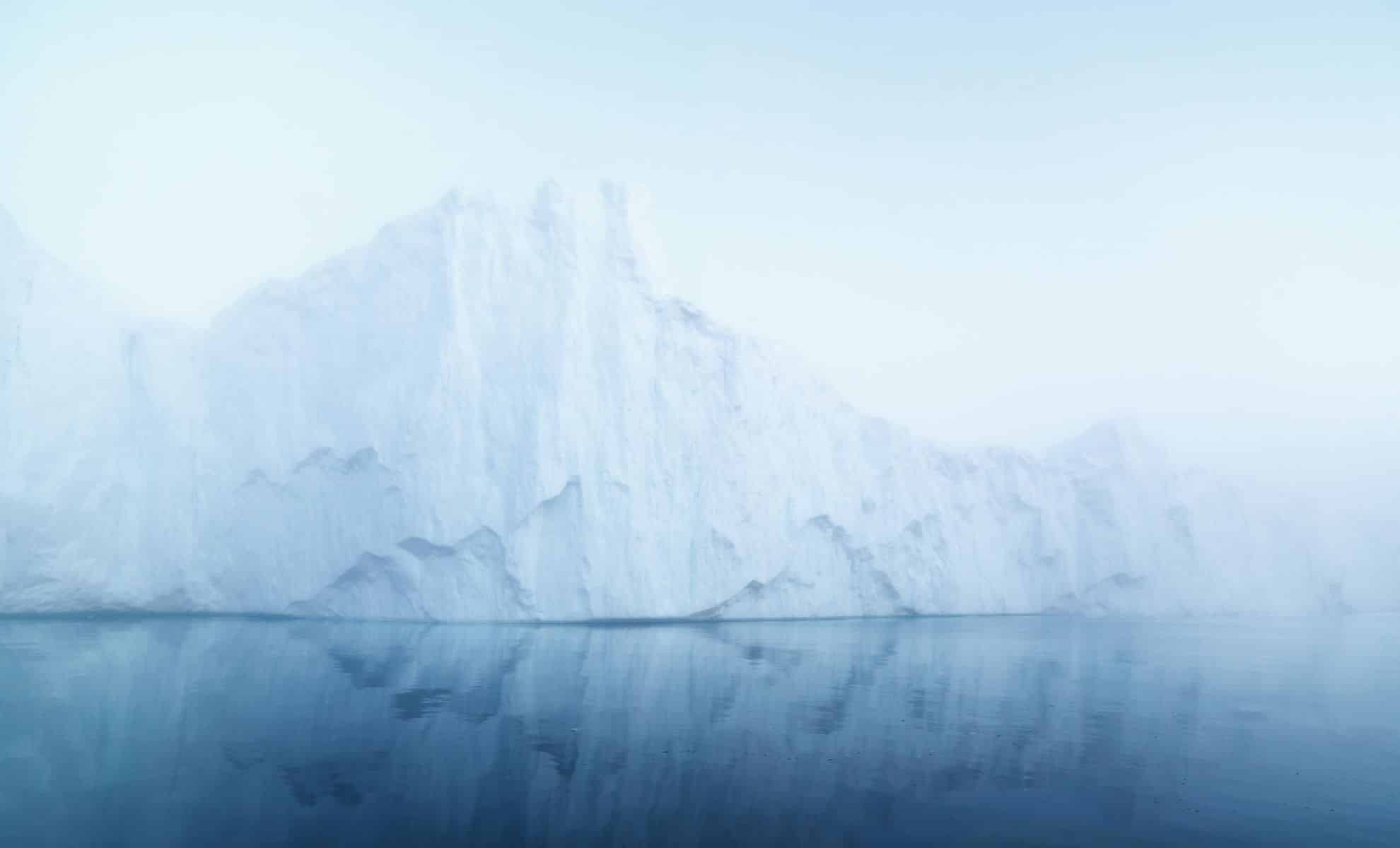
Thwaites Glacier in West Antarctica, known for its potential to dramatically raise sea levels, has long been a focus of global attention. In recent years, researchers have closely monitored the behavior of the Thwaites Eastern Ice Shelf (TEIS), which plays a crucial role in stabilizing the glacier. As it breaks apart, the implications for future sea levels become even more uncertain. A new study, published in the Journal of Geophysical Research: Earth Surface, presents the most comprehensive analysis yet of this ongoing collapse. The research is based on over 20 years of satellite observations, ice-flow speed measurements, and GPS data.
The Thwaites Glacier is often referred to as the “Doomsday Glacier” due to its vast potential to raise sea levels by 65 centimeters if it melts completely. The TEIS, which helps hold the glacier in place, is increasingly fractured, making the glacier more vulnerable to rapid melting. According to the study, this weakening process is not only accelerating but could also set off similar changes in other Antarctic ice shelves.
Fractures Expand in Two Distinct Phases
The fractures in the Thwaites Eastern Ice Shelf are the main culprit behind its destabilization. According to the study, these fractures have expanded in two phases over the past two decades. Initially, long fractures aligned with the direction of ice flow appeared. Later, smaller fractures formed, cutting across the flow. This progression has undermined the structural integrity of the shelf, allowing ice to move more quickly and weakening its attachment to its pinning point. This detachment has significantly reduced the mechanical stability of the ice shelf, triggering an accelerated breakdown of its structure.

Scientists tracked the evolution of these fractures using a combination of satellite imagery and on-the-ground GPS data. The data show that the initial long fractures were followed by a rapid increase in the number of shorter fractures. This shift suggests a growing vulnerability in the ice shelf, as the cracks not only increase in number but also affect larger portions of the shelf.
The Role of the Pinning Point
The pinning point, once a stabilizing force for the Thwaites Eastern Ice Shelf, has shifted to a destabilizing factor. Historically, the pinning point, located at the northern edge of the TEIS, played a crucial role in holding the ice shelf in place. However, as fractures have spread upstream, the pinning point has become less effective at stabilizing the shelf. The ongoing loss of attachment has allowed the ice to move more quickly, contributing to the acceleration of the ice flow and further destabilizing the shelf.
The study notes that the shift from stabilizing to destabilizing behavior of the pinning point is a significant development. As the ice shelf detaches from its grounding, it becomes more susceptible to additional forces, such as ocean-driven basal melting, which can further accelerate the loss of ice. Researchers have warned that this change could set a dangerous precedent for other ice shelves, which could also face similar destabilizing shifts.
A Self-Amplifying Feedback Loop
A critical finding in the study is the identification of a self-reinforcing feedback loop driving the ice shelf’s collapse. As the fractures expanded, they caused the ice to flow more rapidly, which in turn led to more fractures and further weakening. This positive feedback cycle has accelerated the disintegration of the TEIS, creating a situation in which the ice shelf’s structural decline is directly linked to its own increased movement. According to the researchers, this feedback mechanism could play a key role in the shelf’s continued degradation, as the accelerating ice flow further increases the damage.

The study’s findings highlight a dynamic that could have broader implications for other Antarctic ice shelves facing similar threats. As ice shelves break apart and their stability weakens, the entire ice sheet becomes more vulnerable to rapid retreat. This could have far-reaching consequences for global sea levels, as the collapse of ice shelves like the TEIS could directly influence the melting of the grounded ice sheet.