
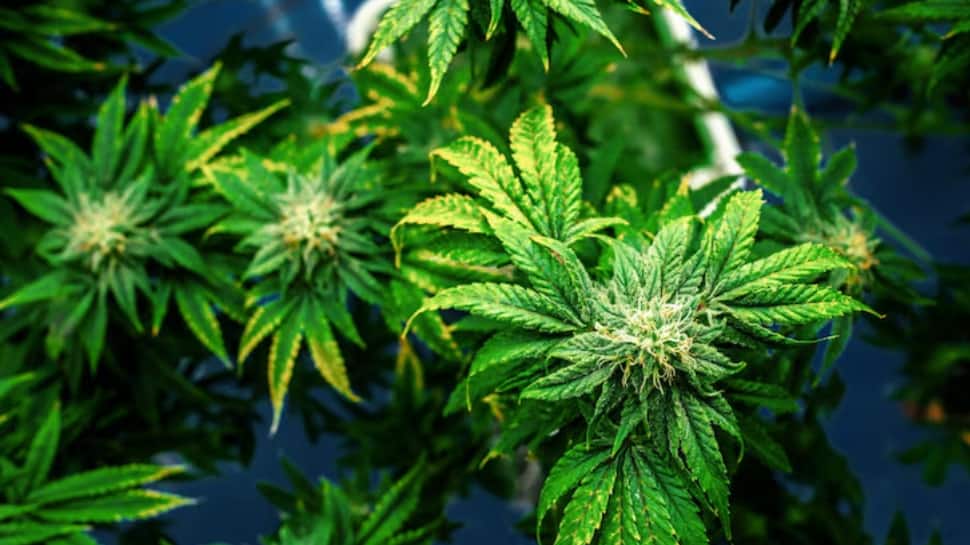
‘Scromiting’ – short for screaming while vomiting, is one of the most disturbing health conditions linked to chronic cannabis use. Doctors say cases are rising worldwide as marijuana becomes more accessible and more potent. The medical term for this condition is Cannabinoid Hyperemesis Syndrome (CHS).
What Exactly Is Scromiting?
Scromiting refers to episodes of severe, uncontrollable vomiting accompanied by intense abdominal pain, often so unbearable that patients scream for relief. It can last for hours or even days and typically sends people straight to the emergency room.
Why Chronic Cannabis Use Triggers It
Although cannabis is usually associated with reducing nausea, long-term heavy use can have the opposite effect. Experts believe prolonged exposure to high levels of THC overstimulates the body’s cannabinoid receptors, disrupting gut function and causing violent vomiting cycles.
Early Symptoms You Should Never Ignore
CHS doesn’t appear out of nowhere, it develops slowly. Warning signs include:
1. Persistent morning nausea
2. Sudden loss of appetite
3. Abdominal cramping
4. Frequent bouts of vomiting
Over time, these episodes become more intense and more frequent.
Why Hot Showers Temporarily Help
Many patients report that compulsive hot showers or baths bring temporary relief. Doctors say the heat helps reset the body’s thermoregulation system, calming the overstimulated receptors. But this is only a band-aid, not a cure.
How Doctors Diagnose the Condition
Scromiting often goes undiagnosed because symptoms mimic food poisoning, stomach infections, or acid reflux. Diagnosis is mainly based on:
1. Long-term cannabis use
2. Cyclical vomiting episodes
3. Relief with hot showers
4. No other medical cause identified
5. Possible Complications If Untreated
Ignoring scromiting can be dangerous. Severe vomiting can lead to:
1. Dehydration
2. Electrolyte imbalance
3. Kidney failure
4. Esophageal tears
These complications can be life-threatening without medical attention.
The Only Proven Cure: Quitting Cannabis
Unlike other conditions, CHS has one clear, evidence-backed solution: complete cessation of cannabis use. ymptoms usually disappear within days to weeks once THC leaves the system. Continued use, even occasionally, often triggers relapses.
Treatment Options During an Episode
During acute attacks, doctors may provide:
1. IV hydration
2. Anti-nausea medication
3. Pain relief
4. Capsaicin cream (which mimics the effect of hot showers)
But these treatments help manage symptoms, not eliminate the condition.
How to Prevent Scromiting From Returning
Prevention is simple but requires discipline:
1. Stop all cannabis use
2. Avoid high-THC products
3. Seek medical support if quitting is difficult
4. Stay informed about side effects of long-term marijuana use
Scromiting may sound unusual, but its impact is very real, and increasingly common. Understanding the signs early and taking cannabis use seriously can prevent painful, dangerous episodes. If you or someone you know is experiencing similar symptoms, seek medical help and consider cutting back. Your body is warning you and it’s time to listen.
(This article is meant for informational purposes only and must not be considered a substitute for advice provided by qualified medical professionals. Always seek the advice of your doctor with any questions about a medical condition.)