
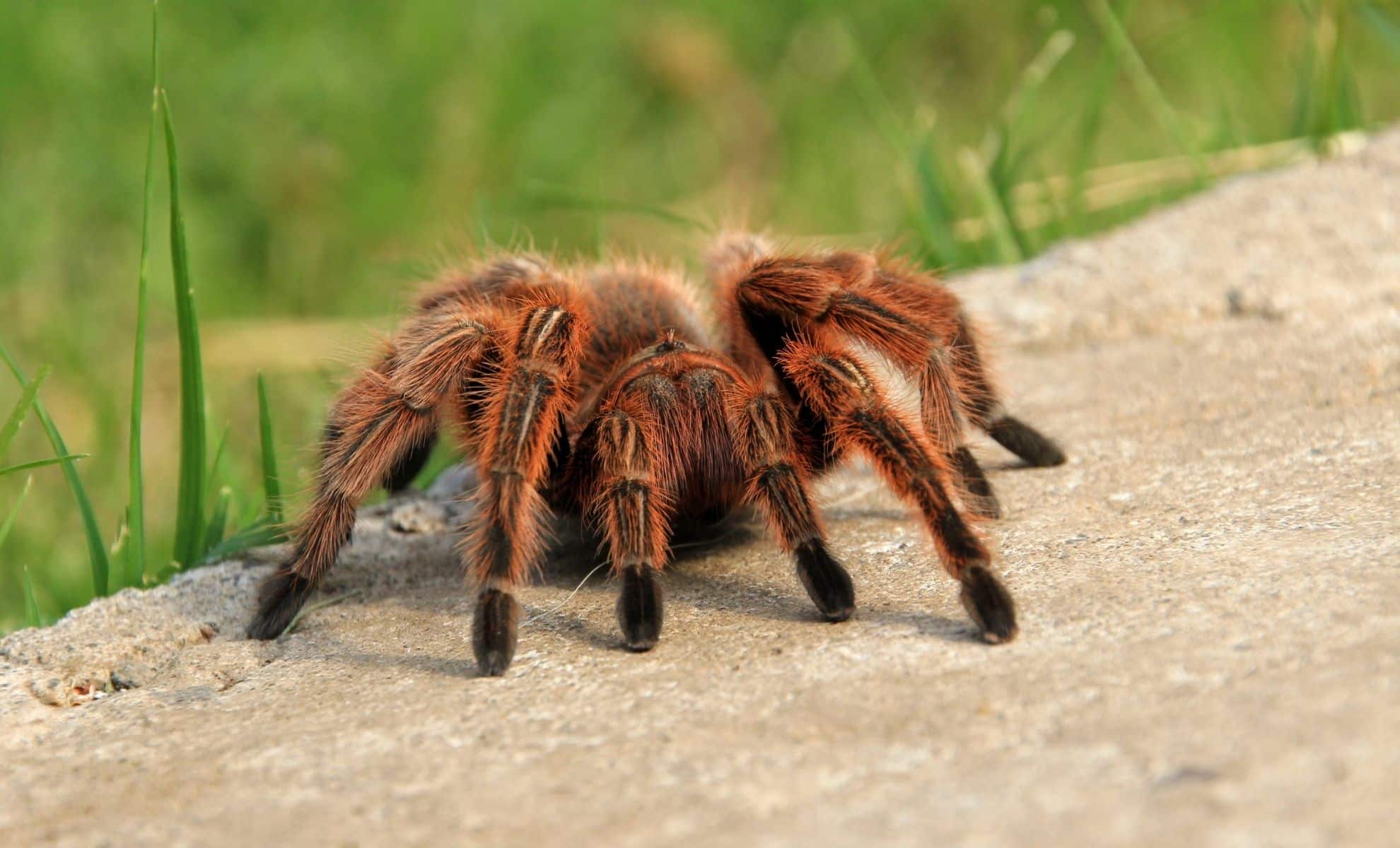
Beneath its soft sheen lies a nocturnal hunter, armed with venom and defensive bristles. Quiet in nature but striking in form, the Chilean rose tarantula (Grammostola rosea) straddles the line between exotic beauty and biological intrigue—one that both fascinates scientists and captivates collectors.
Native to the dry habitats of Chile, Argentina, and Bolivia, the rose hair tarantula thrives in desert scrublands, where it makes its home in burrows—either self-dug or abandoned by other creatures. With its leg span reaching 12–13 centimeters, it’s not a small spider, but its calm nature and long lifespan—females living up to 20 years—have helped secure its place in the exotic pet market. Its rose-tinted upper body hair and slow, shy behavior make it particularly appealing to enthusiasts seeking a manageable and low-maintenance arachnid companion.
The spider’s popularity, however, isn’t purely aesthetic. It’s rooted in how this species behaves in captivity, how it feeds, and how it reproduces. All these traits contribute to its reputation and the ongoing interest it draws among biologists and pet owners alike.
Striking Appearance Meets Stealthy Behavior
The rose hair tarantula earns its name from the subtle pink coloration that covers the top of its body, contrasting with a darker brown or black coat elsewhere. Though visually appealing, its charm masks a well-adapted predator. It is largely nocturnal, preferring to stay hidden during the day and emerging at night to hunt.

According to IFLScience, this species is slow-moving and rarely bites, preferring instead to rely on urticating bristles—tiny, irritating hairs it can throw at potential predators. This defensive strategy allows it to avoid confrontation when possible.
While the spider does possess venom, it is only used for subduing prey and poses no real danger to humans. It feeds on a variety of invertebrates and has been observed consuming mice, lizards, and frogs, demonstrating its capacity as a capable hunter despite its calm outward demeanor.
Short-Lived Males and Long-Lived Mothers
Reproduction in rose hair tarantulas reveals a significant difference in lifespan between the sexes. Females can live up to two decades, while males often die just a few months after mating. Mating involves the male developing a special structure beneath his front legs that holds the female’s fangs still during the process.
After mating, the female spins a web and lays 50 to 200 eggs, wrapping them in a protective egg sac. She guards the sac vigilantly until the spiderlings hatch. During their first year, these young spiders go through five or six molts, shedding their exoskeleton as they grow. This early phase of rapid development is key to their survival and eventual maturity.
From Wild Desert Burrows to Suburban Terrariums
What was once a desert-dwelling arachnid is now a mainstay in the exotic pet trade. Rose hair tarantulas are frequently chosen as starter pets due to their tolerance for captive conditions and their low-maintenance lifestyle. They can go weeks without eating, and their slow, deliberate movements mean they rarely pose a handling risk when cared for properly.
Their transition from wild predator to house pet raises broader questions about wildlife trade and pet ethics, but in terms of behavior and temperament, few tarantulas match their compatibility with captivity. Their calm disposition and resilience have given them an enduring appeal—and a reputation as one of the most beginner-friendly tarantulas available today.