
For fans of iconic movie stars and filmmakers (both dead and alive) who enjoy looking behind the curtain of how movies are made, 2025 was a year replete with great gems. We’ve been spoiled with documentaries that disclosed well-known and unfamiliar moments, personal internal turmoil, and delightful anecdotes of actors (and a director or two) we’ve followed and adored for years. Some of these came as long-overdue retrospectives about late legends who defined their respective eras, while others were created with the in-depth involvement of their subjects themselves — looking back and analyzing their successes, failures, setbacks, lucky breaks, and the personas fame molded them into — from several decades of distance.
Making such concise portraits and biographies of larger-than-life cinema stars is a fine line to walk — and an arduous one at that. Each viewer’s mileage may vary on whether the filmmakers who took on these enormous projects eventually succeeded in delivering a complete and comprehensive picture or not. One thing we can promise, however: every documentary in this list has something to offer for both hardcore cinephiles hungry for trivia and more casual viewers interested in learning something new about the person they watched in films and TV shows for years, if not decades. These five docs are truly treats for cinema enthusiasts.
aka Charlie Sheen
A documentary about Charlie Sheen was inevitable. His four-decade-plus time in the limelight, as the child of renowned actors Martin and Janet Sheen, was the kind of spectacle (both captivating and scandalous) that begged to be chronicled and observed from multiple angles. It’s something of a gift that we actually get him — healthy, sober, and sound of mind — in Andrew Renzi’s two-part series to reflect back on the most turbulent and haywire moments of his life in both personal and professional matters. Thankfully, he proves self-aware enough not to look past his bountiful mistakes on and off-screen while reminiscing on a career lauded with singular successes and trademark junctures that made him a bona fide actor and celebrity.
Clocking in around three hours, “aka Charlie Sheen” dissects the actor’s childhood, the roles that torpedoed him to worldwide stardom, the unbelievable shenanigans he pulled, and the trajectory of his rapid fall into severe drug addiction, malicious behavior, overwhelming shame, and eventually, the slow and strenuous road to recovery. Apart from noting early on that there are things he’d only share with a therapist, Sheen talks candidly about family, the bonds he ruptured, and the relationships he managed to repair and build back up again.
To help form a comprehensive and wider view on him, we also hear brutally honest comments from co-stars like Sean Penn, Jon Cryer, showrunner Chuck Lorre, and ex-wives Denise Richards and Brooke Mueller, as well as friends and other close associates (with the exception of his father and actor brother, Emilio Estevez, who declined to participate in the series). Regardless of your opinion about Sheen, this documentary will undoubtedly help you understand him as a human being — one with flaws, an insatiable ego, and a willingness to heal.
John Candy: I Like Me
Out of all the documentaries about late movie stars who represented their respective eras, John Candy’s was long overdue. There was hardly an actor more memorable, adored, and popular, and many of Candy’s best movies are among the finest comedies of the ’80s and ’90s. In “John Candy: I Like Me,” Tom Hanks’ actor-director son, Colin, succeeds in painting a portrait of this icon in a way that everyone seems to remember him: an endearing, kind, and generous soul.
Through sweet, heartbreaking testimony — from family members to peers to friends like Bill Murray, Steve Martin, and Eugene Levy — Hanks delivers an intimate portrayal that reaffirms our belief that this Canadian actor was indeed the person we always thought him to be: wonderfully talented, hard-working, and unselfish to a fault. His biggest flaw, if we can call it that, was that he was a yes-man most of his life, often spreading himself too thin to please others the best he could. At times, that crippled him with excruciating anxiety and perpetual stress that he tried to alleviate by drinking, smoking, and eating.
Hanks doesn’t shy away from exposing that side of Candy, but paired with his omnipresent benevolence and warm nature, the final result is a doc about a lovable man’s vulnerability, stardom, and tenderness. “John Candy: I Like Me” is nostalgic in a way that will gently crack your heart open. It’s beautiful, poignant, and easily one of the best films of the year.
Being Eddie
Of all the entries on this list, “Being Eddie” feels the most like a hagiography at times. Not that Eddie Murphy is undeserving of that respect, but director Angus Wall — and all the famous people who gladly volunteered to say a few good words about his subject — seems uninterested or was not allowed to go more than surface-deep with his subject. Murphy nearly comes off as a saint, but given the strict, ascetic lifestyle he led on and off screen, he might be the closest that Hollywood has to one. Barely drinking, staying away from drugs, and never really putting himself in positions that could court any controversy, Murphy looks fit and stunning at 64, with a gorgeous wife nearly 20 years younger at his side.
What “Being Eddie” does expose, at times inadvertently, is that he’s a bit of a weirdo — eccentric, silly, and full of ideas. That dovetails with one of the film’s major themes, which aims to champion Murphy as a versatile artist of immeasurable talent and not just an actor, comedian, or musician. He’s all of those things — he got the films, the comedy specials, and the songs to prove it — but also just a human being with an itch to create when inspiration strikes him.
We also get a summarized survey of Murphy’s biggest and most notable movies (“Beverly Hills Cop,” “Coming to America,” etc.), as well as the misfires, stand-up and music career, and a brief, if limited, look into his private life. Perhaps the latter is where the doc lacks the most (failing to explore his broken marriage and abundance of children from various women), but it still provides a somewhat compelling look at the star as a pop culture icon.
Mr. Scorsese
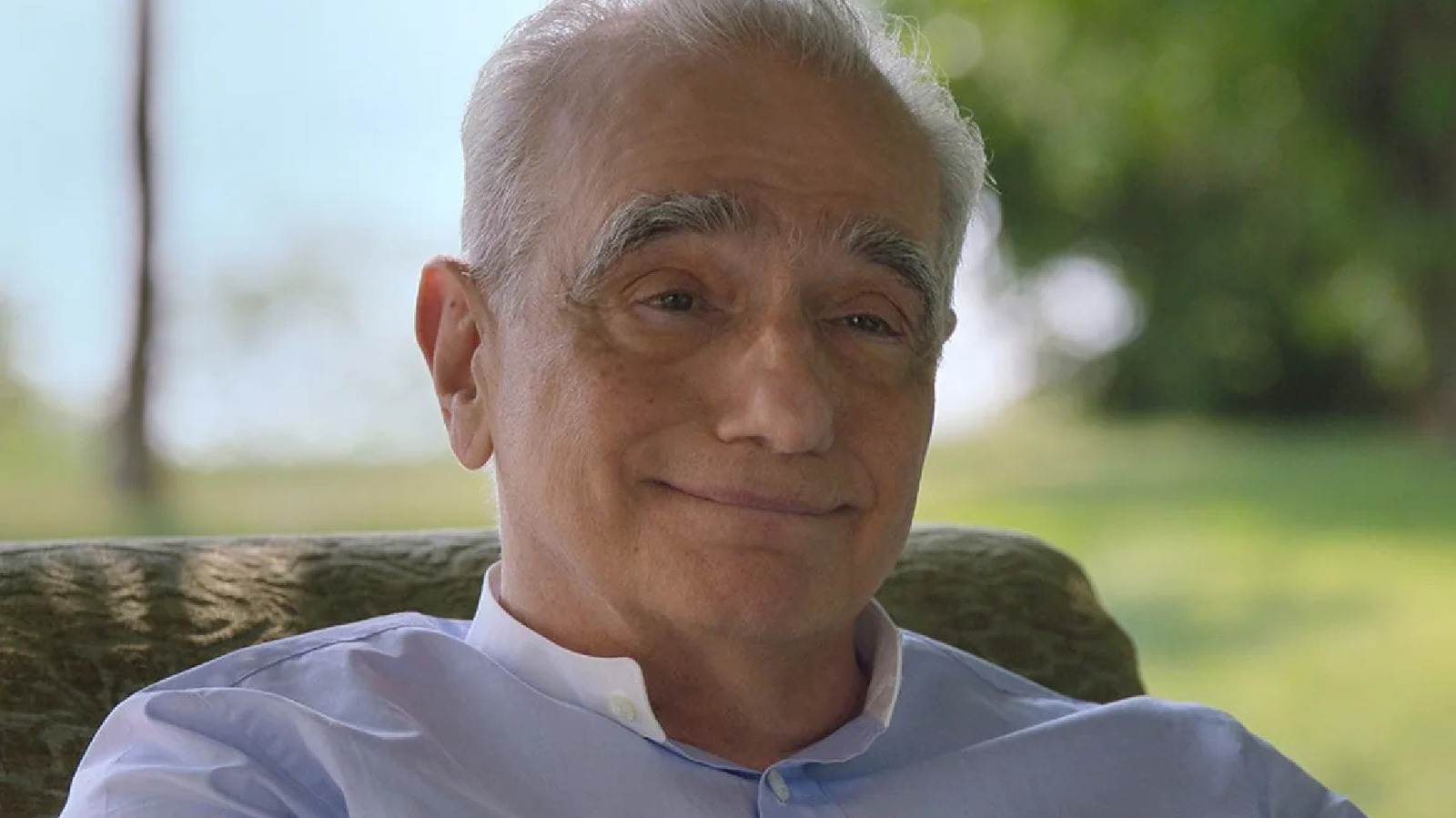
Apple TV’s five-episode miniseries about director Martin Scorsese may be the documentary of the year that cinephiles didn’t know they needed. “Mr. Scorsese” is a welcome surprise, primarily due to its extensive scope and deep dive into a filmmaking career that’s already distinguished without being finished. That’s perhaps because Scorsese has been quite generous with giving us dozens of interviews, opinions, and personal anecdotes over the years, alongside his many classic films.
However, or because of that, director-interviewer Rebecca Miller tightly focuses on periods and films in the man’s life that haven’t necessarily been explored with such depth and thoroughness yet. We learn about Scorsese’s poor and sickly childhood, his most significant influences, and the struggles he had with substance abuse, fame, and the relationships he often sacrificed for becoming the storyteller he is today.
Every episode delves into a distinct era and the films that defined those for him — with comments from frequent collaborators like Robert De Niro, Leonardo DiCaprio, and editor Thelma Schoonmaker. Miller knows you can’t characterize Scorsese and his work without these people, and every one of them pays due credit to the genius that made him a master at his craft. What might surprise long-time fans is that the documentary often puts more emphasis on his less-popular features — some of them box office bombs that everyone still needs to watch at least once — as opposed to those that propelled him to his legendary status. But that’s precisely why it’s a painstaking, insightful, and sublime miniseries about a man who became obsessed with movies and never lost that passion — even at the age of 83. A must-watch for every aspiring filmmaker and cinema addict.
My Mom Jayne
Mariska Hargitay’s feature directorial debut is as much a documentary about her late mother, Jayne Mansfield, as it is a tender exploration of her family roots and the secrets they hold. Losing her mom at the age of three (Mansfield died in a traffic collision at 34 years old) was traumatic and painful enough for the “Law and Order: Special Victims Unit” star to not dig into her past until she was in her 60s (even though she chose to follow in her footsteps as an actor). Watching this affectingly soulful film, viewers will immediately understand her reasons.
Mansfield was first and foremost known as a model, Playmate, and sex symbol in the 1950s and ’60s, from which she later transitioned into a short-lived acting career with mixed results. As we learn from the doc, she could never really leave behind the rather demeaning nickname — “Hollywood’s smartest dumb blonde” — that show business gave her at the time. In this intimate remembrance of her — via old private footage, public interviews, and specific scenes from Mansfield’s movies — Hargitay and her extensive family revive a sincere and accurate image of her that’s both gripping and heart-wrenching.
Although Mansfield is the subject here — and we do learn about her rise to fame, marital troubles, and tragically early demise — the most touching moments come from the extremely personal encounters where Hargitay unflinchingly interviews her own brothers, sisters, and other family members about the Jayne Mansfield they knew and loved. Through the recollection and memory of her, the Mansfields not only bond but also strengthen a connection between each other that grows deeper and stronger than it ever was before. “My Mom Jayne” is a riveting, if emotional, affair that delivers in ways you least expect.